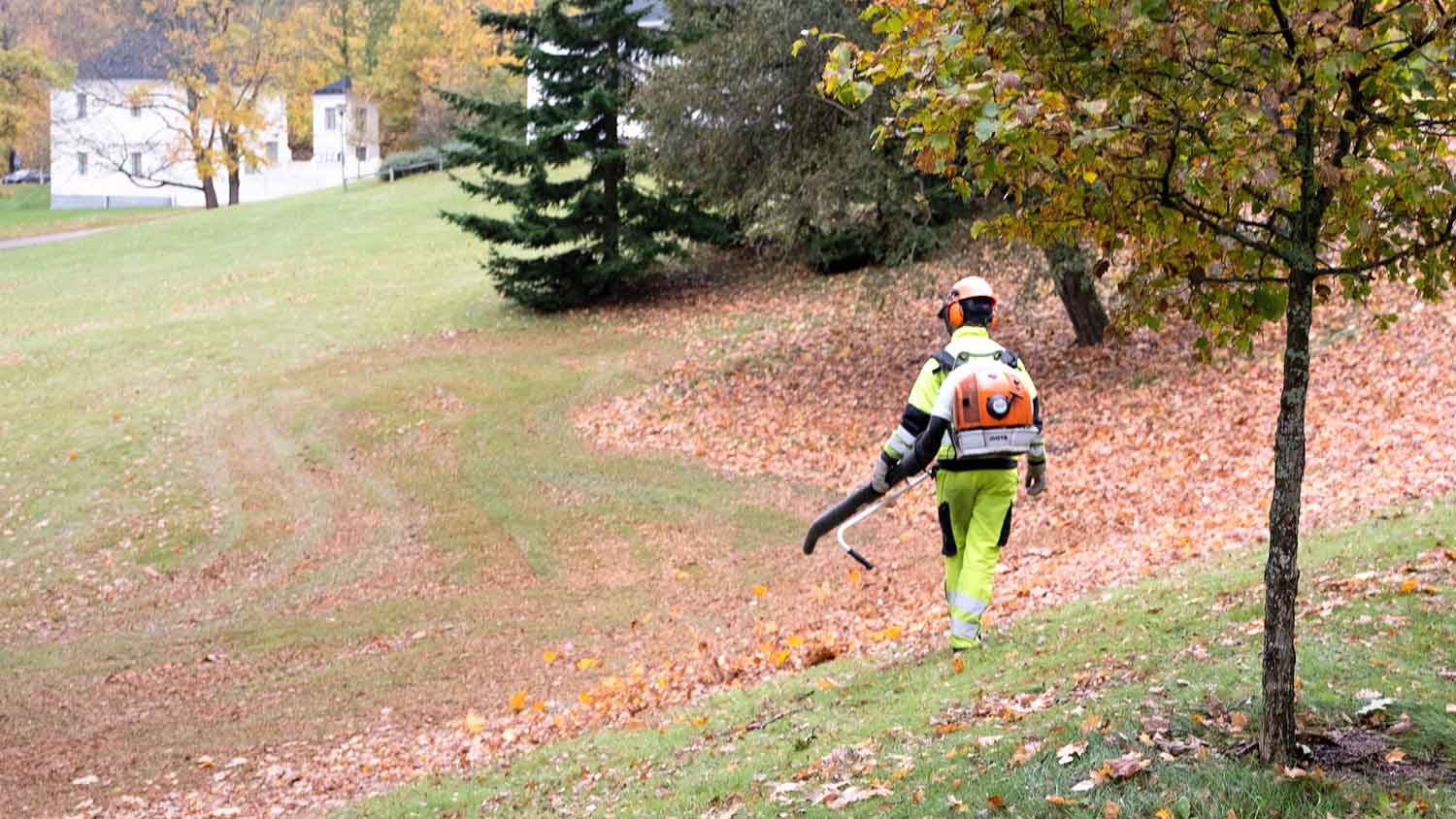
Top-rated leaf removal pros.

Best leaf removal pros near Palo, IA

Enter your zip and get matched with up to 5 pros

Need a pro for your leaf removal project in Palo, IA?

Select your specific project to find the pro for you.

TRUSTED BY PALO, IA HOMEOWNERS

  • Average homeowner rating star icon4.5
    Average homeowner rating
  • Verified reviews icon36
    Verified leaf removal services reviews

Top-Rated Leaf removal pros in Palo - Updated Nov 2026

Christine Sells
New to Angi
Lawn & Yard Waste Clean UpLawn Care - Maintain and Mow a LawnWaste, Junk, Building Materials and Debris - Remove and Haul

Serving Palo, IA and surrounding areas

Approved

Working outside mowing lawns cutting down trees for 20+ years.. My speciality is hand wedding and quickly cleaning up over growths! I have great people by myside who work with me and who are licensed and affordable, for airating, seeing, windows, roofs, fences, snow removal and more. Team work makes dreams work!

...
Showing 1-10 of 123
Leaf Removal FAQs, answered by experts

Some companies offer hazardous waste removal, but additional fees and special handling procedures may be required.

According to the Environmental Protection Agency (EPA), hazardous waste is generally classified into four main categories:

1. Characteristic Wastes: These exhibit at least one of four hazardous traits: ignitability (flammable, like gasoline), corrosivity (can rust or decompose materials, like car batteries), reactivity (unstable and can explode, like aerosol cans), or toxicity (harmful when ingested, like lead-based paint).

2. Listed Wastes: These are specific wastes from manufacturing and industrial processes that the EPA has officially designated as hazardous. They include byproducts from processes that use solvents, pesticides, and other chemicals.

3. Universal Wastes: These are commonly generated hazardous items that are subject to streamlined regulations. Examples include batteries, pesticides, mercury-containing equipment (e.g., bulbs), and some lamps.

4. Mixed Wastes: This category includes waste that contains both hazardous and radioactive components, making it subject to regulation by both the EPA and the Nuclear Regulatory Commission.
Lead exposure poses significant health risks, including neurological, developmental, and behavioral disorders, especially critical in young children and fetuses.

Unfortunately, lead dust does not look different from any other type of dust. You cannot detect it with the naked eye. To determine if you have lead dust in your home, you will need to hire a local company to take a sample from the paint and test it for you in a lab.

The EPA enforces hazardous waste laws and ensures people dispose of their hazardous waste responsibly. Depending on where you live, your state’s hazardous waste regulatory agency may also enforce these laws. Individually, it’s up to each household to properly dispose of their hazardous waste.

The Palo, IA homeowners’ guide to leaf removal services

From average costs to expert advice, get all the answers you need to get your job done.