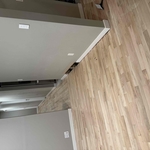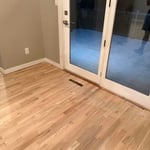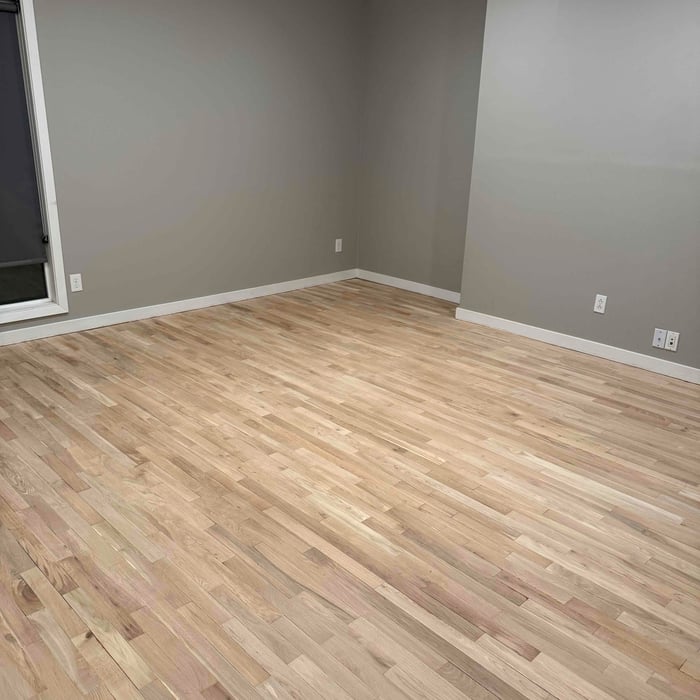







Top-rated flooring contractors.

Best flooring contractors near State Center, IA

Enter your zip and get matched with up to 5 pros

Need a pro for your flooring project in State Center, IA?
Select your specific project to find the pro for you.

Top-Rated Flooring contractors in State Center - Updated Nov 2026

...
Showing 1-10 of 77
Flooring Installation FAQs, answered by experts

Because concrete is porous, installing flooring directly onto the surface is not a good idea. Any moisture within the concrete due to atmospheric conditions or seasonal humidity can seep into your flooring, causing warping or damage. In most cases, you’ll need to install at least a moisture barrier between the concrete and the flooring you choose.

The best flooring for radiant heat systems is tile, including porcelain, ceramic, and natural stone. These materials are excellent heat conductors, retain warmth well, and are waterproof, which prevents mold or rot in case of leaks from a hydronic system. Unlike wood, they do not pose a fire safety risk if the heating system overheats. Ceramic tile is a particularly popular choice as it is inexpensive, easy to install, and available in many styles, making it ideal for spaces like bathrooms. Other flooring types that work well with radiant heat include laminate, engineered wood, and vinyl. If you are installing radiant heating over a concrete slab, especially in a basement, it is advisable to install a vapor barrier first to prevent issues with moisture and condensation.

Yes, flooring should go under the fridge and your other large appliances. Installing it underneath creates a seamless appearance and makes it easier to move appliances for cleaning or replacement. It is also essential for protecting your subfloor. A kitchen contractor will help you find suitable flooring that is durable enough to handle the weight of your fridge without denting or cracking.

There are a few different types of finishes to choose from for the final step of the project. 

Water-based polyurethane sealants emit fewer odors and fumes but dry quickly, which can pose a challenge when trying to get a smooth coat. Oil-based polyurethane sealants let out more odors and fumes into the air (it’s especially important to wear a respirator if you choose this type), but they take longer to dry, which can be more forgiving during the finishing step. 

Some may prefer wood oil to polyurethane because rather than creating a layer, it becomes part of the wood. Wood oil takes longer to dry, and is less resistant to wear and tear; however, it creates a natural-looking result by enhancing the grain of the wood. 

It’s possible to reuse household materials to cover floors, but they won’t provide the same level of protection as dedicated materials. They’re also more difficult to tape down and more prone to slipping and bunching up—and any dirt or debris on them could scratch or stain your floors. That being said, extra materials like these can be useful for protecting the sides of furniture and placing in areas that could use added protection.

The State Center, IA homeowners’ guide to flooring services

From average costs to expert advice, get all the answers you need to get your job done.