





Top-rated septic tank pros.

Get matched with top septic tank pros in Sheldon, IA

Enter your zip and get matched with up to 5 pros

Need a pro for your septic tank service project in Sheldon, IA?

Select your specific project to find the pro for you.

Find Septic tank pros in Sheldon

Avatar for American Home Shield – Home Warranty
American Home Shield – Home Warranty
3.5(
5,688
)
Septic System - Install or ReplaceSeptic System - Install or Replace - For BusinessSeptic System - Repair+3 more

Serving Sheldon, IA and surrounding areas

In business since 1971

Credit card accepted

"The technician emptied the freezer, which was in the basement, to work on the part that needed repair. Then he neglected to put anything back into the freezer, including a turkey I had bought for Christmas and a rack of ribs. Two days after he left, I went out of town for two weeks. The turkey actually exploded and spewed its liquid all over everything, which had to be discarded. I let AHS know and they couldn't even bother to call me or follow up on this. I'm considering not renewing my contract with them because of the quality (or lack thereof) of many of the providers they send."

Additional Photos
Additional Photos
Additional Photos
Additional Photos
Additional Photos

+2

Recommended by65%of homeowners
LS Construction
New to Angi
Septic System - Install or Replace

Serving Sheldon, IA and surrounding areas

In business since 2009

Free estimates

Offers commercial services

LS CONSTRUCTION is committed to excellence in every aspect of our business. We uphold a standard of integrity bound by fairness, honesty, and personal responsibility. Our distinction is the quality of service we bring to our customers. Accurate knowledge of our trade combined with ability is what makes us true professionals. Above all, we are watchful of our customers' interests, and make their concerns the basis of our business.

Septic Tanks questions, answered by experts

Yes, it is generally okay to oversize a well pressure tank, and it will not harm your well system. The primary advantage is that a larger tank reduces frequent pump cycling, leading to longer, slower cycles with fewer startups. This can result in less wear and tear, potentially increasing the lifespan of the pump and conserving energy. However, there are drawbacks to consider. Oversized tanks have a higher upfront cost and require more physical space. While not necessarily a bad thing, opting for a tank that is appropriately sized for your well is often the most efficient choice in terms of cost and space.

Your drain field or leach field should be 1 to 3 feet under the ground. It will be a little shallower than the septic tank, although it can be the same depth or slightly deeper. The proper depth of the septic tank is up to 4 feet. It’s possible that your local regulatory agency requires a certain depth for your drain field.

Your septic tank naturally contains the beneficial bacteria it needs to function, so you typically don't need to add more. However, if you wish to replenish the bacteria, you can use natural methods. For example, you can add three overripe tomatoes to your garbage disposal or flush 1/4 ounce of active yeast down the toilet every three months. While store-bought septic enzymes and chemicals are available, many experts consider them unnecessary and potentially harmful. The most effective way to maintain a healthy bacteria population is to avoid using chemical drain cleaners, which can kill the good bacteria in your system.

There is no standard depth for burying a septic tank; they are typically buried anywhere from 4 inches to 4 feet underground. The final depth depends on several factors, including the depth of your main sewer line, the height of the bedrock, soil type, local regulations, and the property's landscape. If you plan to grow grass or plants over the tank, a depth of at least 4 to 6 inches is recommended. Deeper tanks can be more difficult to locate, but a septic professional can help find it for you.

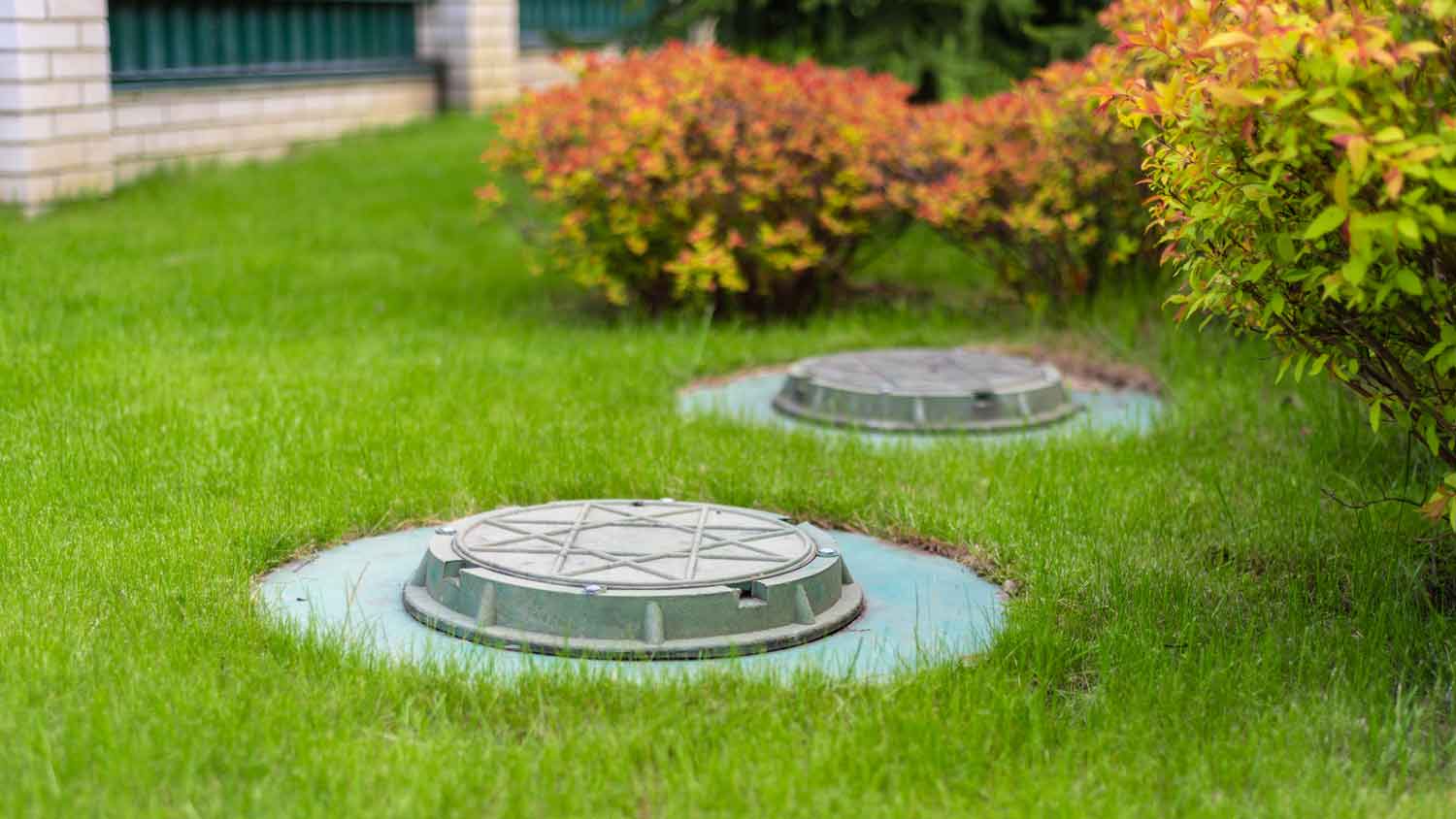
You can check your own septic tank, but take precautions. Locate the access lid, usually buried a few inches underground, and remove it carefully. Look for the sludge and scum levels, and if they’re high, that means pumping may be necessary. Check for odors, slow drains, or pooling water around the drain field, which could indicate issues. Never enter the tank, as toxic gases can be fatal. All of that being said, a professional inspection is safer and more thorough.

The Sheldon, IA homeowners’ guide to septic tank services

From average costs to expert advice, get all the answers you need to get your job done.