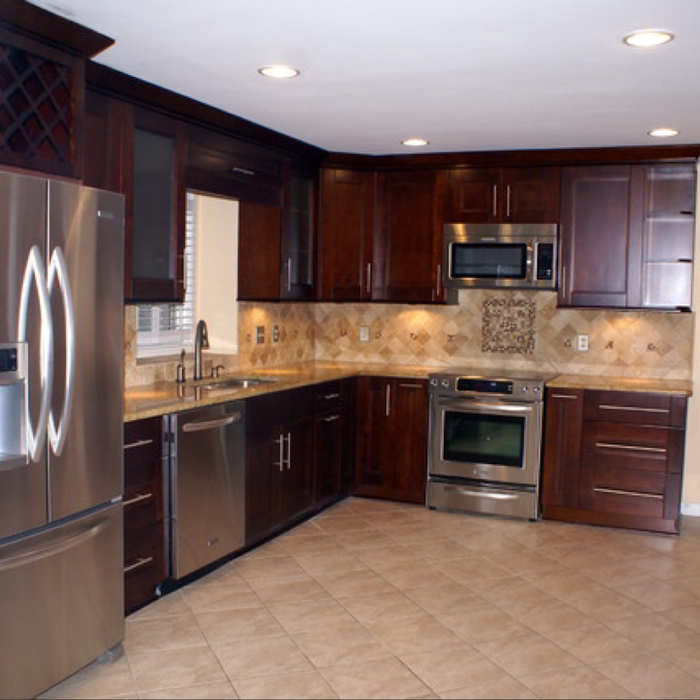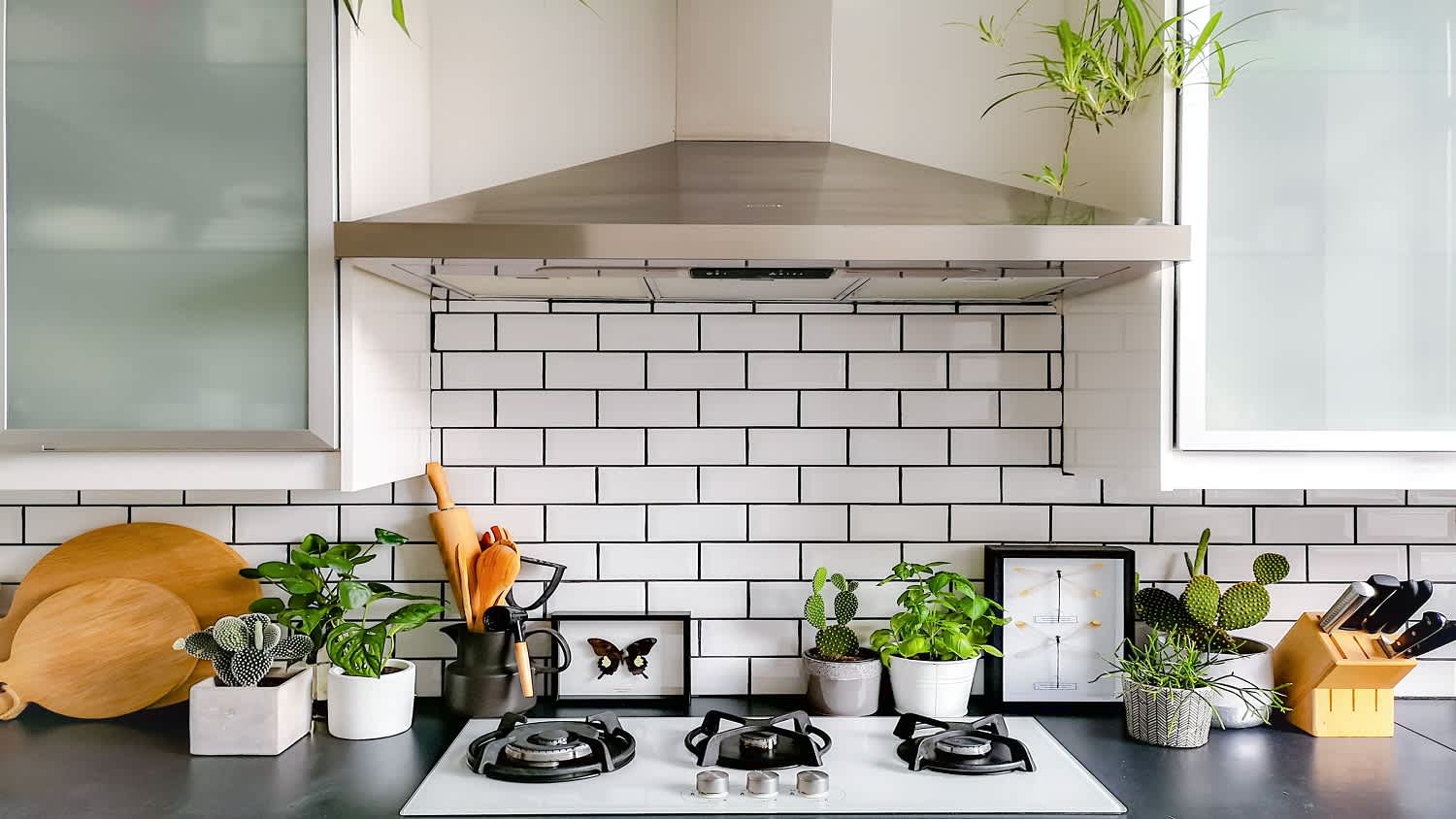




Top-rated backsplash installation pros.

Best backsplash installation pros near Pleasantville, IA

Enter your zip and get matched with up to 5 pros

Need a pro for your backsplash installation project in Pleasantville, IA?

Select your specific project to find the pro for you.

TRUSTED BY PLEASANTVILLE, IA HOMEOWNERS

  • Average homeowner rating star icon4.7
    Average homeowner rating
  • Verified reviews icon28
    Verified backsplash installation services reviews

Top-Rated Backsplash installation pros in Pleasantville - Updated Nov 2026

Showing 1-10 of 32
Backsplash Installation FAQs, answered by experts

To make a bathroom look bigger, choose light-colored, medium- to large-format tiles. Light colors such as white, cream, or light gray make a space feel more open, while dark colors, busy patterns, and small tiles can make a bathroom feel smaller. It may seem counterintuitive, but small tiles can shrink a room visually due to the increased number of grout lines. Using medium- to large-format tiles creates a more seamless look. For the best effect, pair your light-colored tiles with a matching or similarly colored grout. This minimizes the grid-like pattern and gives the floor and walls a more continuous, uninterrupted appearance, helping the room feel significantly larger.

Yes, you can install a backsplash directly onto drywall, provided the wall is properly prepped, clean, and dry. For best results, especially in kitchen areas, your walls should be made of moisture-resistant drywall, often called green board. If your current wall isn't moisture-resistant, it's recommended to replace it before installing the backsplash. For even greater protection against water damage, you can remove the existing drywall and install a tile backer board or cement board instead. While properly installed standard drywall is typically strong enough to support a backsplash, some local building codes may require water-resistant materials in kitchen areas, so it's a good idea to check.

While you shouldn’t use thinset mortar on its own as a floor leveler, it can work alongside other products to help level floors. For instance, you could start with a self-leveling compound, let that dry, then apply backer board with thinset mortar to help fully even out the floors ahead of laying tile.

Glass tile is one of the easiest materials to maintain. It is both stain and water-resistant, making it easy to clean and incredibly durable. This also makes it resistant to mold and mildew. However, make sure it’s kept clean, otherwise, your grout might start to degrade. Glass is liable to scratch, so ensure you’re using non-abrasive materials and products, like soft sponges and wipes.

No, you don’t technically need a cement backer board for a wall tiling project, but not using it risks disastrous moisture damage. Cement is naturally water-resistant, whereas drywall soaks it in, which can lead to warping or mold growth. Always use a backer board treated with a waterproof membrane for bathrooms and other chronically damp areas to ensure complete tile shower waterproofing.
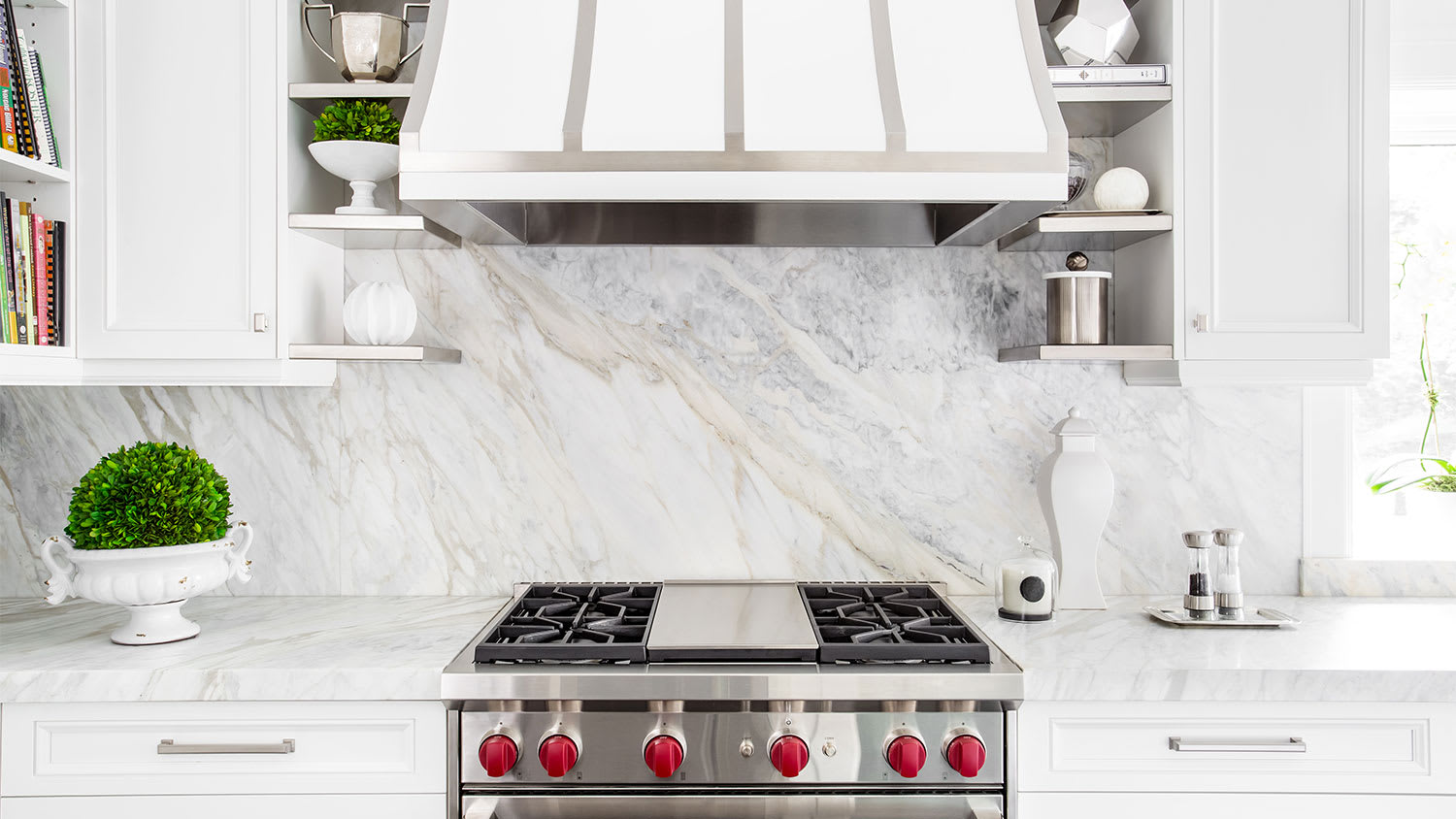

The Pleasantville, IA homeowners’ guide to backsplash installation services

From average costs to expert advice, get all the answers you need to get your job done.