
Top-rated leaf removal pros.

Best leaf removal pros near Oxford, IA

Enter your zip and get matched with up to 5 pros

Need a pro for your leaf removal project in Oxford, IA?

Select your specific project to find the pro for you.

TRUSTED BY OXFORD, IA HOMEOWNERS

  • Average homeowner rating star icon4.7
    Average homeowner rating
  • Verified reviews icon15
    Verified leaf removal services reviews

Top-Rated Leaf removal pros in Oxford - Updated Nov 2026

Avatar for Titan Excavating, LLC
Titan Excavating, LLC
5.0(
25
)
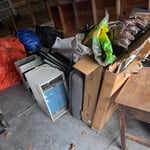
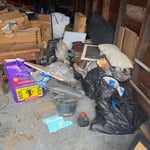
Waste, Junk, Building Materials and Debris - Remove and Haul

Serving Oxford, IA and surrounding areas

Approved

In business since 2020

Free estimates

Emergency services offered

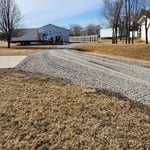
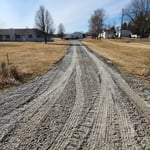
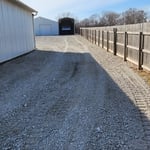
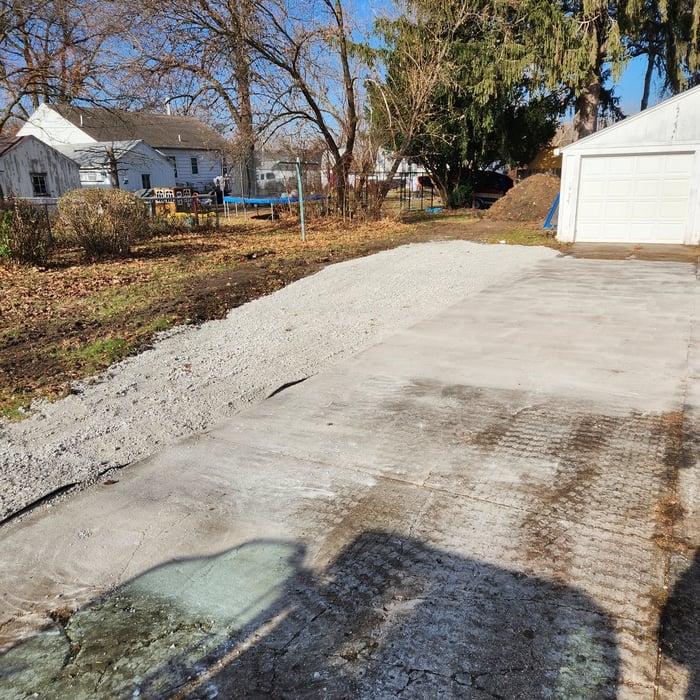
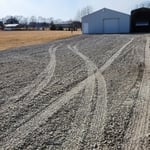
"Drive way was compacted and over grown with grass, weeds, and allowing water into the garage. Had a hill on one side of the house lower against the foundation, getting water in basement. Needed a patio to replace the rotted deck and allow my dog run. Did a great job, hired to rejuvenate and gravel driveway which looks awesome, remove hill along side of house place dirt against house and leave a swell between property to not cause an issue for my neighbor, much dryer in the basement, removed what was left of my rotted deck to put in a patio sloped away from the house. Was too hot for me but they showed up and got everything done quicker than I thought it would be. Very happy I was able to hire them"
Parking
Drive
Drive
Drive
Parking

+25

Response time9 hrs
8 neighbors recently requested a quote
Recommended by80%of homeowners
...
Showing 1-10 of 108
Leaf Removal FAQs, answered by experts

According to the Environmental Protection Agency (EPA), hazardous waste is generally classified into four main categories:

1. Characteristic Wastes: These exhibit at least one of four hazardous traits: ignitability (flammable, like gasoline), corrosivity (can rust or decompose materials, like car batteries), reactivity (unstable and can explode, like aerosol cans), or toxicity (harmful when ingested, like lead-based paint).

2. Listed Wastes: These are specific wastes from manufacturing and industrial processes that the EPA has officially designated as hazardous. They include byproducts from processes that use solvents, pesticides, and other chemicals.

3. Universal Wastes: These are commonly generated hazardous items that are subject to streamlined regulations. Examples include batteries, pesticides, mercury-containing equipment (e.g., bulbs), and some lamps.

4. Mixed Wastes: This category includes waste that contains both hazardous and radioactive components, making it subject to regulation by both the EPA and the Nuclear Regulatory Commission.

Lead toxicity comes from inhaling lead or consuming it. Before the 1980s, when the government banned lead from consumer use, it could be found in paint, plumbing, pipes, ceramics, and even gasoline. Lead paint is toxic for the same reason lead itself is toxic, which is why lead poisoning from paint presents the same as lead poisoning from water or food sources, with a slight increase in respiratory symptoms vs. digestive symptoms. Lead paint is most dangerous when it’s old and peeling, cracking, or otherwise disturbed. This increases the concentration in the air and, therefore, in breathable air. 

Hazardous waste is waste that poses a threat to human or environmental health. This generally refers to waste that is flammable, corrosive, toxic, or reactive. To confirm if the waste you need to remove is considered hazardous waste, contact your local hazardous waste facility.

While the EPA provides guidelines for homeowners to perform DIY lead paint removal, it is a risky process and generally not recommended due to serious health risks and strict regulatory requirements. The process requires precise safety precautions, such as wearing a respirator and protective eyeglasses, creating sealed exits, and using a HEPA vacuum for cleanup. To ensure the job is done safely, effectively, and in compliance with regulations, it is highly recommended to hire a professional lead abatement company. Certified professionals have the necessary training, experience, and specialized equipment (like chemical strippers and HEPA vacuums) to handle and dispose of hazardous materials safely.

No. Standard homeowners insurance does not cover any kind of lead remediation, focusing instead on sudden, unpreventable events like fires and theft. Many insurance companies will specifically exclude lead paint removal, since it tends to be an expensive and unavoidable project. The exception is if the lead surface is damaged during a covered event (like a flood) and homeowners insurance pays its replacement.

The Oxford, IA homeowners’ guide to leaf removal services

From average costs to expert advice, get all the answers you need to get your job done.