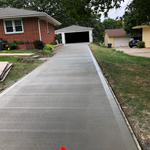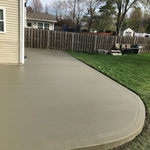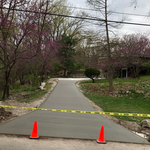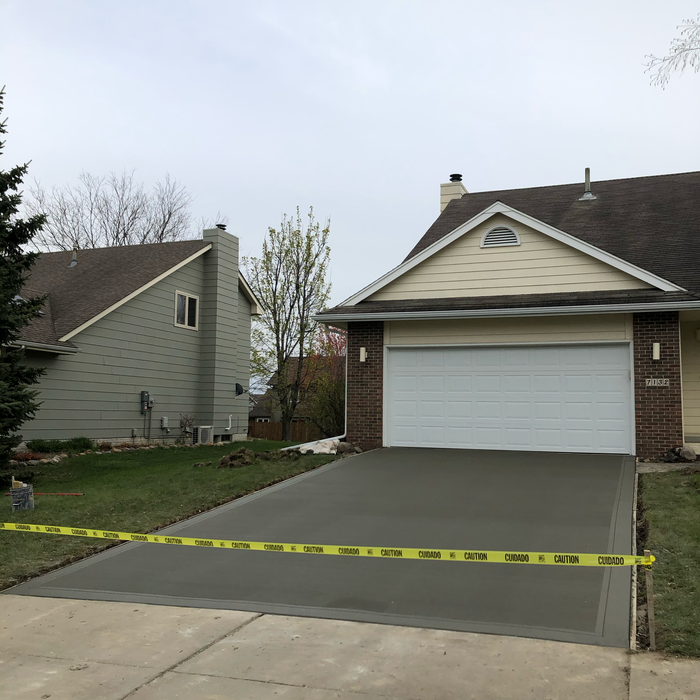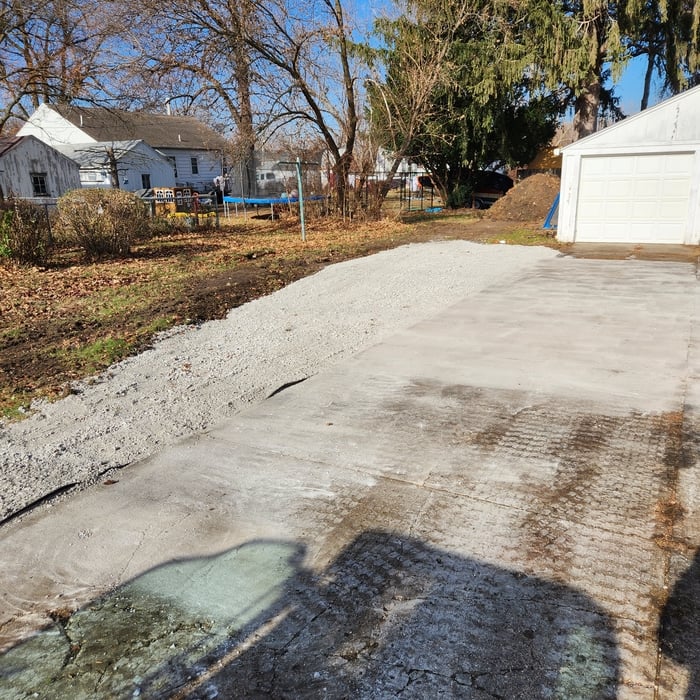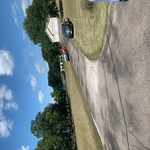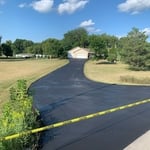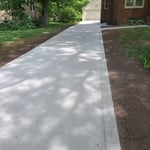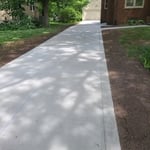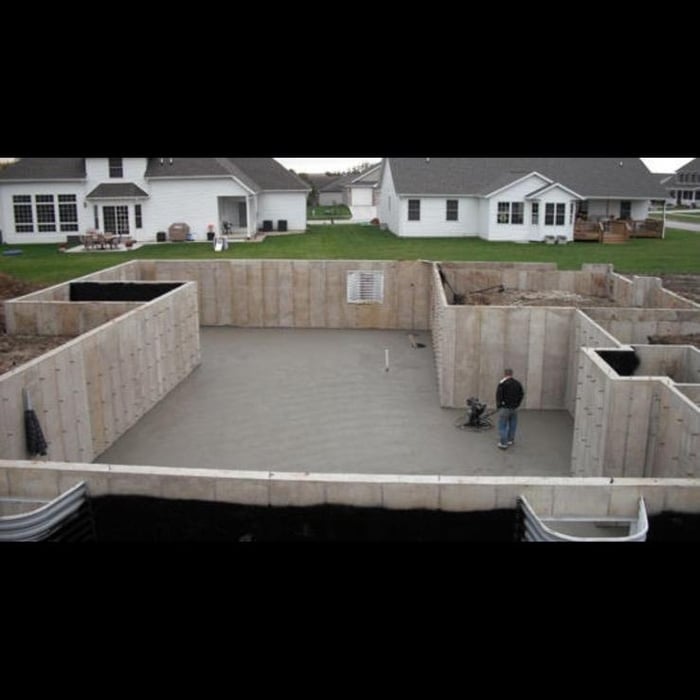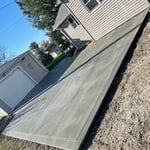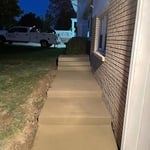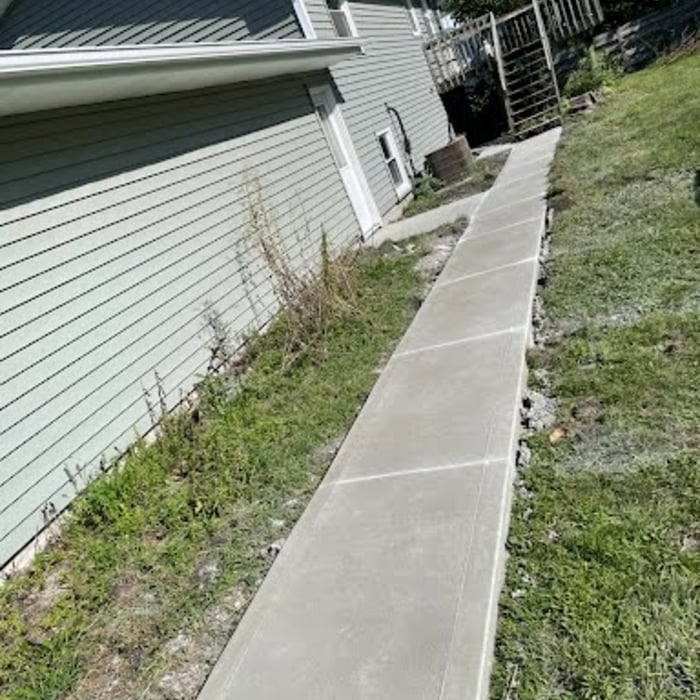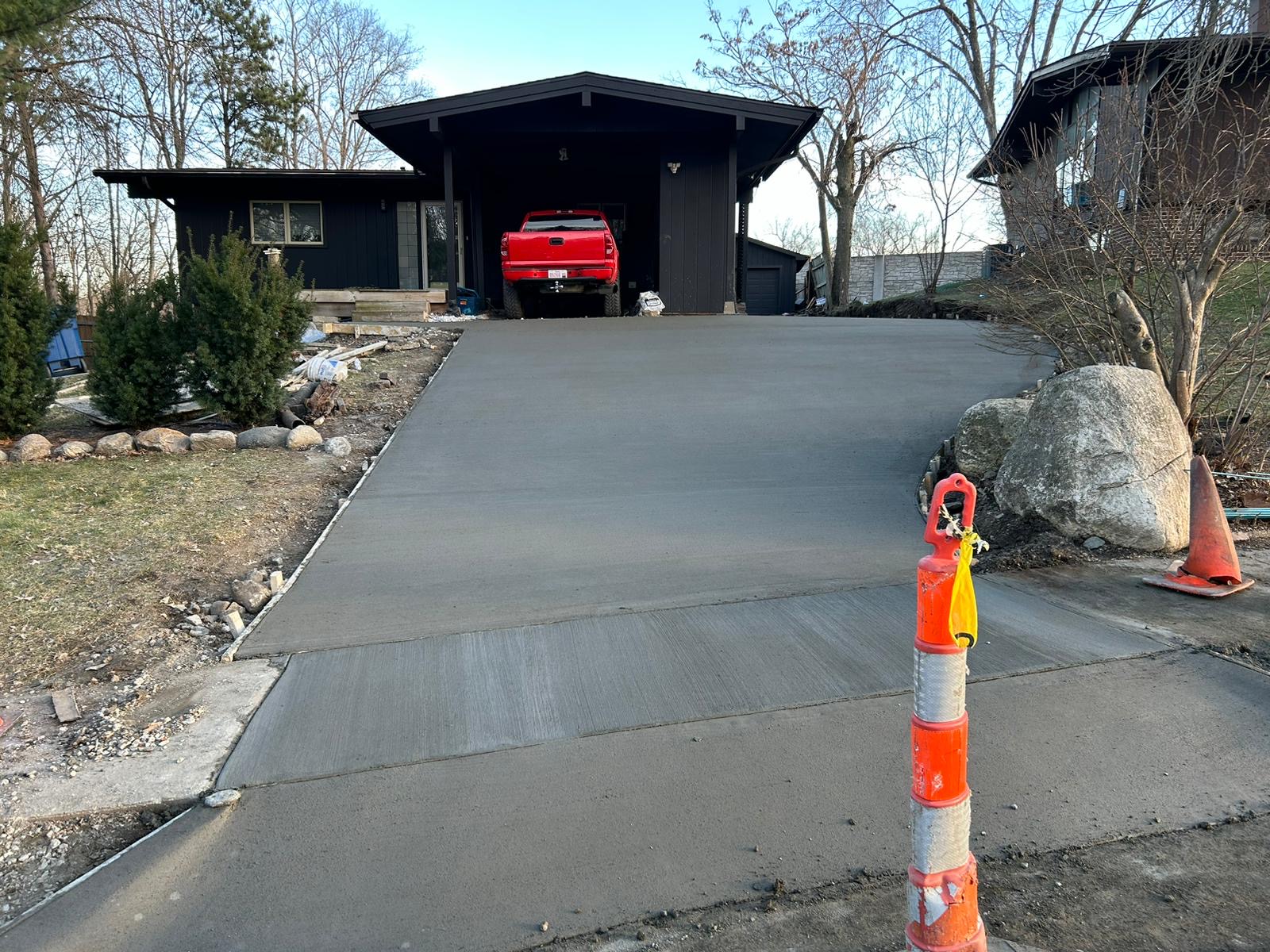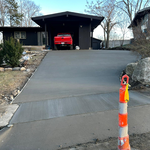


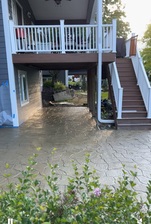



"They are awesome guys to work with. They install a new concrete driveway within a day and I like the results. I highly recommend that you give them a call."
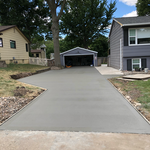
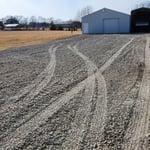
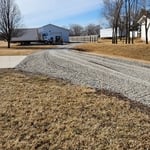
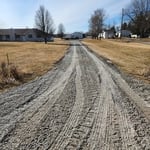
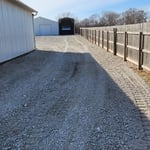
"Widened and leveled my driveway, added new gravel and compacted it and added a drainage grate to my garage. Very professional and knowledgeable. Was able to accommodate my schedule. Finished the work in about 8 hours. Very happy with the result."
"His work was amazing. They were punctual. Professional and the only person that came to do an in person estimate in freezing cold temps. I admired that. The crew cleaned up afterwards. If it was t for the two sections of concrete driveway replaced you couldn?t tell anyone had been here.! Our driveway looks so good, no more water pooling next to the house. I highly recommend this company to do any of your concrete needs!"
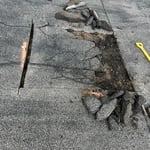
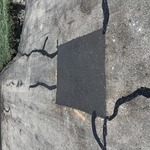
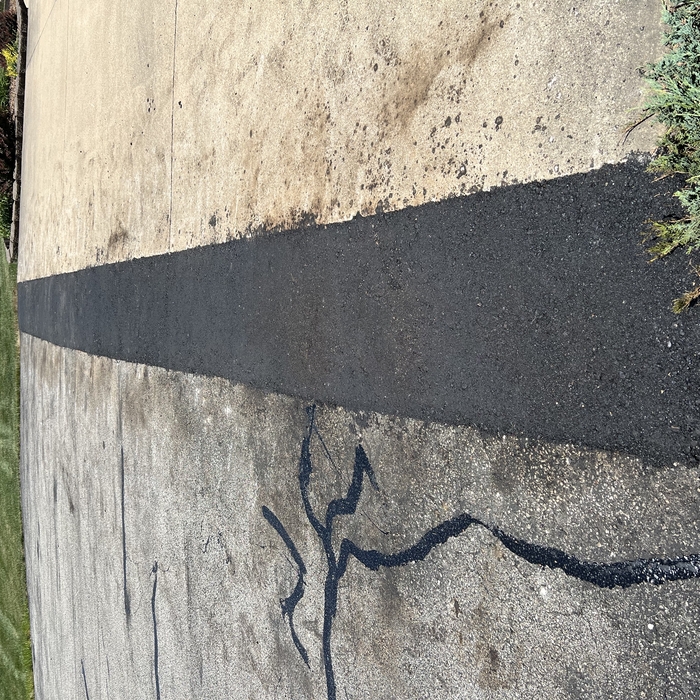
"We were very impressed with the service. They were doing a driveway for a neighbor and I just asked about repairing a small section at the base of our driveway. They said it could be repaired and fixed it that afternoon. It looks great."
Sealing coat asphalt after 6-12 months and then every 2-3 years is recommended.
While some areas may allow for a slope of up to 20%, this is often the maximum slope for driveways, with a few exceptions of up to 25%. Other regions may have a maximum of 12%, 15%, or 18%, so check with your local building department to ensure you’re laying a driveway that is up to code for your location.
Several materials are suitable for steep driveways. Gravel and crushed stone are affordable options that provide good traction. Permeable pavers—such as plastic, rubber, or concrete—filled with gravel or crushed stones are also excellent, as they allow water to drain without causing erosion and perform well in ice and snow. Another option is resin, which can be coated with an anti-slip finish and helps prevent puddles. For added stability, you can install a retaining wall to prevent pavers and gravel from shifting over time.
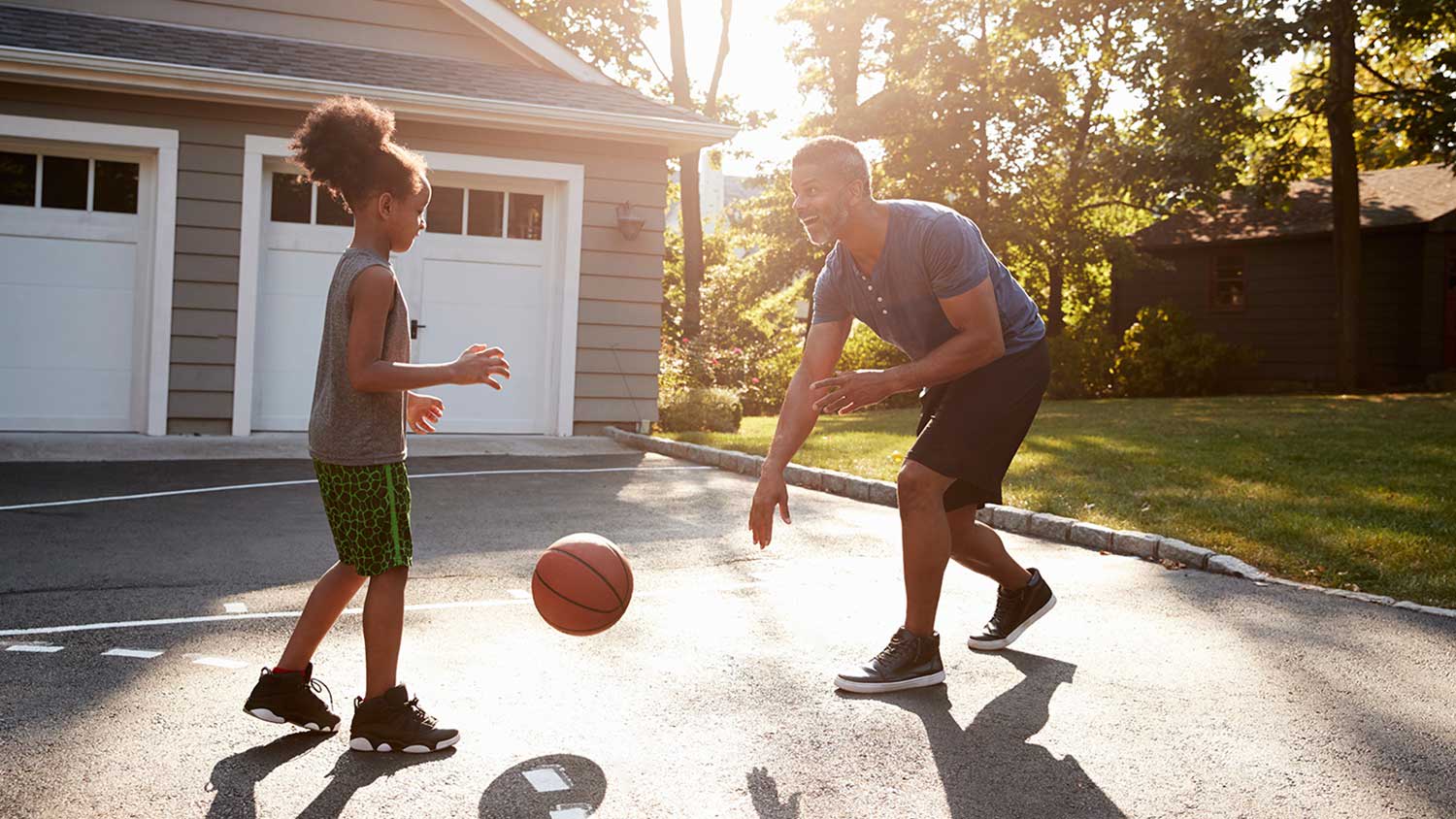
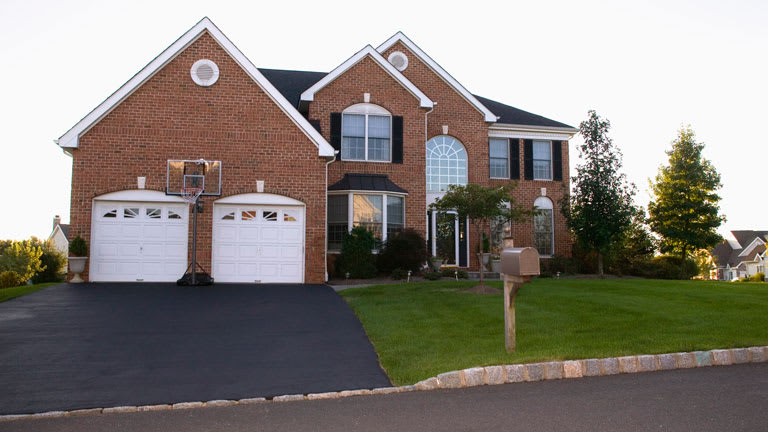
Asphalt, which is stone mixed with tar, is the most common material for outdoor basketball courts because it’s so sturdy and versatile. However, you don't have to use it: another option is polymeric rubber, which has shock pads that can prevent injury. This option is a little more expensive, ranging between $16 and $25 per square foot.
Materials used for indoor basketball courts, such as hardwoods, aren’t really an option outdoors.
Driveway aprons typically range between four and seven inches thick, though your town's building codes will likely have specific requirements. Additionally, you may need to add a layer of permeable aggregate in the excavation below your paved apron to ensure proper stormwater drainage.
The Newton, IA homeowners’ guide to asphalt driveway services
From average costs to expert advice, get all the answers you need to get your job done.
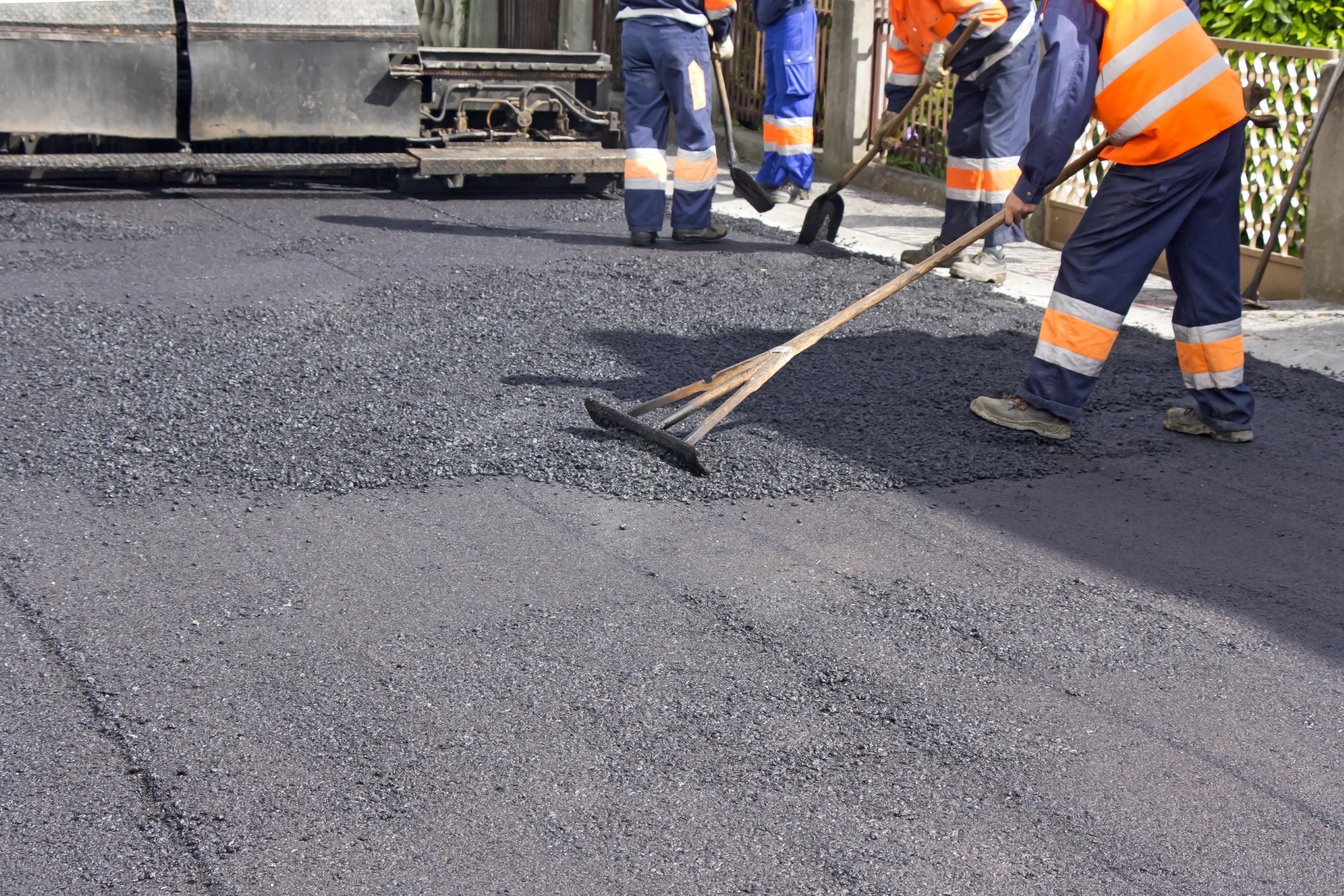
Adding a new asphalt driveway to your home can boost its overall appearance and give homeowners a nice ROI down the line. But how long do asphalt driveways last, and what can you do to maximize their lifespans? Read this guide to find out.