
Top-rated drywall pros.

Get matched with top drywall pros in Newhall, IA

Enter your zip and get matched with up to 5 pros

Need a pro for your drywall service project in Newhall, IA?

Select your specific project to find the pro for you.

Find Drywall pros in Newhall

Avatar for Christopher White
Christopher White
New to Angi
Drywall - Repair

Serving Newhall, IA and surrounding areas

Approved

Small jobs welcome

Offers commercial services

I've been doing handyman, construction, carpentry work for 16 years now. Over that time I've learned how to do countless different jobs and overcome various different snags and setbacks. Efficiency and dedication drive me and I will work as much as needed to meet a deadline.

2 neighbors recently requested a quote
Residential Renovaters
New to Angi
Drywall - RepairDrywall - Repair - For Business

Serving Newhall, IA and surrounding areas

Approved

Emergency services offered

Warranties offered

Small jobs welcome

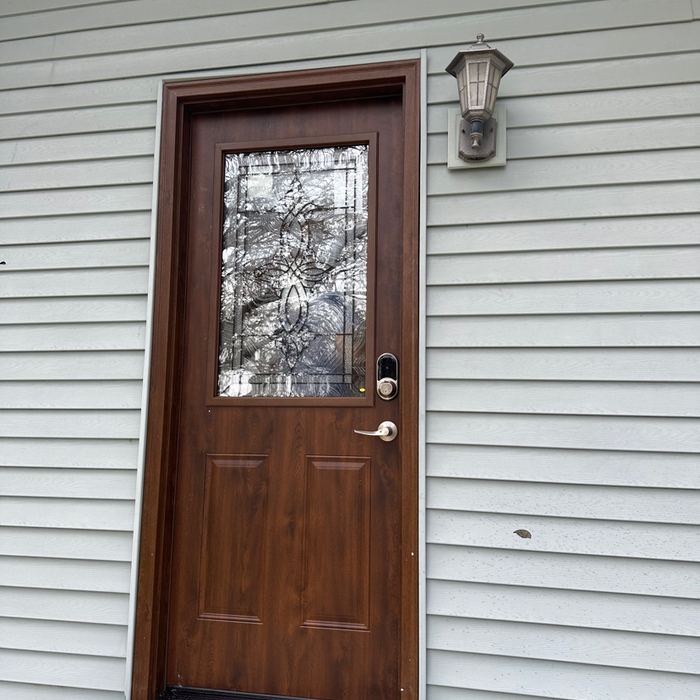
"Residential Renovators is a dedicated team of insured professionals providing high-quality home transformations. We specialize in stunning epoxy flooring, full custom remodels, licensed electrical work, and precision-fit window and door installations. We handle every project with professional care, clear communication, and impeccable results. Choose us for superior skill across multiple trades—from a complete kitchen redesign to a durable garage floor. We provide reliable service and beautiful craftsmanship. Contact Residential Renovators today for a free estimate."

3 neighbors recently requested a quote
Avatar for Lion Painting
Lion Painting
4.7(
23
)
Drywall - InstallDrywall - Repair

Serving Newhall, IA and surrounding areas

In business since 2020

Free estimates

Emergency services offered

"Excellant service! I needed the interior painting done ASAP due to new carpet being installed and moving in the following week. They worked the holiday weekend and got it finished! Highly recommend Lion Painting!"
Exterior
Exterior
Exterior
Exterior
Exterior

+80

Response time1 day
Response rate95%
Recommended by86%of homeowners
...
Showing 1-10 of 90
Drywall questions, answered by experts

You should always hang drywall from the top down. Starting at the top makes it easier to create a straight, tight line between the ceiling and the wall. Any gaps that occur will be at the bottom, where they are easier to manage. You can either cut the bottom piece of drywall to fit the remaining space or cover the gap with baseboard trim. Additionally, starting at the top is physically easier, as you won't have to fit the top sheet into a tight space between the lower sheet and the ceiling, or try to balance the upper sheets on the lower ones while securing them.

While not always necessary, you can glue a drywall ceiling in addition to using screws or nails. Drywall is typically secured to ceiling joists with fasteners, which is often sufficient. However, adding construction adhesive can offer benefits like preventing sagging, bridging gaps, and reducing air leaks for better energy efficiency. It may also be used for specific acoustic or insulation needs. On the other hand, many professionals advise against it because properly placed screws make the drywall structural, glue doesn't add strength, and it makes future repairs or replacements significantly more difficult. Ultimately, it's best to follow local building codes and project-specific requirements to decide if adhesive is right for your ceiling.

The cost to install drywall is between $1.50 and $3 per square foot, while shiplap installation costs between $2 and $7 on average. In most applications, shiplap installations cost more than that of putting in drywall. However, several ways exist to reduce shiplap prices, especially for small locations or accent walls, which can keep the total cost of shiplap competitive with that of drywall.

Costs depend on damage size, labor rates, and whether additional services like painting are required.

Although they have similar applications, spackle and joint compound are not the same. Their primary differences lie in their composition, consistency, and ideal use cases.

Spackle is composed of gypsum and binding agents, making it thicker than joint compound. It dries quickly and is easy to sand, which makes it ideal for small wall repair projects like filling nail holes or patching minor damage.

Joint compound, also known as drywall mud, consists of limestone and gypsum. It is primarily used for large-scale projects, such as taping and finishing the seams on newly installed drywall. It tends to shrink more than spackle and can be more difficult to spread.

While both products can be used to fill small depressions and cracks, spackle cannot replace joint compound for taping and mudding new drywall. Conversely, you can often use joint compound for small patching jobs typically done with spackle.

The Newhall, IA homeowners’ guide to drywall services

From average costs to expert advice, get all the answers you need to get your job done.