



Top-rated tree service pros.

Get matched with top tree service pros in Newhall, IA

Enter your zip and get matched with up to 5 pros

Need a pro for your tree service project in Newhall, IA?

Select your specific project to find the pro for you.

TRUSTED BY NEWHALL, IA HOMEOWNERS

  • Average homeowner rating star icon4.9
    Average homeowner rating
  • Verified reviews icon20
    Verified tree services reviews

Find Tree service pros in Newhall

Avatar for Titan Excavating, LLC
Titan Excavating, LLC
5.0(
23
)
Tree RemovalTree Removal - For BusinessTree Stump - Remove+1 more

Serving Newhall, IA and surrounding areas

Approved

In business since 2020

Free estimates

Emergency services offered

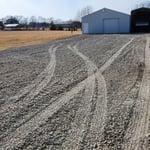
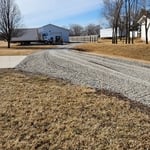
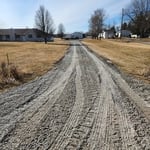
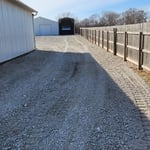
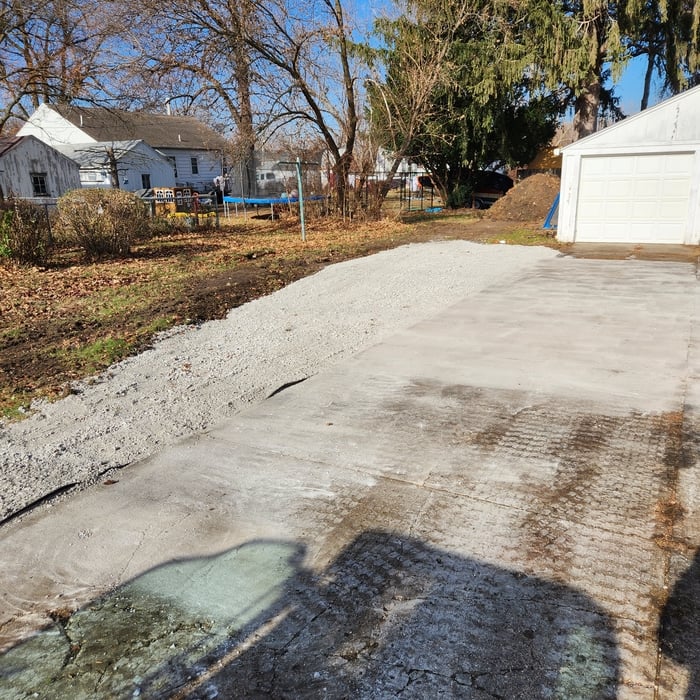
"Will is extremely knowledgeable and able to explain in detail to a layman the design as well as the reasoning behind it. We had a somewhat complex driveway put in on a slope with bad water drainage and the company did an amazing job putting in the drive and re-routing the water. They did it all in two days and went above and beyond."
Parking
Drive
Drive
Drive
Parking

+25

Response time9 hrs
10 neighbors recently requested a quote
Recommended by80%of homeowners
Avatar for Sedenka Excavating and Habitat
Sedenka Excavating and Habitat
4.9(
9
)
Tree RemovalTree Removal - For BusinessTree Stump - Remove+1 more

Serving Newhall, IA and surrounding areas

Approved

In business since 2020

Free estimates

Offers commercial services

"Trey contacted me the same day that I placed my request He understood exactly what was needed and handled the entire project on time and on budget. We would highly recommend Sedenka Excavating and Habitat."
Response time2 days
3 neighbors recently requested a quote
Recommended by100%of homeowners
Avatar for Kurka Tree Service, LLC
Kurka Tree Service, LLC
New to Angi
Tree Trimming

Serving Newhall, IA and surrounding areas

Approved

In business since 2019

Free estimates

Kurka Tree Service is a small business owned and operated solely by Vance Kurka. We currently offer tree trimming and removal, and look to grow the business to other services in the future. Call for a free estimate!

Before
Limbing out the trees
After photo
Hauling the tree away
Limbing out the first tree

+7

Response time3 hrs
...
Showing 1-10 of 57
Tree Service questions, answered by experts

You’ll have to balance up the cost, the value of the tree (sentimental or otherwise), and the risk factors. An experienced arborist will help you understand whether transplanting is likely to be successful. The cost and hassle of transplanting a large, well-established tree are often not worth it, especially if the species is fast-growing and easy to source. The decision depends on the age and species of the tree, the conditions in the new site location, and how careful the company is when digging out and moving the tree.


Generally, homeowners do not need permission to cut down a tree on their own private property, but there are several exceptions where a permit may be required. You might need a permit if the tree is particularly large, old, or a protected species, such as a heritage tree. Trees located near public property or power lines can also be subject to special rules. Additionally, many local governments and homeowners associations (HOAs) have regulations controlling which trees can be removed to manage an area's appearance or prevent the spread of invasive species. To avoid hefty fines, it is crucial to check with your local government and HOA to determine if a permit is needed before you begin.

If executed correctly your tree should survive after being transplanted to a new spot. However, effective transplanting requires six months, careful root pruning, safe transport to the new location, and replanting in prime soil conditions. You’ll also need an appropriately sized root ball for a complete tree transplant. A good rule of thumb is that, for every inch in diameter, your tree’s root ball needs to be around 11 inches. So a tree with a diameter of six inches needs a root ball of approximately 66 inches.

It’s not as common for Dutch elm disease to affect other types of trees, especially if the surrounding trees aren’t elms. However, it is possible for DED to spread to other trees, particularly in northern states, like Minnesota. In fact, it’s a good idea to use geography to identify wood and determine which types of trees are in your yard. 

Unfortunately, the complex and shallow root system of elm trees makes surrounding elm trees particularly vulnerable to DED. Early discovery is key!

Whether tree roots will continue to grow after a tree has been cut down depends on the species. Some tree roots will eventually die because they can no longer get nutrients through photosynthesis. However, other species that reproduce through root sprouts can continue to grow and produce new sprouts for seven years or more. For example, the roots of elms, ficus, and willows tend to regrow aggressively, while the roots of pines, oaks, and maples will typically die. To determine if a root system is still active, look for new sprouts on the old trunk, stump, or any exposed roots.

The Newhall, IA homeowners’ guide to tree services

From average costs to expert advice, get all the answers you need to get your job done.