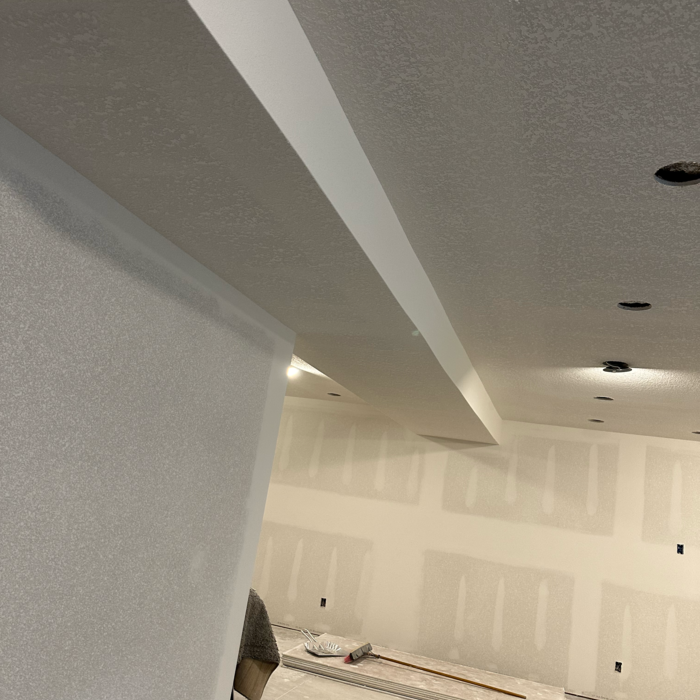
Top-rated plaster repair specialists.

Best plaster repair specialists near Milo, IA

Enter your zip and get matched with up to 5 pros

Need a pro for your plaster repair project in Milo, IA?

Select your specific project to find the pro for you.

TRUSTED BY MILO, IA HOMEOWNERS

  • Average homeowner rating star icon4.9
    Average homeowner rating
  • Verified reviews icon20
    Verified plaster repairs reviews

Top-Rated Plaster repair specialists in Milo - Updated Nov 2026

Avatar for CAMACHO'S CONSTRUCTION, LLC
CAMACHO'S CONSTRUCTION, LLC
4.2(
5
)
Plaster - InstallPlaster - Install - For BusinessPlaster - Repair+1 more

Serving Milo, IA and surrounding areas

In business since 2022

Free estimates

Emergency services offered

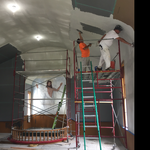
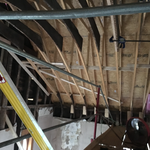
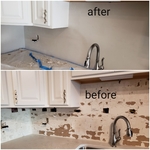
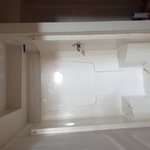
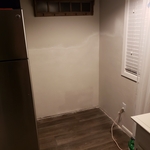
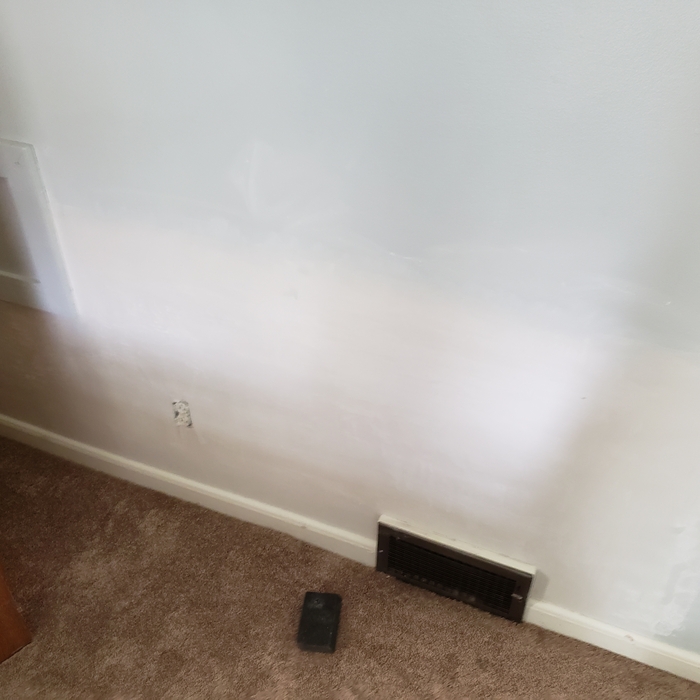
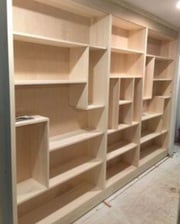
Drywall business locally owned and operated we feel invested in our clients and constantly strive for customer satisfaction. Call or message us to schedule an estimate today!\nContact us at (515) 343-0050 in Spanish or (515) 664-2069 for English.

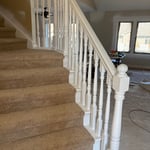
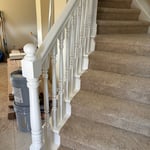
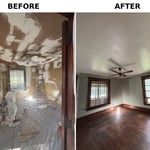
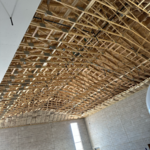
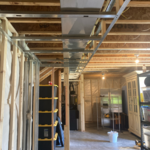
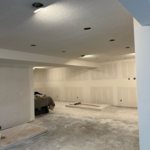
Additional Photos
Additional Photos
Additional Photos
Additional Photos
Additional Photos

+34

Recommended by100%of homeowners
Showing 1-10 of 38
Plaster Repair FAQs, answered by experts

It’s not a good idea to plaster over broken plaster (unless by broken you’re referring to cracked, in which case that’s perfectly fine). However, broken plaster can be a sign of a larger underlying issue like foundation damage or severe damage to the lath holding up the plaster, so it’s worth investigating before you simply plaster on top of the damage.

Plastering and skimming are two different techniques for finishing walls. Plastering involves applying a thick layer of a plaster mixture—typically containing gypsum, lime, cement, sand, and water—to create a new surface. This process often requires multiple coats and is used for repairing significant damage or creating decorative textures. Skimming, on the other hand, is a technique that involves applying a thin layer of drywall compound or joint compound over an existing surface to smooth it out, covering minor imperfections, small cracks, or uneven textures for a polished look. Plastering is generally more costly and labor-intensive than skimming. Although some people use the terms interchangeably, they refer to different processes and materials.

Both plaster and drywall are durable wall finishes, but they differ significantly in installation, cost, performance, and aesthetics.

Installation & Cost: Drywall installation is faster and more affordable, typically costing $1.50 to $3 per square foot. It uses premade sheets, making it a more accessible DIY project. Plastering is a labor-intensive craft that requires specialized skills, pushing costs to $2 to $10 per square foot. It involves applying a wet paste over a lath framework.

Durability & Performance: Plaster is generally more durable, longer-lasting, and provides superior soundproofing. It is also a better insulator, which can help reduce energy costs. Drywall is easier to remove for future renovations.

Aesthetics: Drywall provides a smooth, uniform surface ready for paint or texture. Plaster offers a high-end, naturally textured look that can hide imperfections and is often preferred for achieving a classic or historic aesthetic.

Which is better? The choice depends on your priorities. Drywall is ideal for those prioritizing a lower upfront cost, faster installation, and DIY potential. Plaster is the better option for a higher-end project where durability, soundproofing, and a unique, premium finish are more important than the initial cost.

Yes, you can install drywall over plaster, but there are important factors to consider. While it can create a smooth, flat surface, it is often not the best approach. Installing drywall over plaster will increase the wall's thickness, which can cause issues with existing window and door frames that may no longer fit. You might also need to adjust power outlets to keep them accessible. A better, though more expensive, option is to remove the old plaster and lath entirely before installing new drywall. Drywalling directly over plaster seals in the old material, and if any problems arise later, you will need to remove both layers down to the structural beams for repairs. Given the potential complications, this job is best handled by professionals.
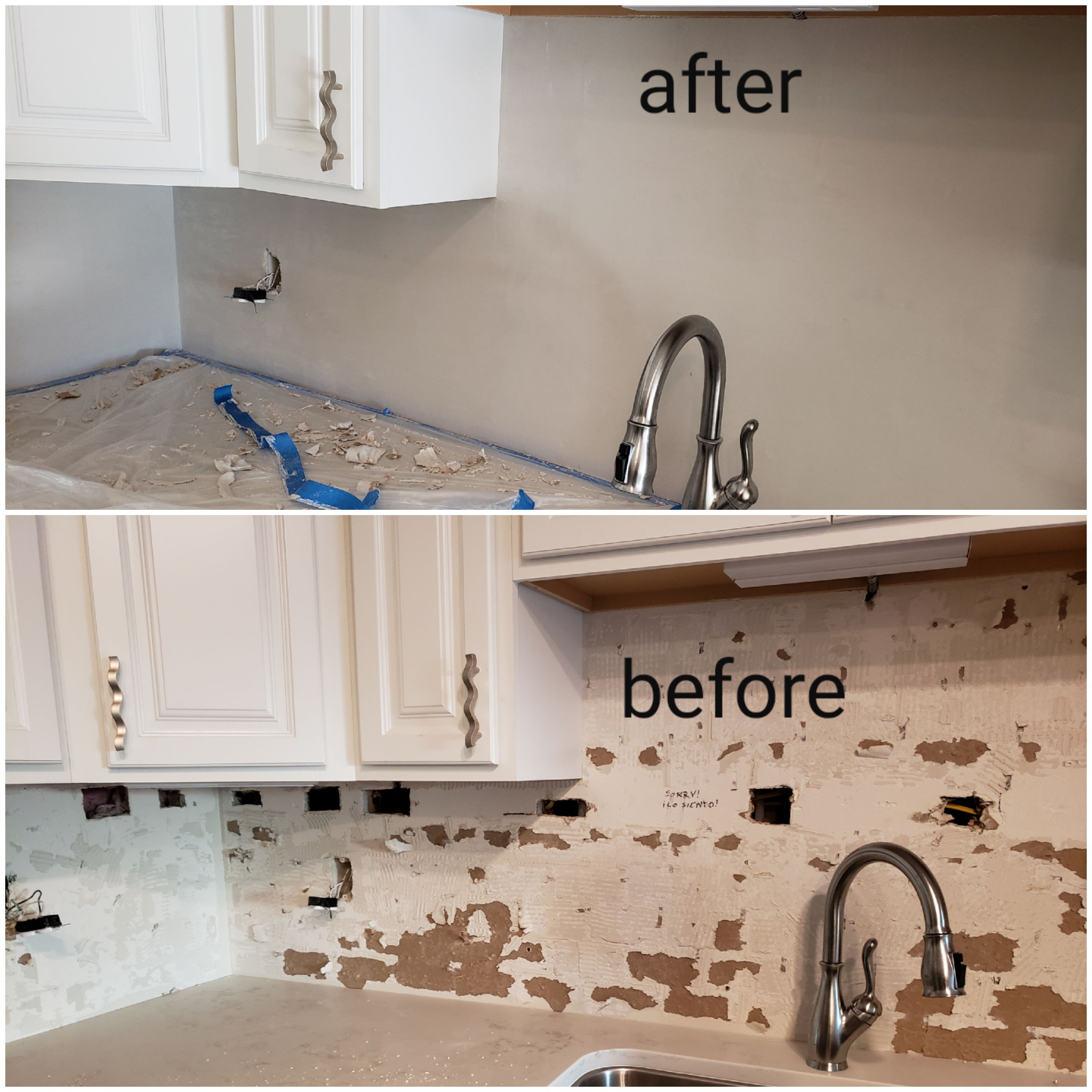
All plaster walls will crack over time due to normal house settling and expansion and contraction from temperature and moisture changes. Small, thin hairline cracks are generally not serious and are mostly a cosmetic issue. However, larger or more significant cracks can indicate structural problems.

Here's how to tell the difference:

  • Cosmetic Cracks: Cracks that are 0.5 cm (0.2 inches) or thinner are typically cosmetic.

  • Structural Cracks: Cracks wider than 0.5 cm, excessive or deep cracks, multiple cracks in the same area, or cracks that span around corners can signify a structural or foundation issue. Cracks along the joints where walls meet the ceiling also warrant attention.

For cracks wider than 0.5 cm, structural repair is needed. If a crack is 2.5 cm (1 inch) or wider, or if you notice any signs of a structural problem, it is best to contact a plaster repair professional to assess the damage.

The Milo, IA homeowners’ guide to plaster repairs

From average costs to expert advice, get all the answers you need to get your job done.