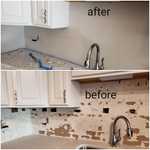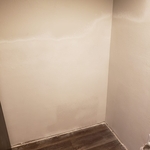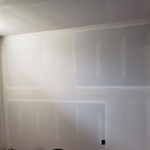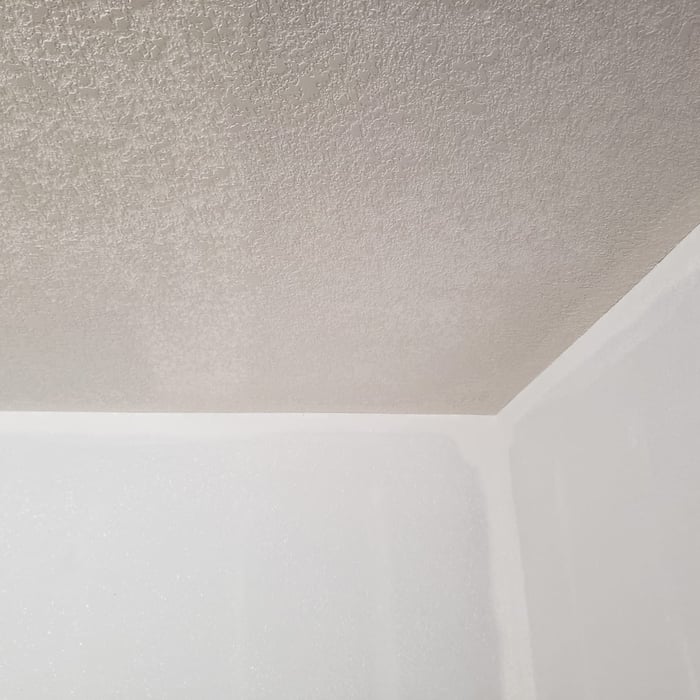




Top-rated plaster repair specialists.

Get matched with top plaster repair specialists in Van Meter, IA

Enter your zip and get matched with up to 5 pros

Need a pro for your plaster repair project in Van Meter, IA?

Select your specific project to find the pro for you.

TRUSTED BY VAN METER, IA HOMEOWNERS

  • Average homeowner rating star icon4.7
    Average homeowner rating
  • Verified reviews icon37
    Verified plaster repairs reviews

Find Plaster repair specialists in Van Meter

Avatar for Rocket Patch Drywall Repair
Rocket Patch Drywall Repair
5.0(
32
)
Plaster - Repair

Serving Van Meter, IA and surrounding areas

Approved

Super Service Award Winner

In business since 2021

Free estimates

Small jobs welcome

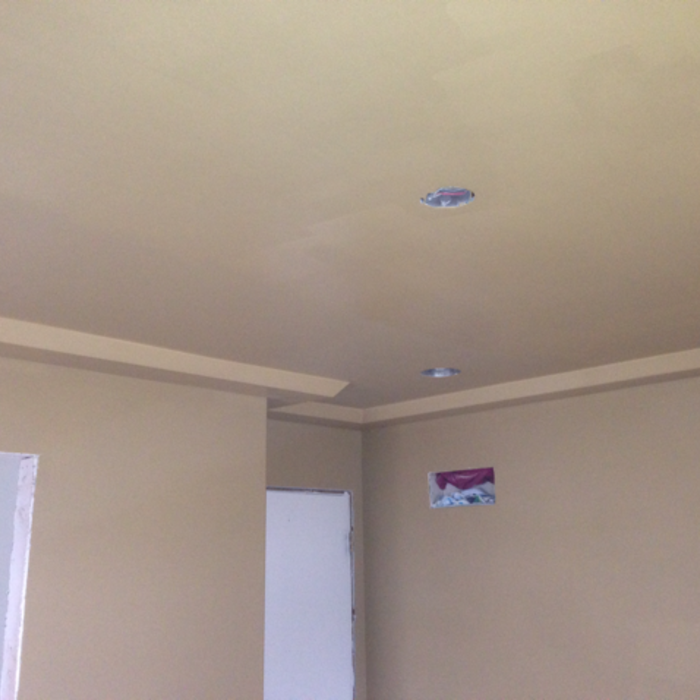
"Tim and his crew tore out my cracked plaster ceilings and replaced them with drywall. He showed up when he said he would, met the timeline he provided, and they did a nice job cleaning up after themselves."
Response time3 hrs
Response rate91%
27 neighbors recently requested a quote
Avatar for Rudy's Drywall Services, LLC
Rudy's Drywall Services, LLC
4.6(
25
)
Plaster - RepairPlaster - Repair - For Business

Serving Van Meter, IA and surrounding areas

In business since 2018

Free estimates

Small jobs welcome

"His care and quality of the work were appreciated. The ceiling repair was done well and worked to blend well with the rest of the room. Very pleased with his work overall but lacked consistent logistics and communications a few times during the process. Overall, very happy with his work"
Bament
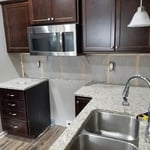
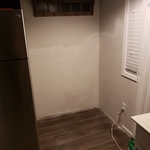
Kitchen repair
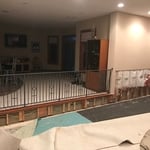
Flood Damage
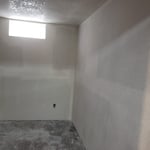
Basment
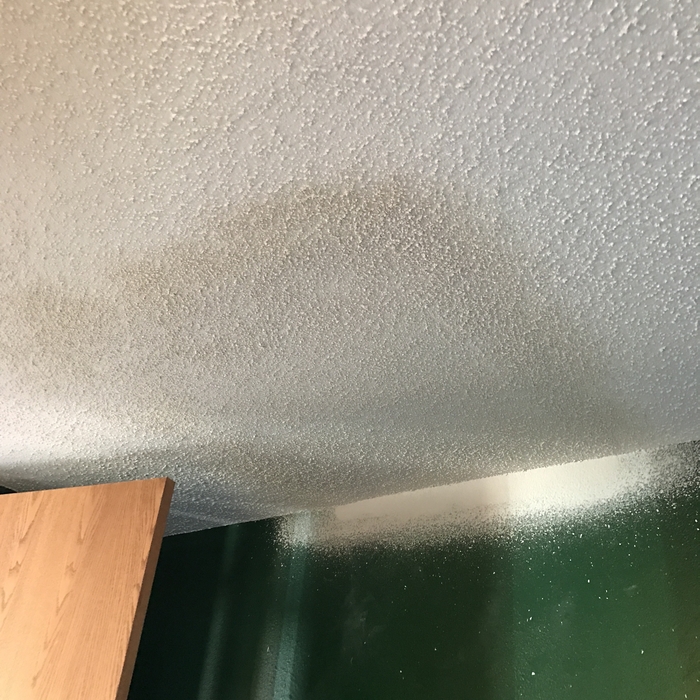
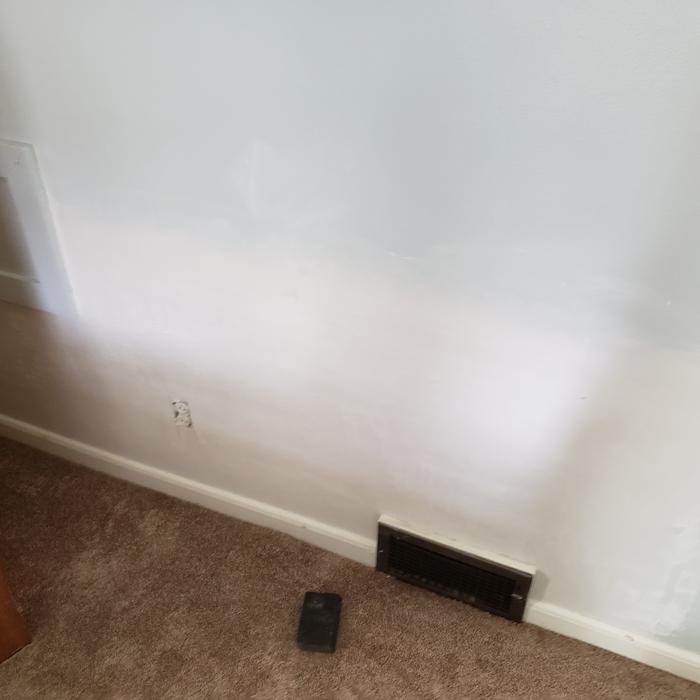
Basment texture

+34

Response time1 day
Recommended by88%of homeowners
Showing 1-10 of 41
Plaster Repair questions, answered by experts

You can repair plaster ceilings yourself after the cause of the ceiling damage has been addressed. However, the repair can easily take 5 hours and can be slightly challenging for those without previous experience. If you do decide to flex your DIY muscle, have a helper to help hold the ladder and pass you the tools for safety purposes.

Venetian plaster is a highly durable wall finish that becomes a rock-like substance once dried, making it last longer than most other wall finishes. Its lifespan can range from decades to centuries, potentially lasting a lifetime. Key factors influencing its longevity include the quality of the initial application, whether it's properly sealed against moisture, and how the wall is maintained and treated (e.g., how often it is touched or bumped). Due to its mineral content, it can also develop a patina over time.

The allure of Venetian plaster lies in its unique appearance and individual characteristics in a home. It’s sophisticated and multidimensional and has a rich history dating back to Ancient Rome. This type of plaster finish is durable and represents a style of luxury that has been practiced for thousands of years. Many designers pair the texture of Venetian plaster with modern furnishings, resulting in an elegant and refined aesthetic.

Although they have similar applications, spackle and joint compound are not the same. Their primary differences lie in their composition, consistency, and ideal use cases.

Spackle is composed of gypsum and binding agents, making it thicker than joint compound. It dries quickly and is easy to sand, which makes it ideal for small wall repair projects like filling nail holes or patching minor damage.

Joint compound, also known as drywall mud, consists of limestone and gypsum. It is primarily used for large-scale projects, such as taping and finishing the seams on newly installed drywall. It tends to shrink more than spackle and can be more difficult to spread.

While both products can be used to fill small depressions and cracks, spackle cannot replace joint compound for taping and mudding new drywall. Conversely, you can often use joint compound for small patching jobs typically done with spackle.

Although they are used for similar tasks, spackle and joint compound are not the same. Joint compound, also known as drywall mud, consists of limestone and gypsum and is primarily used for large-scale projects like taping and finishing seams on new drywall. Spackle is composed of gypsum and binding agents, making it a thicker compound best suited for small wall repairs like filling nail holes or cracks, as it dries quickly and is easy to sand. For small repairs, either product can be suitable. However, you can use joint compound for small jobs in place of spackle, but you cannot use spackle for large-scale taping and mudding projects.

The Van Meter, IA homeowners’ guide to plaster repairs

From average costs to expert advice, get all the answers you need to get your job done.