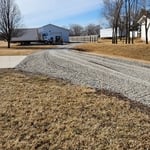
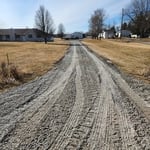
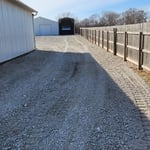
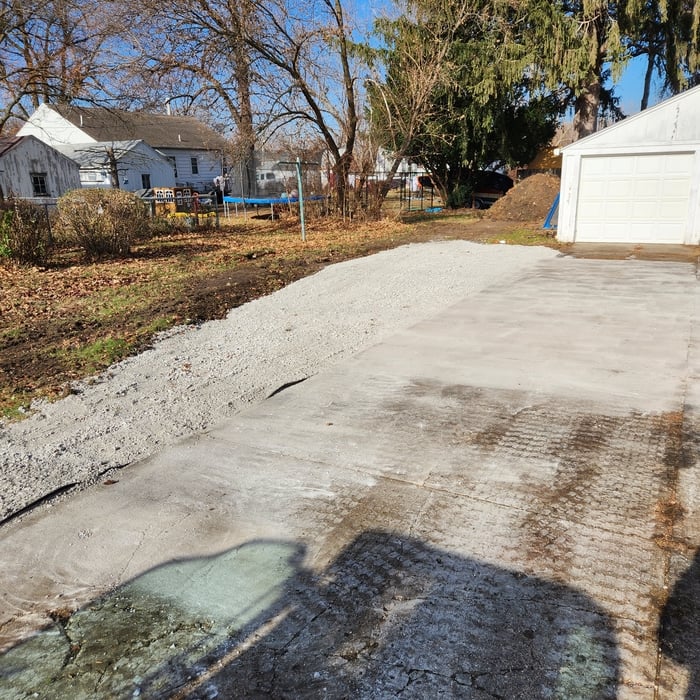
"Drive way was compacted and over grown with grass, weeds, and allowing water into the garage. Had a hill on one side of the house lower against the foundation, getting water in basement. Needed a patio to replace the rotted deck and allow my dog run. Did a great job, hired to rejuvenate and gravel driveway which looks awesome, remove hill along side of house place dirt against house and leave a swell between property to not cause an issue for my neighbor, much dryer in the basement, removed what was left of my rotted deck to put in a patio sloped away from the house. Was too hot for me but they showed up and got everything done quicker than I thought it would be. Very happy I was able to hire them"
"John did an outstanding job. Better than i expected, his design has gotten many compliments! I want to find more jobs i can have him do at my residence. He is very personable and friendly. I would highly recommend him for anyone with any needs. If anyone has any questions please call me at 515 570 6607 or drive by 2926 7th Ave S, Fort Dodge. QguudwdaaaS"
Hello All! I'm looking for side work/odd jobs. My skills & experience are listed below. \n\nClass A Commercial Driver\n-No Restrictions\n-Accident & Ticket Free\n-Clean Record\n-4 Years Experience\n\nHeavy Equipment Operation\n-Mini Excavators\n-Forklift\n-Moffit\n-Crane \n-Front End Loader\n\nWoodworking\n-Extensive Knowledge Of Product & Species\n-Measuring/Cutting/Sanding/Screwing\n- Own Tools\n\nAutomotive\n-Worked As A Service Tech\n-Tires/Brakes/Oil Changes\n-Roadside Service\n-Own Tools\n\nSeptic\n-Worked In The Industry For 5 Years\n-Extensive Knowledge Of Tanks & Systems\n\nRoofing\n-Have A Roofing Crew With Years Of Experience \n-Looking For Our First Job Partnering Together\n\nI drive full time for a lumberyard but am in hard times looking for work to fill the gap & feed a growing family of 5. \n\nIf you have anything that needs to be done shoot me a message & we can go from there!\n
I have a full time maintenance job during the day at a condominium complex, I have a wide range of experience and skills to perform general repairs,installations, troubleshooting and repairing appliances and general construction.
Reliable and detail-oriented handyman with experience in home repairs, furniture assembly, painting, minor plumbing, electrical work, and general maintenance. I take pride in providing high-quality service, honest communication, and making sure every job is completed properly and on time. Customer satisfaction is always my top priority.
"Crouse Brothers Masonry & Tuckpointing were professional and finished the project in a timely manner. Best of all, they cleaned up everything when they were finished. A+ experience!"
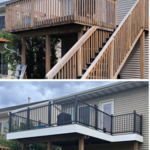
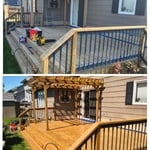
"They built a very nice deck for me in only 2 days and I was quite happy with the price. Really good guys, they worked through some very cold and windy weather to get it finished."
Fire Pit Installation questions, answered by experts
Regular inspections, battery replacements, and testing alarms help maintain reliability.
Call 911 immediately. If you have a fire extinguisher or fire blanket near the laundry room, you can attempt to extinguish the fire, but don’t open or touch the dryer. If you can’t put the fire out, evacuate yourself, your family, and your pets from the house, closing the laundry room door behind you. Turn off the electricity to your home via the outside fuse box, then wait for the fire department. After a dryer fire, have your home’s electrical system inspected to make sure there isn’t any damage.
Yes, a faulty or broken light switch can be a serious fire hazard. Malfunctioning switches often result from loose wiring, exposed connections, or other electrical problems that can cause overheating or sparking. Warning signs include crackling, popping, or hissing sounds when you flip the switch, which indicates live electricity that could ignite nearby flammable materials. If you suspect your light switch is faulty, immediately turn off the power at the circuit breaker and contact a qualified electrician to remedy the issue.
Yes, you need to leave your chimney damper open when burning a creosote log so that smoke and other debris doesn’t waft into your house as it’s burning. You’ll need to make sure your damper is fully open, even when the log continues to smoke, until it’s completely out and cold.
There aren’t many problems with fire doors except that they slow down or cut off ventilation at the higher rating levels. For this reason, work with a professional to ensure you have adequate ventilation throughout your house or workspace. The sealing around a fire door is meant to allow for a specific amount of ventilation and will need regular inspections to ensure adequate airflow.
The Jefferson, IA homeowners’ guide to fire pit installation services
From average costs to expert advice, get all the answers you need to get your job done.
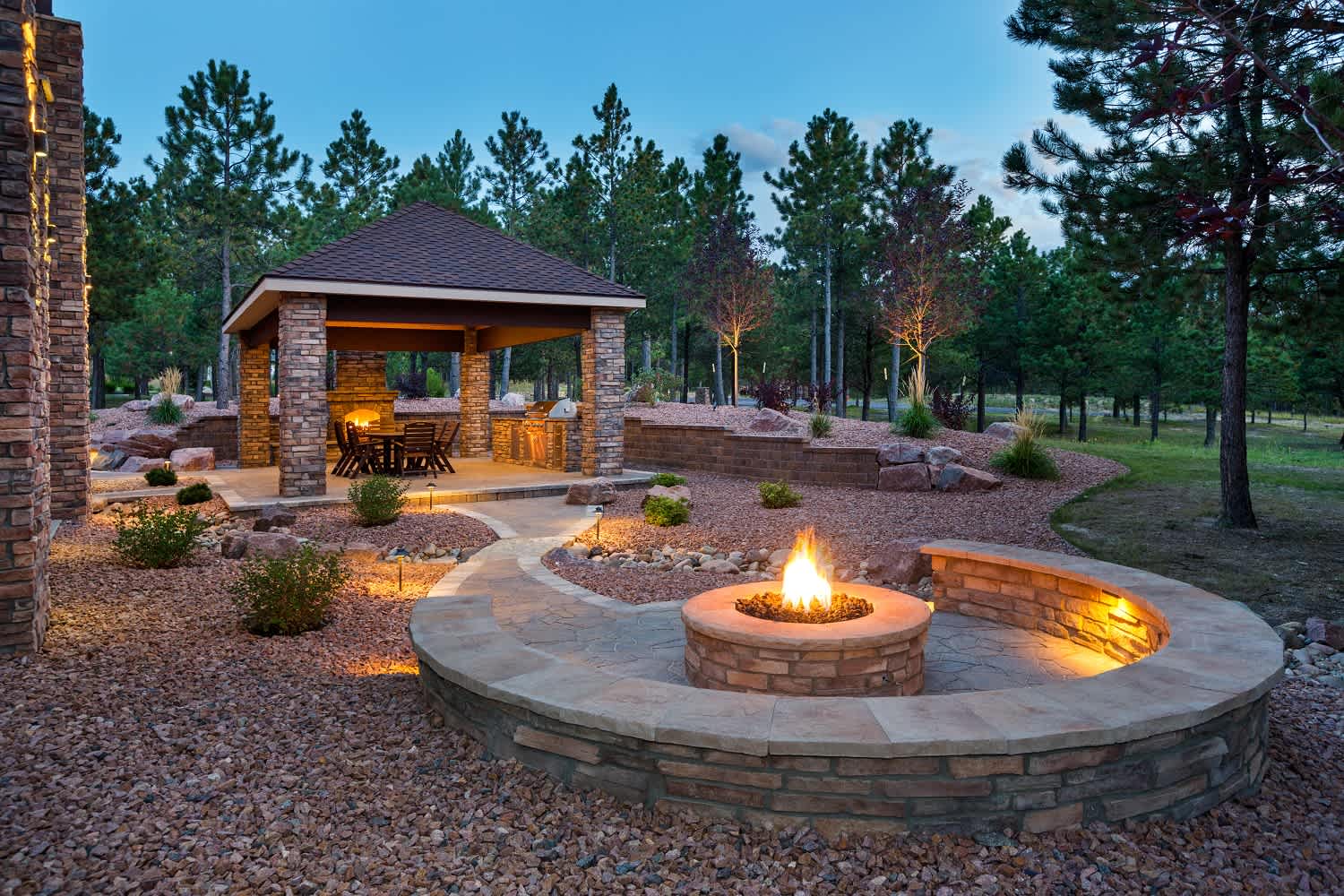
A fire pit installation costs $850 on average but can vary by size, fuel type, materials, and more. See how much you need to budget for a new fire pit.
Discover fire door cost data, including installation, materials, and tips to save. Learn what impacts fire door pricing and how to budget for your project.
Discover home fire sprinkler system costs, including installation, maintenance, and key cost factors. Learn how to budget and save on your home fire protection.
A fire pit adds attractive entertainment space to your backyard. Learn about standard fire pit dimensions and what factors contribute to fire pit size.
If you’re interested in buying a fire pit, you will likely be considering gas or wood. But what are the pros and cons of each? Find out if a gas or wood fire pit is right for you.