

Top-rated tree service pros.

Get matched with top tree service pros in Hubbard, IA

Enter your zip and get matched with up to 5 pros

Need a pro for your tree service project in Hubbard, IA?

Select your specific project to find the pro for you.

TRUSTED BY HUBBARD, IA HOMEOWNERS

  • Average homeowner rating star icon4.8
    Average homeowner rating
  • Verified reviews icon11
    Verified tree services reviews

Find Tree service pros in Hubbard

Avatar for D AND E OUTSIDE SERVICES, LLC
D AND E OUTSIDE SERVICES, LLC
4.4(
34
)
Tree RemovalTree Removal - For BusinessTree Stump - Remove+3 more

Serving Hubbard, IA and surrounding areas

In business since 2011

Free estimates

Credit card accepted

"Of the 2 suggested company's for snow removal D and E Outside Services were very prompt in getting back to me on my inquiry (the other company never contacted me). They are reasonably priced and my snow removal looked good when I got back from vacation. I had set up the service for the time I was on vacation and they checked with me the day I was to return as snow was in the forcast to see if I needed them again. Again, they were very prompt in getting back to me and being flexible for future snow removal. Great customer service and would definitely highly recommend them."
Rock Work
Boulder Installation
Stump removal
Response time9 hrs
Recommended by96%of homeowners
Warnes Tree Service
5.0(
2
)
Tree Stump - RemoveTree Stump - Remove - For BusinessTree Trimming+3 more

Serving Hubbard, IA and surrounding areas

In business since 2000

Free estimates

Credit card accepted

With over 40 years of experience tree service work, we are the experts you need to take care of your home or business. We handle everything from tree trimming to tree stump removals. We will treat your home as we would treat our own. Give Warne's Tree Service a call today, we look forward to working with you!\n

Response time1 day
Recommended by100%of homeowners
Showing 1-10 of 43
Tree Service questions, answered by experts

The best way to protect tree roots is to avoid the roots entirely by excavating outside the root radius of the tree. For nearby projects, it’s a good idea to construct a temporary retaining wall. But that’s not always possible, depending on the project and the root system. In these cases, consider using alternative equipment like an auger to tunnel under the ground.

Remember, tree roots can damage nearby cement foundations as they grow. If a tree is close enough to interfere with large excavations, it may be better to remove the tree than risk future problems.

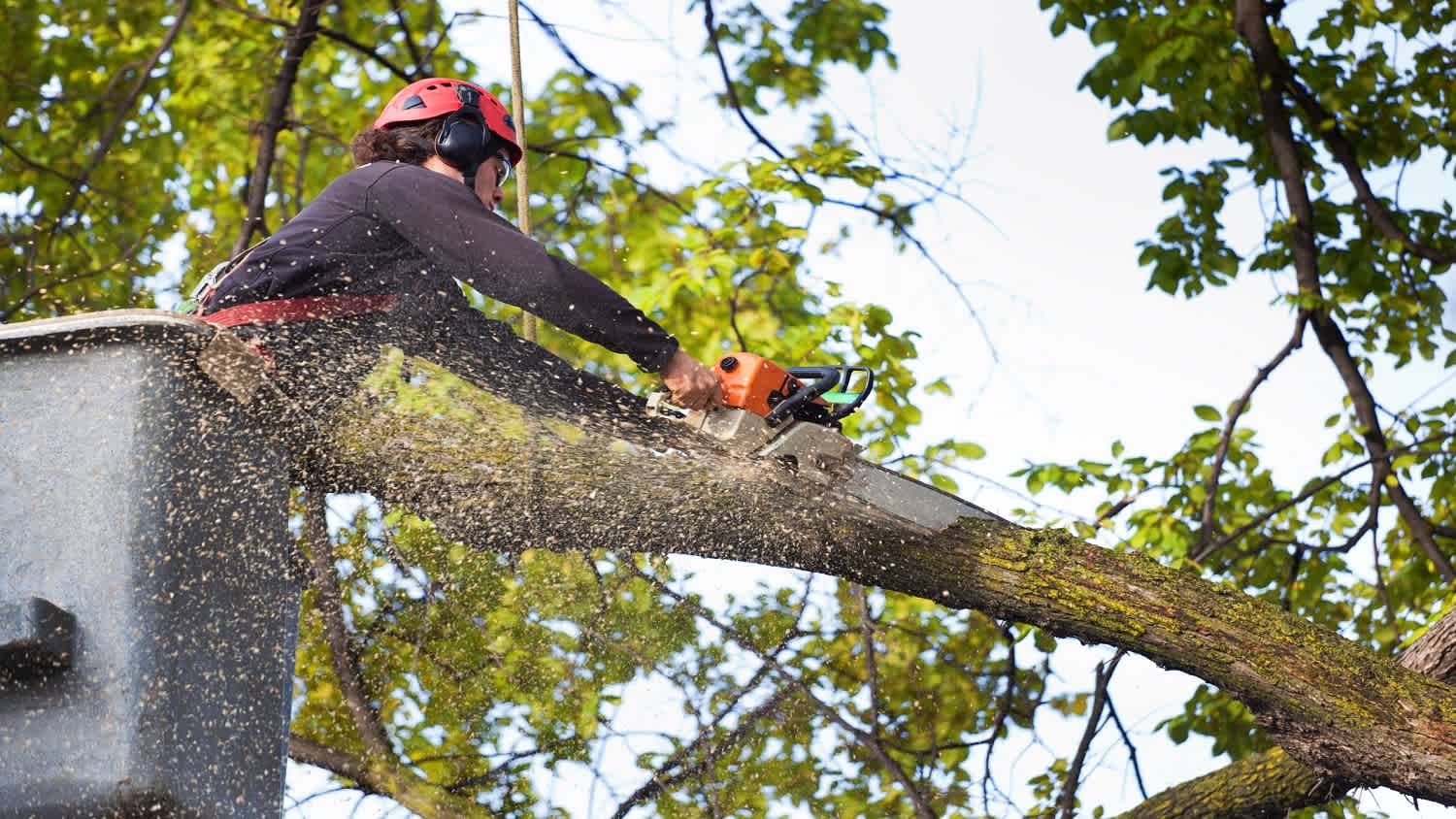
The best way is to start controlling tree height long before it grows too large, via careful pruning through the years. But that’s not always possible. If a tree has become too high or too large, use selective pruning to remove the most troublesome branches, one by one, without topping the tree. Gently shaping a tree like this can, over time, correct problems. You can also find growth inhibitors to spray on a tree to stop it from growing too rapidly, but use these sparingly if at all.

Large, established tree branches won’t grow roots, but if you find a young tree branch that’s less than about a year old, you’ve got a shot. Put it in water or soil as soon as possible for best results. You’ll know the branch is viable if it’s about the thickness of a pencil and has some leaves or needles.

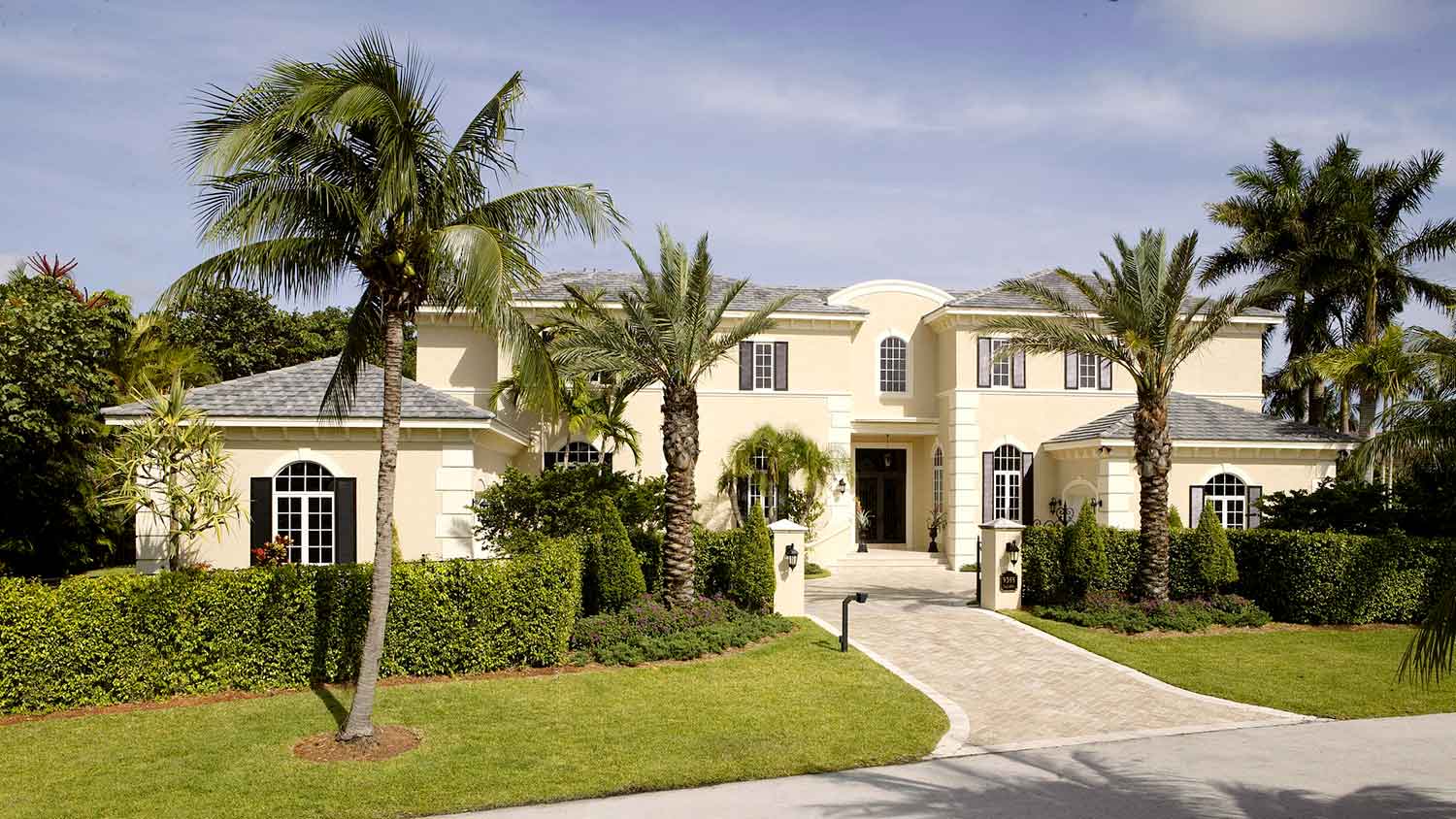
While palm trees can bring aesthetic appeal to your yard, they have a couple of drawbacks. The main disadvantage is that many types require warm climates, so if you live in a cold region, you need to ensure you pick a palm that can withstand the freezing temperatures. Another downside is that maintenance can be difficult because of their height, which means you will need to pay a pro to prune the tree as needed.

If executed correctly your tree should survive after being transplanted to a new spot. However, effective transplanting requires six months, careful root pruning, safe transport to the new location, and replanting in prime soil conditions. You’ll also need an appropriately sized root ball for a complete tree transplant. A good rule of thumb is that, for every inch in diameter, your tree’s root ball needs to be around 11 inches. So a tree with a diameter of six inches needs a root ball of approximately 66 inches.

The Hubbard, IA homeowners’ guide to tree services

From average costs to expert advice, get all the answers you need to get your job done.