


Top-rated tree service pros.

Get matched with top tree service pros in Hampton, IA

Enter your zip and get matched with up to 5 pros

Need a pro for your tree service project in Hampton, IA?

Select your specific project to find the pro for you.

Find Tree service pros in Hampton

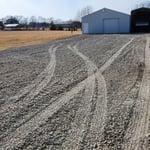
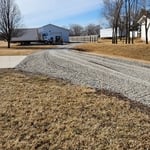
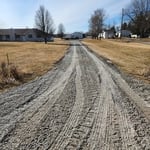
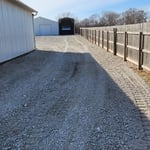
Lundberg Land Pros
5.0(
2
)

Serving Hampton, IA and surrounding areas

In business since 2018

Free estimates

Offers commercial services

Lundberg Land Pros is committed to excellence in every aspect of our business. We uphold a standard of integrity bound by fairness, honesty, and personal responsibility. Our distinction is the quality of service we bring to our customers. Accurate knowledge of our trade combined with ability is what makes us true professionals. Above all, we are watchful of our customers' interests and make their concerns the basis of our business.

Showing 1-10 of 29
Tree Service questions, answered by experts

If you’re wondering whether you can plant a tree where the stump was removed, know that the soil conditions won’t be ideal, so you should avoid it. The soil beneath the previous tree will likely be depleted of nutrients, plus there may be roots left behind that will seriously hinder the growth of a new tree. Also, if you use salt or other chemical solutions to kill the stump, these can linger in the soil for months or even years and prevent healthy growth. It’s best to choose a different spot that’s at least three feet away for a new tree, or wait at least a year and thoroughly amend the soil before you plant.

For trimming trees, your best tool is a pair of pruning shears or loppers. Both options work best for branches that are under 3 inches in diameter. Trimming trees with a larger diameter may require a robust tool like a small chainsaw or a handsaw, so take into account your tree’s diameter when deciding between tools.

Not all leaning trees are dangerous, but they can be a hazard as gravity may eventually cause them to fall. A key factor is whether the lean is new or has been present for a long time. Trees that have grown with a lean for years are not typically an immediate danger, but a sudden lean is a cause for concern as it often indicates weakening roots. If a tree is leaning more than 15% from vertical, you should consider having it straightened or transplanted. To be safe, it's always best to hire a professional arborist to inspect any leaning tree to assess the risk and avoid potential accidents.

There are many signs that a tree is diseased or dying, and if you suspect that’s the case, you should call an arborist immediately. You might notice rot or fungus on the trunk or that the tree is beginning to lean to one side. Brittle branches or signs of root damage are other indicators that a tree is in trouble. If the tree is dying, it might be time to cut the tree down so it doesn’t fall.

If the roots are still alive, the dead tree will usually try to put out new shoots. That doesn’t mean the tree will survive or that the dead parts of a tree will come back to life. If parts of the tree have died and turned gray or rotten, nothing will bring them back to life and they need to be safely removed.

The Hampton, IA homeowners’ guide to tree services

From average costs to expert advice, get all the answers you need to get your job done.