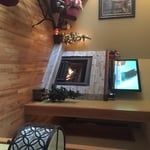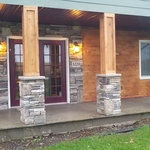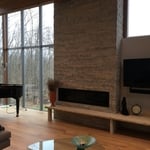








Top-rated fireplace pros.

Best fireplace pros near Hubbard, IA

Enter your zip and get matched with up to 5 pros

Need a pro for your fireplace service project in Hubbard, IA?

Select your specific project to find the pro for you.

Top-Rated Fireplace pros in Hubbard - Updated Nov 2026

Dave's Chimney Sweeps
5.0(
1
)
Brick or Stone Fireplace (Gas) - RepairBrick or Stone Fireplace (Non-Gas) - RepairGas, Pellet, or Wood Stove - Install+2 more

Serving Hubbard, IA and surrounding areas

In business since 2020

Free estimates

We at Dave's Chimney Sweeps, pride our company on reliability, great communication, integrity, and quality work. We are experts in our trade and will do our best to keep you as educated as we can on your particular task or project. We look forward to earning your business!

Recommended by100%of homeowners

Dave Navarro Construction
5.0(
2
)
Brick or Stone Fireplace (Gas) - InstallBrick or Stone Fireplace (Gas) - RepairBrick or Stone Fireplace (Non-Gas) - Install+9 more

Serving Hubbard, IA and surrounding areas

In business since 2010

Free estimates

"The workmanship was excellent. The work was completed within the time frame agreed upon as well as the price quoted. Everything was done very professionally from start to finish. I HIGHLY recommend Dave Navarro Construction for any interior remodeling. I will definitely use him again - without hesitation."
Recommended by100%of homeowners

Showing 1-10 of 11
Fireplaces FAQs, answered by experts

No, a chimney crown is not the same as a chimney cap. A chimney crown is a flat cement area on top of a masonry chimney. It starts where the masonry part of the chimney ends at the very top and domes upward toward the flue opening. A chimney cap sits on top of the crown over the flue. It is usually made of metal and allows smoke to escape without letting in rainwater.

Signs that your chimney may need to be replaced include visible damage like cracks in the structure, bricks, or mortar, as well as crumbling or flaking mortar and loose bricks. Leaks, dampness, discoloration, and efflorescence (a white, stain-like substance on the bricks) are also key indicators of water damage, which can compromise the chimney's safety. Addressing these problems is essential, as a chimney in this condition may be at risk of collapsing and causing major damage to your home. A full replacement costs about $10,000 on average, but can range from $3,100 to $15,400.

Some of the reasons a chimney damper won't close properly include shoddy installation, age-related damage, or heavy snow or ice affecting a top-sealing type. Poor chimney maintenance and a buildup of rust, debris, or creosote can also cause dampers to jam. Annual inspections and chimney sweep costs are worth it to help you avoid a damper disaster. 

Yes, it’s worth capping a chimney. Here are several reasons to install a chimney cap:

  • Keep out rain, snow, wildlife, and other debris

  • Help prevent chimney fires

  • Reduce your chimney’s exposure to moisture

  • Maintain your chimney flue liner

  • Help reduce energy bills by helping regulate your home’s temperature

You don’t need electricity for a wood-burning stove unless it has a blower fan. Some wood-burning stoves include blower fans to help with heat distribution, but blower fans have a motor and use electricity to power the fan. You can still operate a wood stove without using the blower fan, so it’s a good source of heat if you have a power outage or are looking to lower your electric bill during winter.

The Hubbard, IA homeowners’ guide to fireplace services

From average costs to expert advice, get all the answers you need to get your job done.