







Top-rated drywall pros.

Get matched with top drywall pros in Gilbert, IA

Enter your zip and get matched with up to 5 pros

Need a pro for your drywall service project in Gilbert, IA?

Select your specific project to find the pro for you.

TRUSTED BY GILBERT, IA HOMEOWNERS

  • Average homeowner rating star icon4.9
    Average homeowner rating
  • Verified reviews icon17
    Verified drywall services reviews

Find Drywall pros in Gilbert

Asmus Home Services, LLC
5.0(
10
)
Drywall - RepairDrywall - Repair - For Business

Serving Gilbert, IA and surrounding areas

Approved

In business since 1982

Free estimates

Offers commercial services

"Dave was extremely nice and did an excellent job at repairing my roof in a timely manner. Dave explained everything that he was going to do m. Dave did just that! I’m so happy with the service that he provided us m, Dave is honest and reliable. Will for sure hire him again if I have anymore repairs that need completed."
Response time1 day
17 neighbors recently requested a quote
Recommended by87%of homeowners
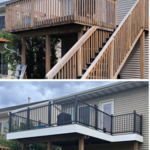
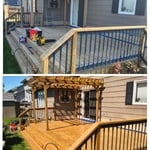
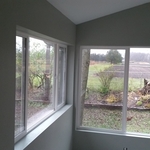
Avatar for Chavarria Handyman Services
Chavarria Handyman Services
New to Angi
Drywall - RepairDrywall - Repair - For Business

Serving Gilbert, IA and surrounding areas

Approved

In business since 2020

Free estimates

Credit card accepted

We are committed to excellence in every aspect of our business. We uphold a standard of integrity bound by fairness, honesty, and personal responsibility. Our distinction is the quality of service we bring to our customers. Accurate knowledge of our trade combined with ability is what makes us true professionals. Above all, we are watchful of our customers' interests, and make their concerns the basis of our business.

18 neighbors recently requested a quote
Avatar for Des Moines Area Roofing
Des Moines Area Roofing
4.8(
275
)
Drywall - InstallDrywall - Install - For BusinessDrywall - Repair+1 more

Serving Gilbert, IA and surrounding areas

In business since 2008

Free estimates

Emergency services offered

"Des Moines Area Roofing was professional, trustworthy, and demonstrated excellent attention to detail from initial contact to job completion. Cleanup was so thorough that the next day you wouldn't even know that such a major project had taken place. It has been 2 weeks since the new roofs and we haven't seen even one stray nail left behind (and they did a complete tear down to both buildings, right down to the wood). An excellent company with which to do business. I offer my highest possible recommendation."
Additional Photos
Additional Photos
Additional Photos
Recommended by99%of homeowners
...
Showing 1-10 of 85
Drywall questions, answered by experts

Yes, you can hammer a nail into a wall stud. But before you do, it’s important to confirm that you’re actually nailing into a stud—and not wiring, pipes, or ductwork. To check, find a few more studs in the wall, then measure to make sure they’re either 16 or 24 inches apart.

You may need to replace drywall because of smoke damage. If the drywall is covered in soot, you may be able to clean it, but it will require a lot of time and effort. You could spend hours cleaning the drywall only to find there is more damage and it needs to be replaced anyway. It’s usually easier and safer to remove the smoke-damaged drywall and replace it.

Wall anchors are suitable for drywall and plaster walls, which are common in most homes. However, different wall materials may require specialized anchors. For concrete or masonry walls, you'd typically use concrete anchors. When dealing with other wall types, such as brick or tile, specific anchors designed for those materials may be necessary. Always consult with a hardware specialist or check the manufacturer's recommendations to ensure you select the appropriate anchors for your specific wall type.

Knowing what causes drywall damage can help stop it before it starts. Here are some of the most common causes of drywall damage: 

  • Water damage from roof leaks or leaky pipes. 

  • Small holes caused by doorknobs, minor accidents, and rodent infestations. 

  • Wall dents stemming from moving furniture and minor accidents. 

  • Wall cracks that form from a settling foundation or seismic activity. 

  • Nail pops from nails and screws in the walls. 

  • Large holes that are caused by accidents with heavy objects, children and pets, or sporting equipment.

Although they have similar applications, spackle and joint compound are not the same. Their primary differences lie in their composition, consistency, and ideal use cases.

Spackle is composed of gypsum and binding agents, making it thicker than joint compound. It dries quickly and is easy to sand, which makes it ideal for small wall repair projects like filling nail holes or patching minor damage.

Joint compound, also known as drywall mud, consists of limestone and gypsum. It is primarily used for large-scale projects, such as taping and finishing the seams on newly installed drywall. It tends to shrink more than spackle and can be more difficult to spread.

While both products can be used to fill small depressions and cracks, spackle cannot replace joint compound for taping and mudding new drywall. Conversely, you can often use joint compound for small patching jobs typically done with spackle.

The Gilbert, IA homeowners’ guide to drywall services

From average costs to expert advice, get all the answers you need to get your job done.