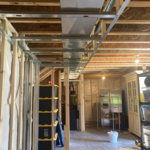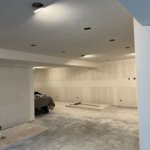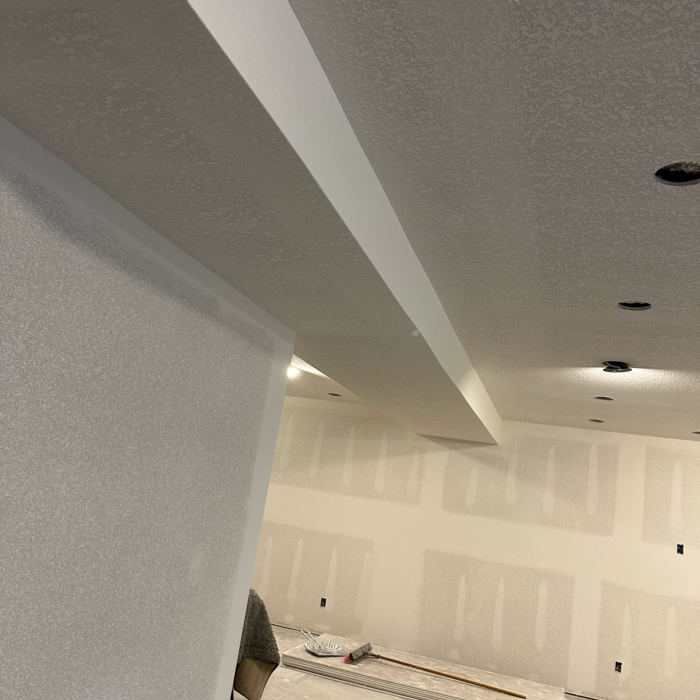







Top-rated drywall pros.

Get matched with top drywall pros in Roland, IA

Enter your zip and get matched with up to 5 pros

Need a pro for your drywall service project in Roland, IA?

Select your specific project to find the pro for you.

Find Drywall pros in Roland

Avatar for Des Moines Area Roofing
Des Moines Area Roofing
4.8(
275
)
Drywall - InstallDrywall - Install - For BusinessDrywall - Repair+1 more

Serving Roland, IA and surrounding areas

In business since 2008

Free estimates

Emergency services offered

"Great ! Owner Tim came out and did an emergency tarp -- in the rain, as my BR ceiling was leaking. Jan ( office manager ) worked with my insurance until the bid & repairs were enough to give me a great outcome. Their repair guy was professional, friendly and did a good job. I would not hesitate to use them again & to recommend them !"
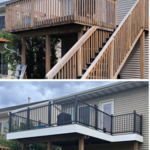
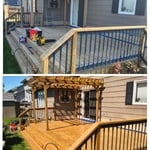
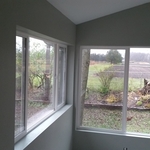
Additional Photos
Additional Photos
Additional Photos
Recommended by99%of homeowners
Cutting Edge Painting, LLC
4.3(
14
)
Drywall - Repair

Serving Roland, IA and surrounding areas

In business since 2010

Credit card accepted

"Team of three fantastic painters arrived on time and ready to work. They painted the entire finished basement of my home which includes a very large room, and ceiling, a large bedroom and a bathroom and the stairwell leading to the main upstairs living area--in one day. They were very meticulous, explained every step of the process, and they cleaned up very carefully. They didn't make any messes, really, because they used drop cloths quite effectively. On day two, the trio arrived on time and got right to work, and they finished the job on day two! Amazing considering day two included the kitchen, the family room, two bathrooms and three bedrooms--two coats on all, and the result is truly amazing. I'll hire Cutting Edge Painting if I ever need painting again, will recommend them to my family and friends, and very HIGHLY RECOMMEND them right here! Don't look any further. This company is truly outstanding."
Response time2 days
Recommended by90%of homeowners
Avatar for Essence Construction, LLC
Essence Construction, LLC
4.4(
52
)
Drywall - InstallDrywall - Repair

Serving Roland, IA and surrounding areas

In business since 2000

Free estimates

"Worked with my budget and used my old materials. They did quality work and replaced only what was needed. Worked around weather and kept in touch for changes in schedule and budget."
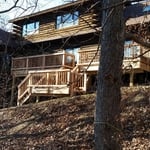
Deck
Deck
Deck
Deck
Fence post

+968

Response time8 hrs
Response rate93%
Recommended by100%of homeowners
...
Showing 1-10 of 75
Drywall questions, answered by experts

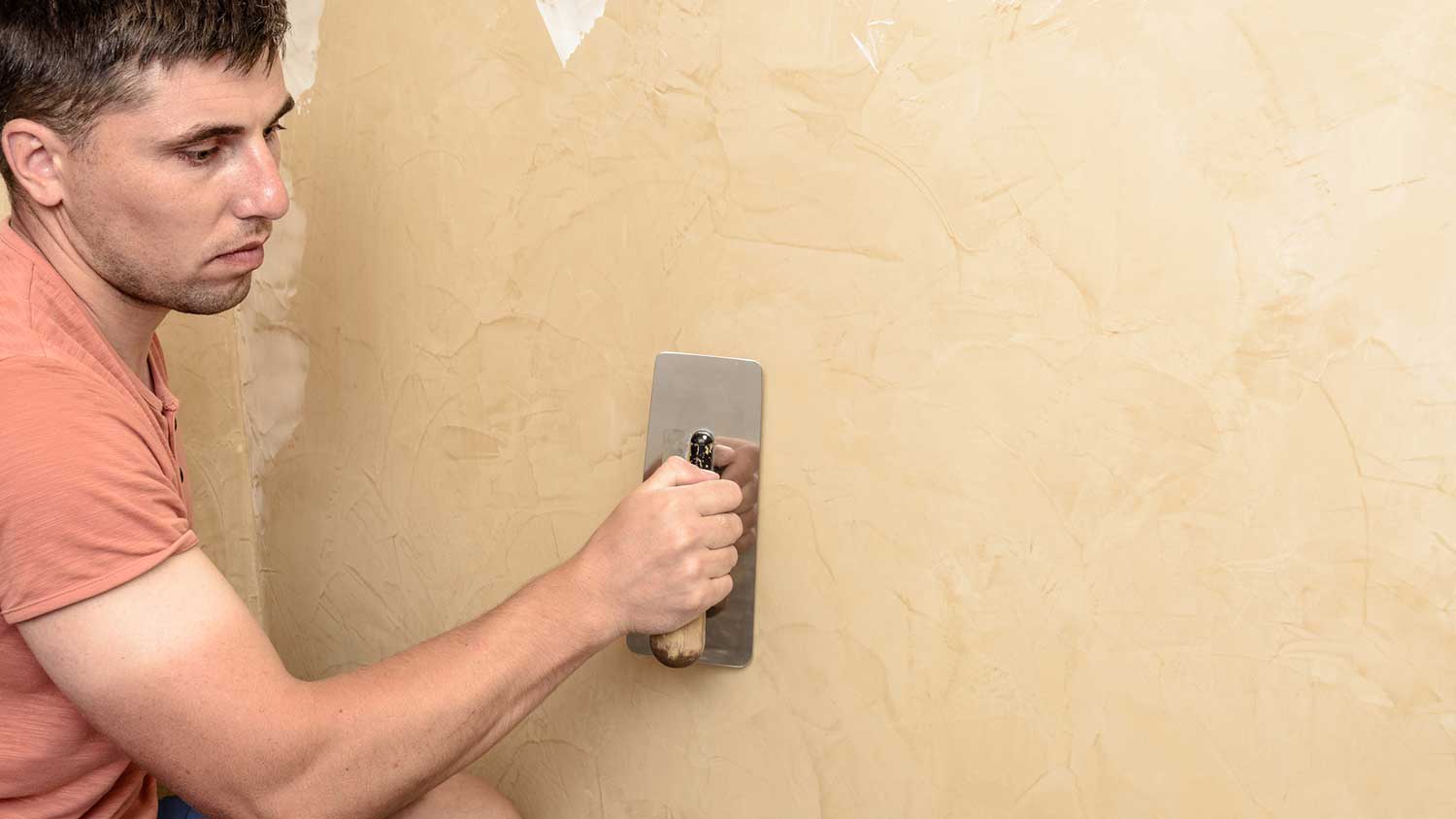
The easiest way to remove texture from walls is the soak-and-scrape method. You’ll need to spray a section of the wall with water and let the water soak in and soften the texture. Then, you need to scrape the texture off using a drywall taping knife. This method works best with unpainted walls since paint prevents water from saturating the textured joint compound.

There is no way to cut drywall without making dust, but you can reduce the amount of dust and especially the dangerous airborne particles by using manual cutting tools. Using a utility knife to score and snap your drywall will minimize dust production, and a jab saw for cutting cutouts for boxes and fixtures will generate almost no airborne dust. Even if you use these methods, you should still wear a respirator and safety goggles to avoid damage to your lungs and eyes.

Although they have similar applications, spackle and joint compound are not the same. Their primary differences lie in their composition, consistency, and ideal use cases.

Spackle is composed of gypsum and binding agents, making it thicker than joint compound. It dries quickly and is easy to sand, which makes it ideal for small wall repair projects like filling nail holes or patching minor damage.

Joint compound, also known as drywall mud, consists of limestone and gypsum. It is primarily used for large-scale projects, such as taping and finishing the seams on newly installed drywall. It tends to shrink more than spackle and can be more difficult to spread.

While both products can be used to fill small depressions and cracks, spackle cannot replace joint compound for taping and mudding new drywall. Conversely, you can often use joint compound for small patching jobs typically done with spackle.

Whether you apply the drywall mesh before or after drywall mud depends on the type of patch it is. For self-adhesive patches, you’ll put the patch down first and then coat it with mud. Mesh patches that are not self-adhesive will require you to put mud down first and then press the mesh into it, followed by additional coats of mud.

Plastering and skimming are two different techniques for finishing walls. Plastering involves applying a thick layer of a plaster mixture—typically containing gypsum, lime, cement, sand, and water—to create a new surface. This process often requires multiple coats and is used for repairing significant damage or creating decorative textures. Skimming, on the other hand, is a technique that involves applying a thin layer of drywall compound or joint compound over an existing surface to smooth it out, covering minor imperfections, small cracks, or uneven textures for a polished look. Plastering is generally more costly and labor-intensive than skimming. Although some people use the terms interchangeably, they refer to different processes and materials.

The Roland, IA homeowners’ guide to drywall services

From average costs to expert advice, get all the answers you need to get your job done.