







Top-rated masons.

Get matched with top masons in Exira, IA

Enter your zip and get matched with up to 5 pros

Need a pro for your masonry work project in Exira, IA?

Select your specific project to find the pro for you.

Find Masons in Exira

Avatar for Nedi Masonry Repair, LLC
Nedi Masonry Repair, LLC
4.3(
44
)
Brick or Stone - Tuck-pointingBrick or Stone - Tuckpointing - For Business

Serving Exira, IA and surrounding areas

Approved

In business since 1992

Free estimates

Warranties offered

"I would recommend this company to EVERYONE. They were professional, hardworking, and respectful to me and my property. They got right to the job at hand, and kept everything tidy during the entire project. The finished job looks FANTASTIC, and the price was a DEAL! I will definitely use this company again for any masonry repair I may need. GREAT JOB GUYS!!! :)"
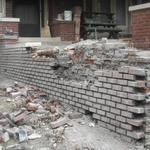
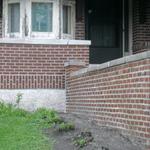
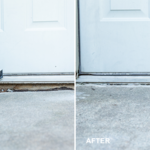
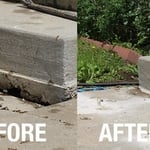
BEFORE
AFTER
BEFORE
AFTER
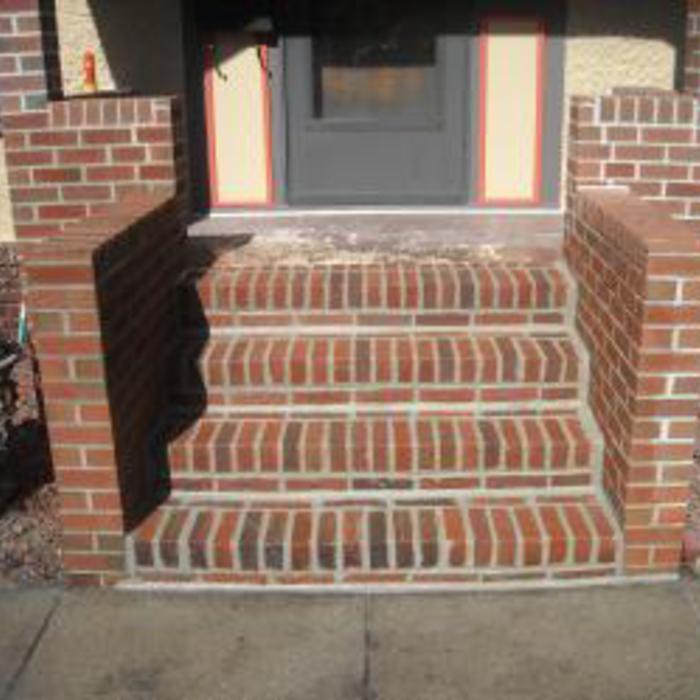
BRICK STAIRS REPAIR

+1

Response time2 days
1 neighbors recently requested a quote
Recommended by100%of homeowners

Dave Navarro Construction
5.0(
2
)
Basement Drainage Channels - InstallBasement Drainage Channels - RepairConcrete Foundation - Install+2 more

Serving Exira, IA and surrounding areas

In business since 2010

Free estimates

"The workmanship was excellent. The work was completed within the time frame agreed upon as well as the price quoted. Everything was done very professionally from start to finish. I HIGHLY recommend Dave Navarro Construction for any interior remodeling. I will definitely use him again - without hesitation."
Recommended by100%of homeowners
Showing 1-10 of 17
Masonry questions, answered by experts

Unfortunately, there are many disadvantages to stone houses. They are slow to build and the materials are pricey, both of which balloon the total cost. Stone walls require a more robust foundation, which costs more to install. Running plumbing, electrical, and HVAC through a stone house is much more difficult too, so homeowners need to seriously consider if the aesthetic benefit is worth the cost of building with stone. One of the questions to ask a masonry contractor is if a similar aesthetic can be achieved with another material.
A traditional rectangular brick that is used for siding, brick walks, and pathways is 8 inches long by 4 inches wide. If you are shopping for fire bricks, the standard dimension is typically 9 inches long by 4.5 inches wide.

The difference between river rock and landscaping rocks is size, smoothness, and use. River rocks are smooth and flat, as if polished by water, and come in diameters between 1 and 8 inches. Landscape rock can vary in size from small pea gravel installations to car-sized boulders. However, landscaping and river rocks are interchangeable in many situations. River rock is best for pathways, walkways, garden bed mulch, water features, and planting accents, while small landscape rocks can serve as a walkway base, gravel playground areas, and filler between pavers.

Do not use super glue to hang lights on brick unless you want your lights up year-round. Hot glue is a better choice because it’s easily removable with a small amount of rubbing alcohol. Super glue is very hard to remove, and you could tear off parts of the brick in the removal process.

No, you shouldn’t lay bricks directly on dirt. While it might seem like a shortcut, it leads to a patio that shifts, sinks, and becomes a maintenance headache. Dirt expands, contracts, and erodes—none of which mix well with long-term stability. To build something that lasts, excavate the topsoil, compact a layer of crushed gravel, and add a coarse sand-setting bed. This layered base gives your bricks proper support, allows drainage, and helps block weeds from creeping through. Cutting corners here just means you’ll spend more time—and money—repairing your brick patio later.

The Exira, IA homeowners’ guide to masonry services

From average costs to expert advice, get all the answers you need to get your job done.