



Top-rated asphalt driveway pros.

Get matched with top asphalt driveway pros in Dysart, IA

Enter your zip and get matched with up to 5 pros

Need a pro for your asphalt driveway service project in Dysart, IA?

Select your specific project to find the pro for you.

Find Asphalt driveway pros in Dysart

Avatar for Titan Excavating, LLC
Titan Excavating, LLC
5.0(
23
)
Gravel or Loose Fill Paving - Install, Spread or ScrapeAsphalt Paving - Repair or PatchConcrete Driveways & Floors - Install- For Business+2 more

Serving Dysart, IA and surrounding areas

Approved

In business since 2020

Free estimates

Emergency services offered

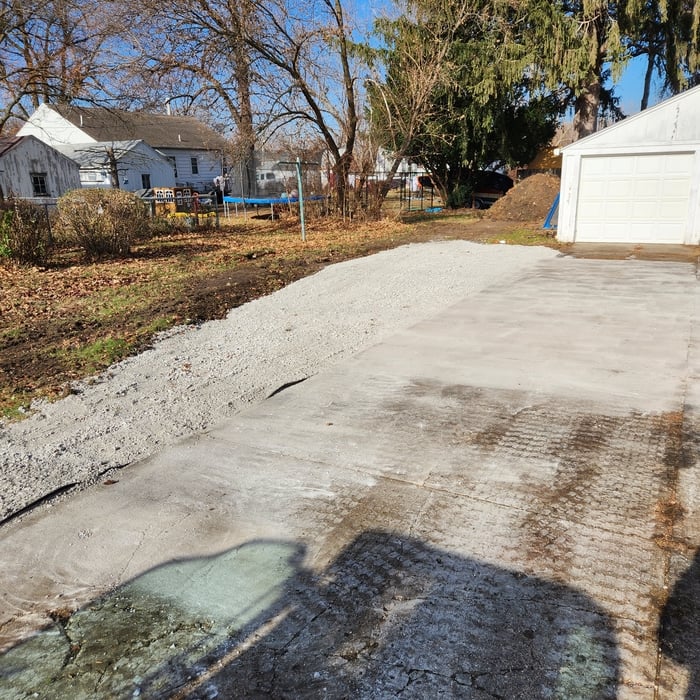
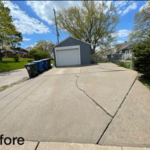
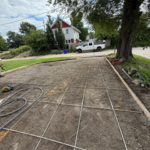
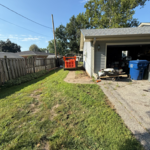
"Widened and leveled my driveway, added new gravel and compacted it and added a drainage grate to my garage. Very professional and knowledgeable. Was able to accommodate my schedule. Finished the work in about 8 hours. Very happy with the result."
Parking
Drive
Drive
Drive
Parking

+25

Response time9 hrs
9 neighbors recently requested a quote
Recommended by80%of homeowners

Avatar for Q&M LLC
Q&M LLC
4.5(
19
)
Concrete Driveways & Floors - Install- For BusinessConcrete Driveways - Install

Serving Dysart, IA and surrounding areas

Approved

Super Service Award Winner

In business since 2019

Free estimates

Small jobs welcome

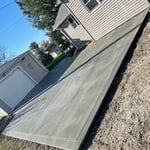
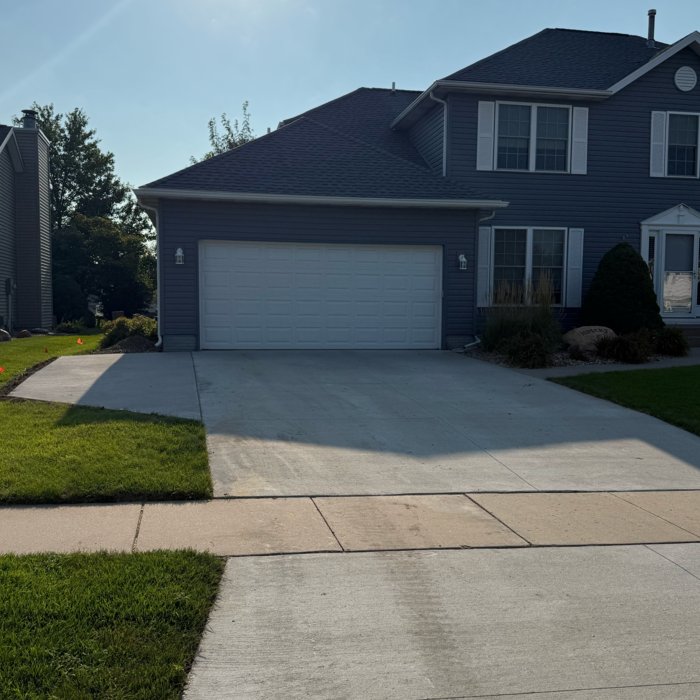
"These guys are fantastic. Very friendly and knowledgeable. High quality work, done very quickly (when Mother Nature was playing nice). Laid a new driveway and sidewalk, and replaced a few broken squares on another walk. I highly recommend Q&M to anyone."
Hiawatha driveway
Driveway in Hiawatha,IA
Dubuque
Marion
Marion

+22

Response time6 hrs
Response rate95%
Recommended by57%of homeowners

Showing 1-10 of 44
Asphalt Driveways questions, answered by experts

It takes recycled asphalt 48 hours to initially harden and up to 3 months to fully cure. It’s best to stay off of recycled asphalt for at least 48 hours, then you can walk or drive standard vehicles on it. Hold off on driving heavy trucks or equipment on it for at least 7 days. Allowing the surface to melt together and harden ensures that the surface stays durable and long-lasting. 

The dimensions of a driveway apron vary based on local building codes, the width of your driveway, and the distance between the driveway and the road. On average, aprons range from 12 to 24 feet wide and 8 to 18 feet long. Typically, the end of the apron connected to the driveway matches its width—such as 10 to 12 feet for a single-car driveway—while the end at the street flares out to allow cars to turn in and out more easily. In some areas, you may not be responsible for the portion of the apron that extends beyond the sidewalk, but this depends on local laws.

If you’re looking for a similar, eco-friendly driveway material, you might consider one of these options:

  • Permeable pavement: This material is sometimes called “pervious” or “porous” pavement; it allows stormwater to drain into the subbase, eliminating storm drain costs. 

  • Gravel: Consider paving your driveway with locally sourced gravel. By sourcing from a nearby source, your money won’t fund international shipping and will be invested back into your local community.

  • Natural stone pavers: Because natural stone pavers are made from organically-produced stone, there’s no new manufacturing required, limiting the environmental impact. In addition, water easily flows and drains through the gaps in the pavers.

While blacktop is a type of asphalt, the terms should not be used interchangeably, as not all asphalt qualifies as blacktop. The primary differences are in their composition, production process, and ideal applications. Blacktop contains more stone than other types of asphalt and is heated to a higher temperature during production—300°F or more—while hot-mix asphalt is heated to between 275°F and 300°F. The ratio of bitumen (a tar-like crude oil) is a key differentiator, though sources vary: some state blacktop has less bitumen, making it less durable, while others claim it has a higher ratio. Due to these differences, asphalt is generally more durable and better for high-traffic areas like highways and streets, while blacktop is more suitable for playgrounds and residential driveways. For a driveway project, it is best to consult a professional to determine the most appropriate material.
Your city or county will have guidelines about the minimum and maximum width and length of private roads. The average private road is 12 feet wide, and length, of course, depends on your property. Requirements also depend on the amount of traffic and types of vehicles your road experiences. Check with local ordinances before planning a road on your property.

The Dysart, IA homeowners’ guide to asphalt driveway services

From average costs to expert advice, get all the answers you need to get your job done.