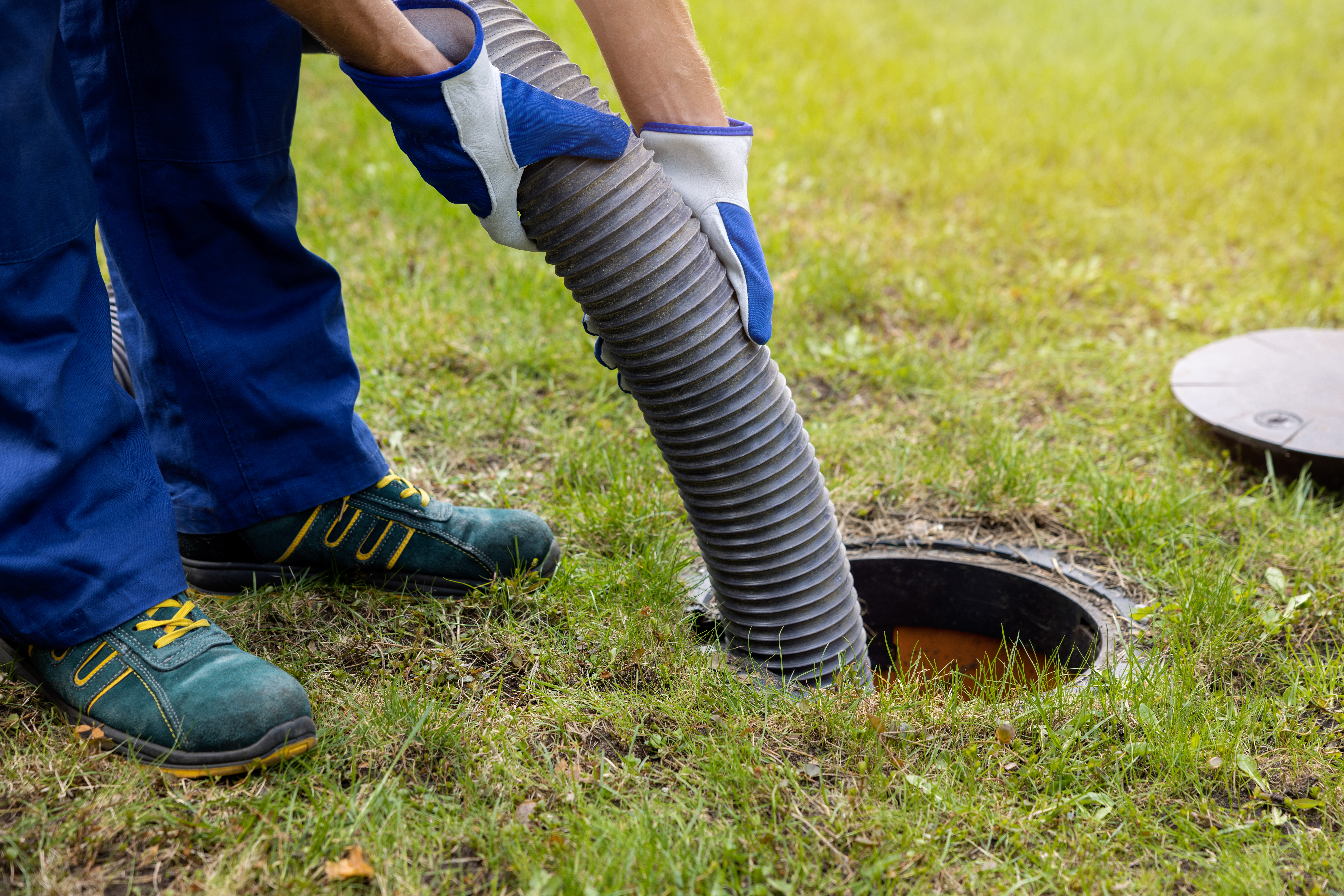









Top-rated septic tank pros.

Get matched with top septic tank pros in Clinton, IA

Enter your zip and get matched with up to 5 pros

Need a pro for your septic tank service project in Clinton, IA?

Select your specific project to find the pro for you.

Find Septic tank pros in Clinton

Karr Septic Services
5.0(
1
)
Septic Tank - Clean or Pump OutSeptic Tank - Clean or Pump Out - For Business

Serving Clinton, IA and surrounding areas

In business since 2005

Credit card accepted

Karr Septic Services is committed to excellence in every aspect of our business. We uphold a standard of integrity bound by fairness, honesty, and personal responsibility. Our distinction is the quality of service we bring to our customers. Accurate knowledge of our trade combined with ability is what makes us true professionals. Above all, we are watchful of our customers interests and make their concerns the basis of our business

Recommended by100%of homeowners
Avatar for American Home Shield – Home Warranty
American Home Shield – Home Warranty
3.5(
5,688
)
Septic System - Install or ReplaceSeptic System - Install or Replace - For BusinessSeptic System - Repair+3 more

Serving Clinton, IA and surrounding areas

In business since 1971

Credit card accepted

"I just pay $75 you never know who's going to come out. They do everything electrical. Just about everything is covered except the septic tank. I had an air conditioner replaced. It went great, all I had to do was pay for the freon. He didn't charge e more than what was needed."
Additional Photos
Additional Photos
Additional Photos
Additional Photos
Additional Photos

+2

Recommended by65%of homeowners
Septic Tanks questions, answered by experts

Yes. Amongst the four most common types of septic tanks—plastic, fiberglass, concrete, and steel—those made of concrete are the most expensive. This is the case for a few reasons, including the fact that they’re very heavy, so pros have to use specialized equipment to install them. However, they’re also incredibly durable, making the price worth it if it’s in your budget.

A septic system's lifespan typically ranges from 15 to 40 years, with a common average of 20 to 30 years. The longevity heavily depends on the tank's material, maintenance diligence, and usage habits. With proper care, lifespans can reach the upper end of this range.

Lifespan by Tank Material:

  • Concrete: 20 to 40 years

  • Plastic or Fiberglass: 30 to 40 years

  • Steel: 15 to 20 years

To maximize your system's lifespan, follow these maintenance best practices:

  • Regular Pumping and Inspections: Have the tank pumped every three to five years and schedule professional inspections regularly.

  • Mindful Usage: Only flush human waste and toilet paper. Avoid putting items like cat litter, paper towels, cigarette butts, fats, grease, oils, or coffee grounds down your drains.

  • Avoid Chemicals: Do not pour harsh chemicals into the system.

  • Water Conservation: Reduce the amount of wastewater your system has to process.

  • Protect the Drain Field: Avoid driving or building heavy structures over the drain field area.

To prevent septic tank problems, save on repair costs, and keep your home running smoothly, it's essential to perform regular maintenance. Have your septic system inspected by a professional every one to three years, or annually if possible, to spot potential issues before they develop. You should also have your tank pumped every three to five years, or more frequently if recommended by a professional based on your household's usage. Additionally, be mindful of what goes into your system. Avoid flushing items like paper towels, wet wipes, and feminine hygiene products. Do not dispose of other inappropriate substances, and try to avoid excessive water usage at a single time.

How do you set your well’s pressure tank? All you need to do is first drain the tank of water and find the pressure switch. Remove the switch cover and adjust the switch with a wrench—clockwise to increase water pressure, and counter-clockwise to reduce it. Each complete turn of the nut on the switch should equal 2.5 psi. Once this is done, replace the switch cover. All that’s left is to adjust the pressure of the tank itself using an air compressor and a tire gauge to support the new setting.

A shallow-well pump can pull water up to 25 feet deep. A deep-well pump can pull water up to 90 feet deep. A deep-well submersible pump can pull water up to 300 feet deep. Make sure to consult a pro to find out how deep your well is and get the right pump for your needs.

The Clinton, IA homeowners’ guide to septic tank services

From average costs to expert advice, get all the answers you need to get your job done.