



Top-rated paving pros.

Get matched with top paving pros in Centerville, IA

Enter your zip and get matched with up to 5 pros

Need a pro for your paving service project in Centerville, IA?

Select your specific project to find the pro for you.

Find Paving pros in Centerville

Avatar for Titan Excavating, LLC
Titan Excavating, LLC
5.0(
23
)
Gravel or Loose Fill Paving - Install, Spread or ScrapeAsphalt Paving - Repair or PatchAsphalt Paving - Repair or Patch - For Business

Serving Centerville, IA and surrounding areas

Approved

In business since 2020

Free estimates

Emergency services offered

"They were very informative and were spot on with their estimate. They did a very good job and did everything they said they were going to do. My wife and I were very pleased with the outcome and were very impressed with their service."
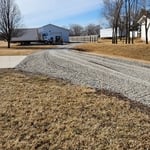
Parking
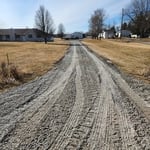
Drive
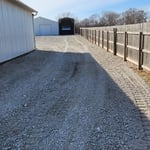
Drive
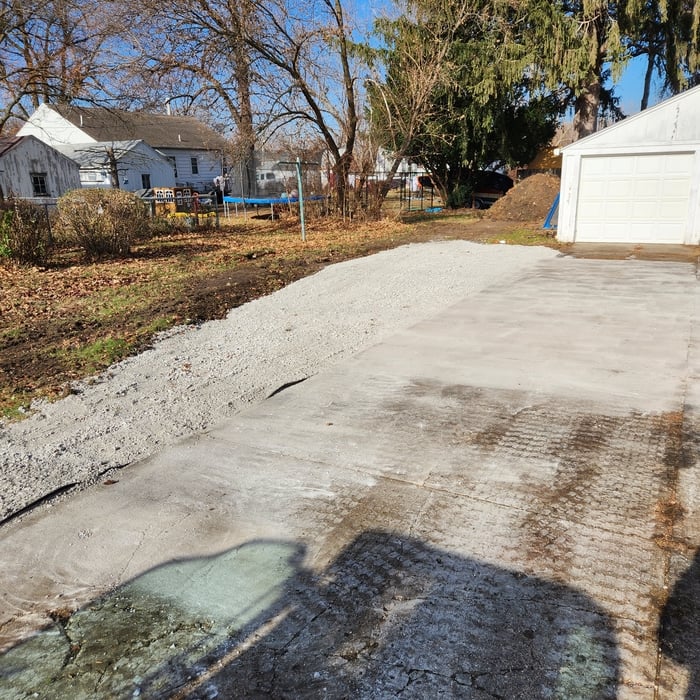
Drive
Parking

+25

Response time9 hrs
12 neighbors recently requested a quote
Recommended by80%of homeowners
Paving Services questions, answered by experts

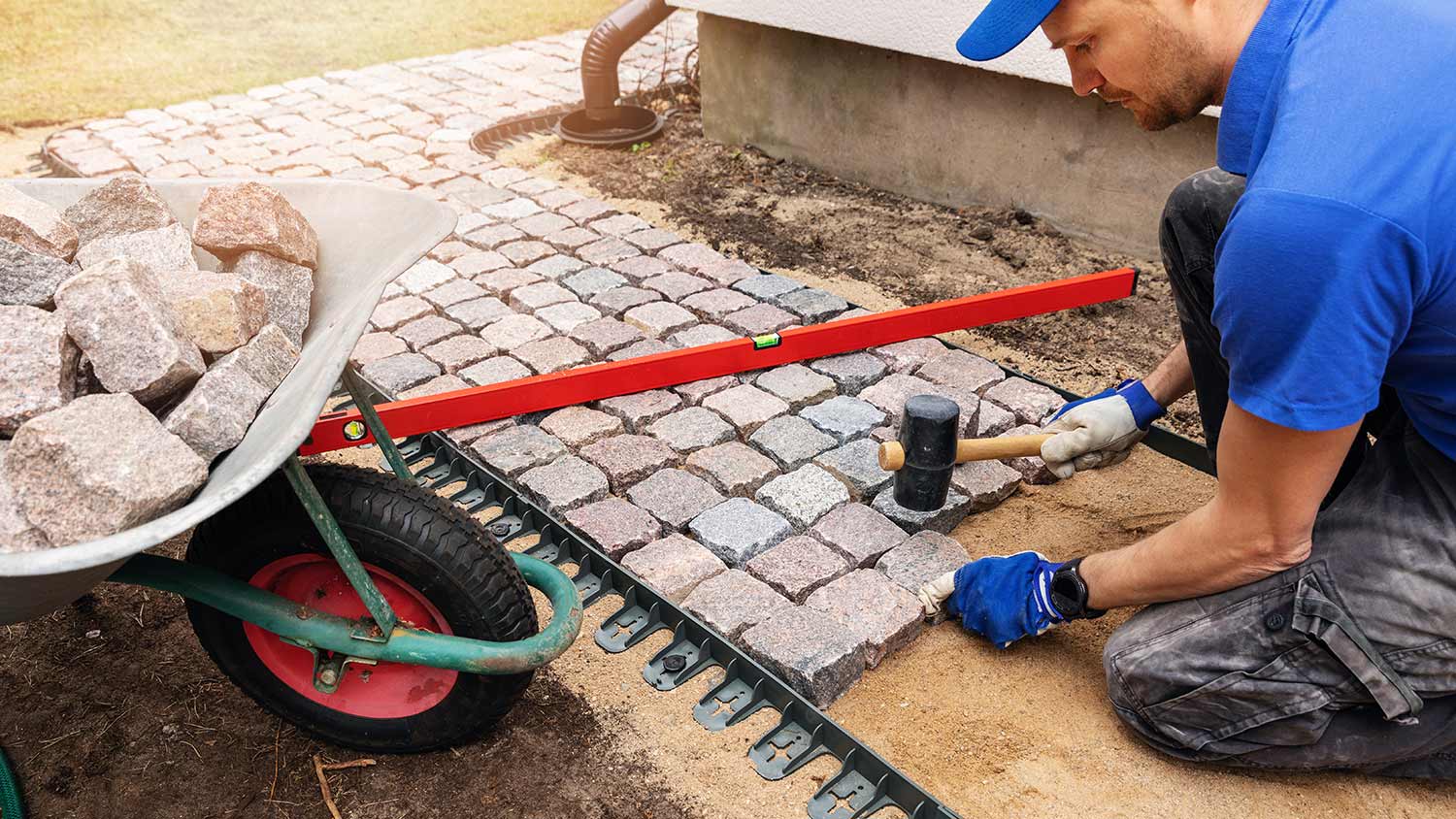
Cobblestone driveways can take a major hit on anyone's bank account, begging the question of whether it's worth it to build a cobblestone driveway. Some homeowners might prefer more affordable driveway materials like concrete or pavers, which can give a similar appearance to cobblestone without the high price tag.

Paving your driveway costs between $2,500 and $6,600, to put that in perspective. But for others, there’s nothing quite like the timeless look of cobblestone driveways.

Building a road on a slope requires careful planning and will normally require a drainage system underneath to prevent flooding and damage to the road over time. Your professional may lengthen your road to create switchbacks if the slope directly to your home is too steep, as there are regulations for maximum road slope. The drainage system will help prevent runoff from the higher side of the slope from damaging the asphalt or concrete. Keep in mind that building a road on a slope isn’t a good DIY project, as a lot can go wrong.

Think of the street as a way to capture all the elements on either side of the road, including the road—a street encompasses the homes or other buildings, the trees, and the road of a given area as defined by the beginning and end of the street on a map. A roadway, however, is the component of the street where cars travel.

The material that’s best for your private road depends on your property, the climate in your area, and your personal preferences. Gravel is an affordable option, but some homeowners don’t like how it looks. It can be a pain to remove snow from, and it requires more ongoing maintenance than asphalt or concrete. However, while these other options require less maintenance and make snow removal a breeze, they’re more expensive and will need repairs from time to time. Ultimately, you’ll have to choose the road material that suits you and your property best.

The dimensions of a driveway apron vary based on local building codes, the width of your driveway, and the distance between the driveway and the road. On average, aprons range from 12 to 24 feet wide and 8 to 18 feet long. Typically, the end of the apron connected to the driveway matches its width—such as 10 to 12 feet for a single-car driveway—while the end at the street flares out to allow cars to turn in and out more easily. In some areas, you may not be responsible for the portion of the apron that extends beyond the sidewalk, but this depends on local laws.

The Centerville, IA homeowners’ guide to paving services

From average costs to expert advice, get all the answers you need to get your job done.