
Top-rated sewer cleaners.

Get matched with top sewer cleaners in Centerville, IA

Enter your zip and get matched with up to 5 pros

Need a pro for your sewer cleaning project in Centerville, IA?

Select your specific project to find the pro for you.

Find Sewer cleaners in Centerville

Sewer Cleaning questions, answered by experts

The cost to unclog a drain varies based on the location and severity of the clog. For simple clogs within your home, such as in a sink, toilet, or shower, hiring a plumber typically costs between $110 and $350, with an average of around $200. Snaking a toilet or sink usually costs between $110 and $275, while a bathtub or shower clog costs about $225.

For a more serious clog in the main sewer line, the cost is higher. Clearing a main line clog generally costs between $200 and $600, with an average of about $380. However, prices can range from as low as $100 for snaking a minor clog to over $1,600, particularly if advanced methods like video inspection and hydrojetting are needed for a large or hard-to-reach blockage. Some severe main line clogs can cost upwards of $1,000 to clear depending on factors like the cause of the clog, its distance from an accessible cleanout, and whether the pipe is located beneath an occupied space (e.g., in an apartment building). You may be able to save money on minor clogs by using a drain snake or bladder yourself.

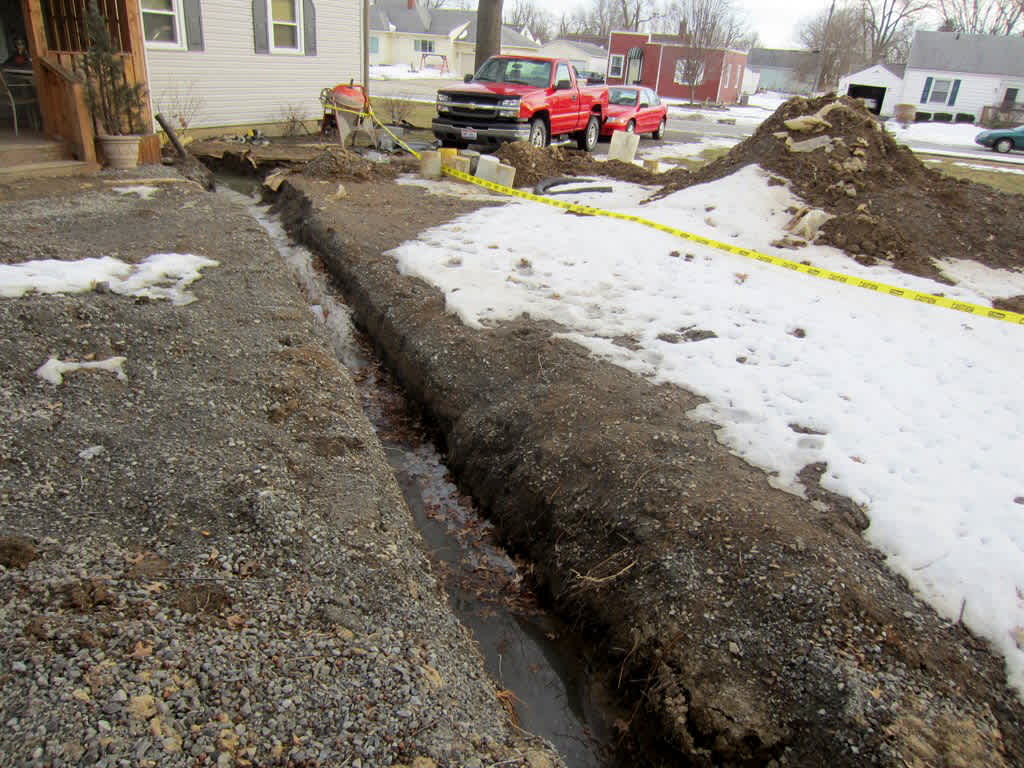
The cost to repair a main sewer line clog is about $3,110 on average. The average cost range is  $1,310 to $4,950, but it can go as low as $215 and as high as $9,300 or more. The cost factors for this repair include the severity of the clog, pipe accessibility, video inspection, removal method, permits, pipe material, labor rates in your area, and time of year. Repairs made from outside during the winter can be more difficult due to the frozen ground or during the spring if the ground is saturated from a lot of rain and snow melt.

A sewer line should be cleaned at least once every 18 to 22 months. The process takes about 30 minutes or up to 5 hours, depending on the size of the line, how easy it is to access, and how long it’s been since the previous cleaning. If your sewer line hasn’t been cleaned in a couple of years or you don’t even know the last time it’s been cleaned, it’s time to call a pro.

Toilet paper is the only material that you should flush down toilets. Other items like wipes, paper towels, feminine hygiene products, dental floss, and medications should be disposed of in the trash. Flushing these items can lead to plumbing issues and damage to sewage systems. Grease and cooking oils should also be avoided as they can solidify in pipes, causing blockages. Proper disposal helps prevent clogs and ensures the efficient operation of wastewater treatment systems while protecting the environment.

Some flushable wipes companies say they are designed to disintegrate within a few hours to a few days after being flushed. These wipes allegedly use materials that are more water-soluble than traditional wipes. However, many experts have raised concerns that even so-called "flushable" wipes do not break down as easily as claimed and can contribute to clogs and blockages in sewer systems.

To prevent plumbing and sewer problems, avoid flushing wipes, even those labeled as flushable. Instead, dispose of them in the trash. This can help prevent costly plumbing issues and reduce the strain on wastewater treatment systems.

The Centerville, IA homeowners’ guide to sewer cleaning services

From average costs to expert advice, get all the answers you need to get your job done.