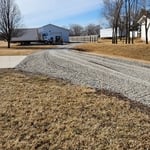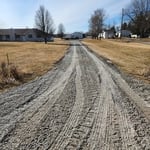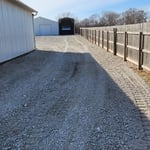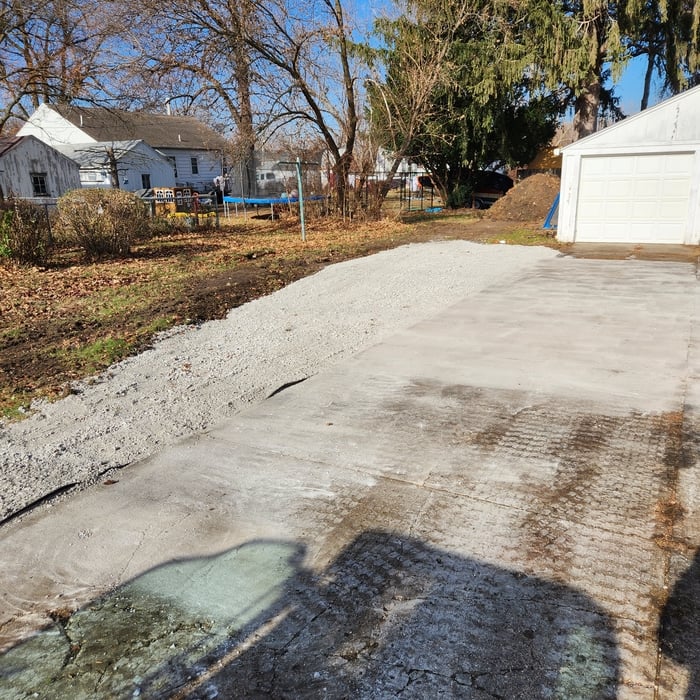



Top-rated paving pros.

Get matched with top paving pros in Chariton, IA

Enter your zip and get matched with up to 5 pros

Need a pro for your paving service project in Chariton, IA?

Select your specific project to find the pro for you.

Find Paving pros in Chariton

Avatar for Titan Excavating, LLC
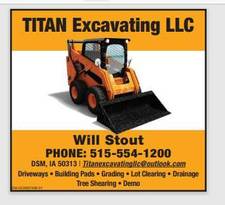
Titan Excavating, LLC
5.0(
23
)
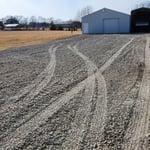
Gravel or Loose Fill Paving - Install, Spread or ScrapeAsphalt Paving - Repair or PatchAsphalt Paving - Repair or Patch - For Business

Serving Chariton, IA and surrounding areas

Approved

In business since 2020

Free estimates

Emergency services offered

"They were very informative and were spot on with their estimate. They did a very good job and did everything they said they were going to do. My wife and I were very pleased with the outcome and were very impressed with their service."
Parking
Drive
Drive
Drive
Parking

+25

Response time9 hrs
10 neighbors recently requested a quote
Recommended by84%of homeowners
Paving Services questions, answered by experts

An asphalt driveway should be at least 3 inches thick over a compacted gravel base. Areas with poor drainage should have a thicker stone base. To install a new asphalt driveway over an existing driveway, the new asphalt should be at least 2 inches thick and the existing driveway should be in relatively good condition.

While blacktop is a type of asphalt, the terms should not be used interchangeably, as not all asphalt qualifies as blacktop. The primary differences are in their composition, production process, and ideal applications. Blacktop contains more stone than other types of asphalt and is heated to a higher temperature during production—300°F or more—while hot-mix asphalt is heated to between 275°F and 300°F. The ratio of bitumen (a tar-like crude oil) is a key differentiator, though sources vary: some state blacktop has less bitumen, making it less durable, while others claim it has a higher ratio. Due to these differences, asphalt is generally more durable and better for high-traffic areas like highways and streets, while blacktop is more suitable for playgrounds and residential driveways. For a driveway project, it is best to consult a professional to determine the most appropriate material.

Maintaining a driveway depends on its material. For concrete and asphalt, it's best to clean the surface thoroughly twice a year with a stiff broom and a pressure washer to remove accumulated dirt and debris. Sealing the driveway is crucial to protect it from water damage and freeze-thaw cycles. Before applying a sealant, pressure wash the surface to remove any loose sealant, dirt, or stains, as sealing over them will trap them. Any cracks or expansion joints should be filled with a flexible polyurethane caulk or asphalt sealer. In colder climates, use sand instead of salt for de-icing. Sand helps melt snow and ice without accelerating the freeze-thaw process, which can cause cracks.

Like brick, paver, and cobblestone driveways, resin driveways can have intricate patterns using different colors. Aggregates can be laid to create curves, shapes, letters, or numbers. When using custom colors or patterns, homeowners can expect to add an extra $2 to $6 per square foot to achieve their desired look.

Asphalt and tarmac are not the same thing. Traditional tarmac, short for tarmacadam, uses tar as a binder to hold crushed stone together. Asphalt uses bitumen—a byproduct of crude oil—to bind aggregate. Though tarmac was once a go-to for roads, asphalt has become the modern standard. And these days, most surfaces referred to as “tarmac” are actually asphalt. So, while the names may overlap, the key distinction lies in the binder—tar for tarmac and bitumen for asphalt.

The Chariton, IA homeowners’ guide to paving services

From average costs to expert advice, get all the answers you need to get your job done.