



Ed Ferrier Construction LLC
Plaster - Repair
Serving Casey, IA and surrounding areas
Approved
Free estimates
Small jobs welcome
Offers commercial services
Experienced drywall and paint contractor.
1 neighbors recently requested a quote

*The Angi rating for Plaster Repair companies in Casey, IA is a rating based on verified reviews from our community of homeowners who have used these pros to meet their Plaster Repair needs.
*The HomeAdvisor rating for Plaster Repair companies in Casey, IA is a rating based on verified reviews from our community of homeowners who have used these pros to meet their Plaster Repair needs.
Last update on March 13, 2024
Serving Casey, IA and surrounding areas
Approved
Free estimates
Small jobs welcome
Offers commercial services
Experienced drywall and paint contractor.
Serving Casey, IA and surrounding areas
In business since 2014
Free estimates
Offers commercial services
"I hired them to do a full kitchen remodel and it turned out fantastic I'm very happy with the result the towel work looks great also thanks you have a customer for life!!!"

Serving Casey, IA and surrounding areas
In business since 2022
Free estimates
Emergency services offered
"Ramon did same framing and drywall in one of rooms did exceptional work and got it done quickly like he said. Would definitely recommend him to anyone !"
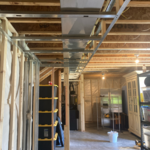
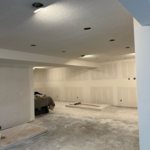
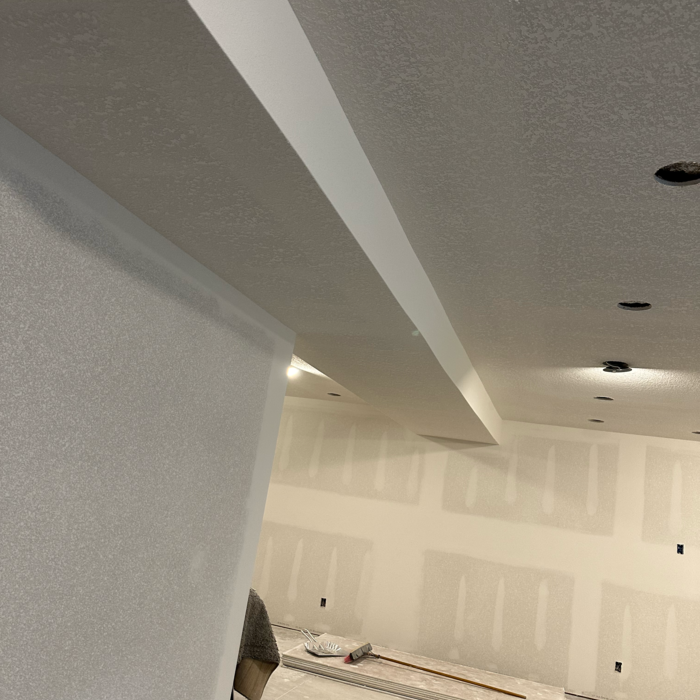
+34
Serving Casey, IA and surrounding areas
In business since 2010
Free estimates
"The workmanship was excellent. The work was completed within the time frame agreed upon as well as the price quoted. Everything was done very professionally from start to finish. I HIGHLY recommend Dave Navarro Construction for any interior remodeling. I will definitely use him again - without hesitation."
Serving Casey, IA and surrounding areas
In business since 1999
Free estimates
"Omar was prompt in getting us the estimate (the lowest price by far) and scheduling our job. He and his team were courteous and hard working. They came back for each stage of the drywalling process as soon as the prior stage had dried. The finished product was exactly what we requested with no flaws. His ceiling texture work was spot on with matching the rest of our home. They did a decent clean up job as well. Also, there were no problems with language barriers as I saw in another review."


Serving Casey, IA and surrounding areas
In business since 2019
Free estimates
Many years experience
Serving Casey, IA and surrounding areas
Free estimates
Emergency services offered
Small jobs welcome
we do drywall, window install, door install, remodeling, paint, vinyl siding. if you have anything else just ask
Serving Casey, IA and surrounding areas
In business since 2001
Free estimates
At Gepner Drywall Etc., we are your premier choice for all your general contracting and drywall needs. We have provided high quality work and friendly customer service for years. Call today!
Serving Casey, IA and surrounding areas
In business since 2011
"Having Roxy involved really brings a woman's perspective into the job ."
Serving Casey, IA and surrounding areas
In business since 2020
Free estimates
Offers commercial services
We take great pride in our experience, expertise, quality, and customer service that we provide to meet the consumer's needs. It is our mission to provide excellent workmanship and complete customer satisfaction from start to completion of a project. In order to understand the needs and expectations of our customers, we take great care to work and communicate with every customer in a professional manner. Our reputation is based on service, safety, and quality, regardless of how large or small the job. Call us today. \n
From average costs to expert advice, get all the answers you need to get your job done.
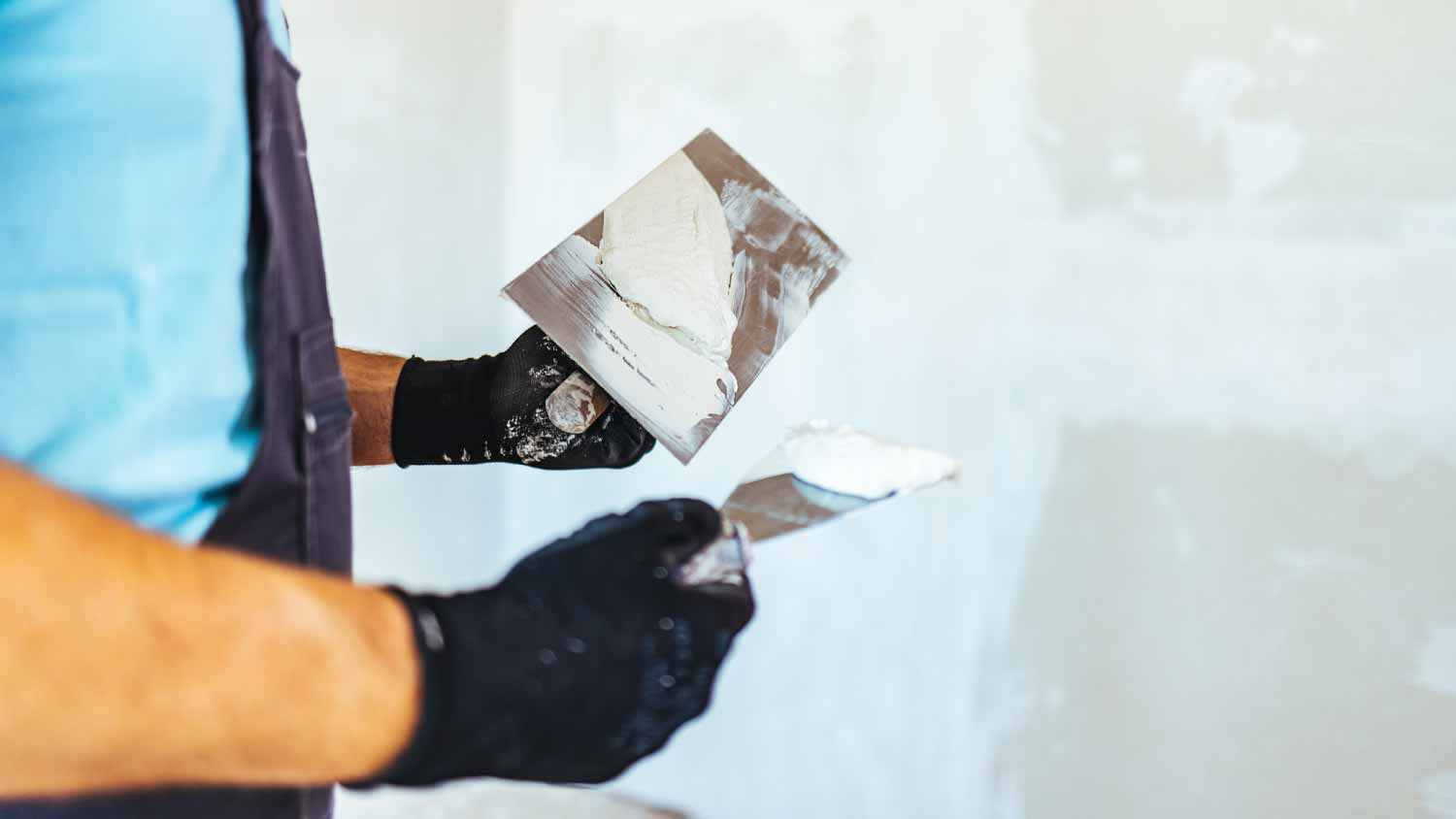
Plaster repair costs are determined by the size and type of damage. Discover why some fixes you can DIY and why some require a pro’s help.

The cost of plastering walls and ceilings depends on the room size and ceiling height. Our tips can help you estimate an accurate cost.
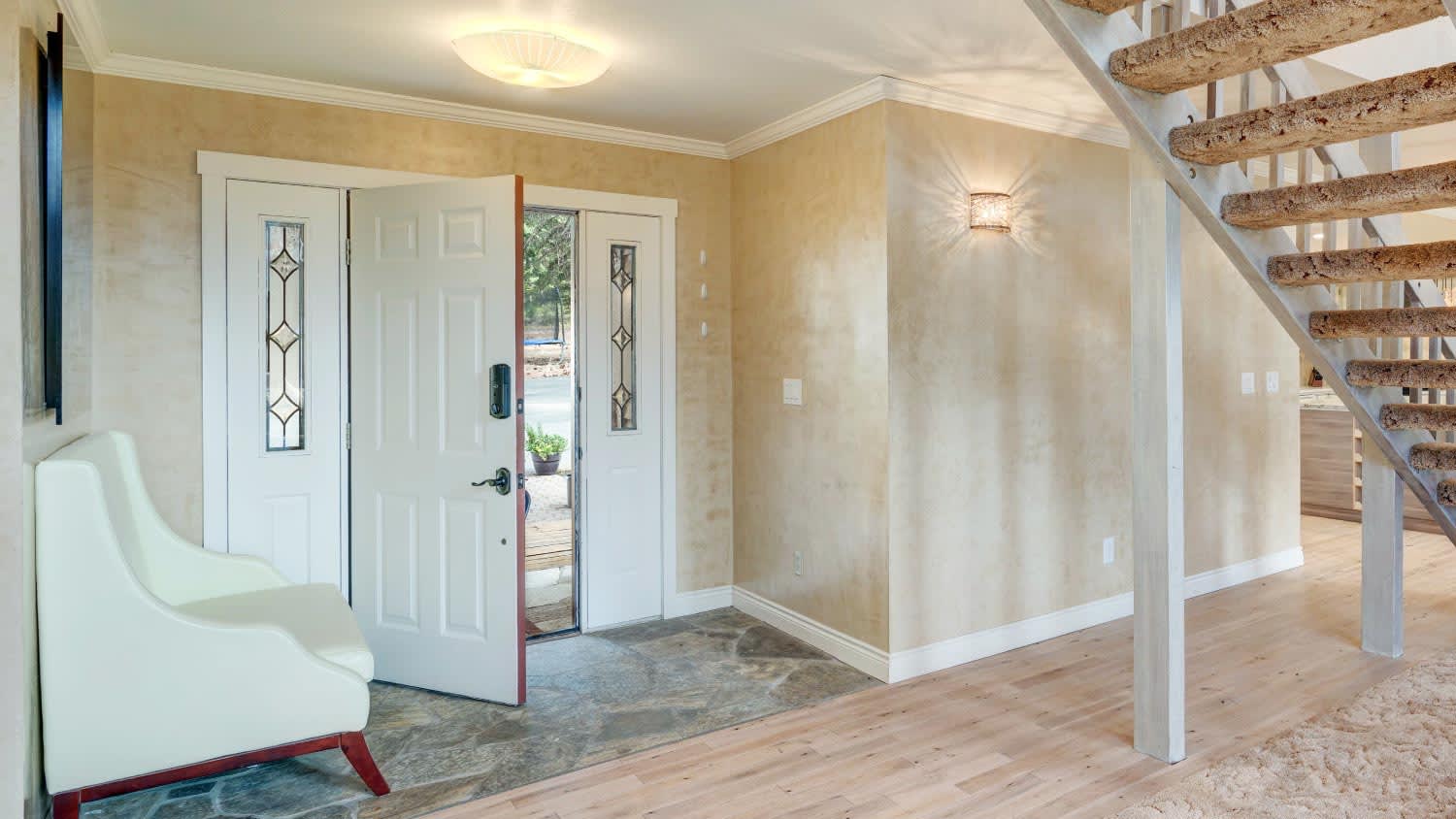
Venetian plaster can add depth and texture to your aesthetic. Learn how much Venetian plaster costs based on factors like square footage and whether you hire a pro to help.
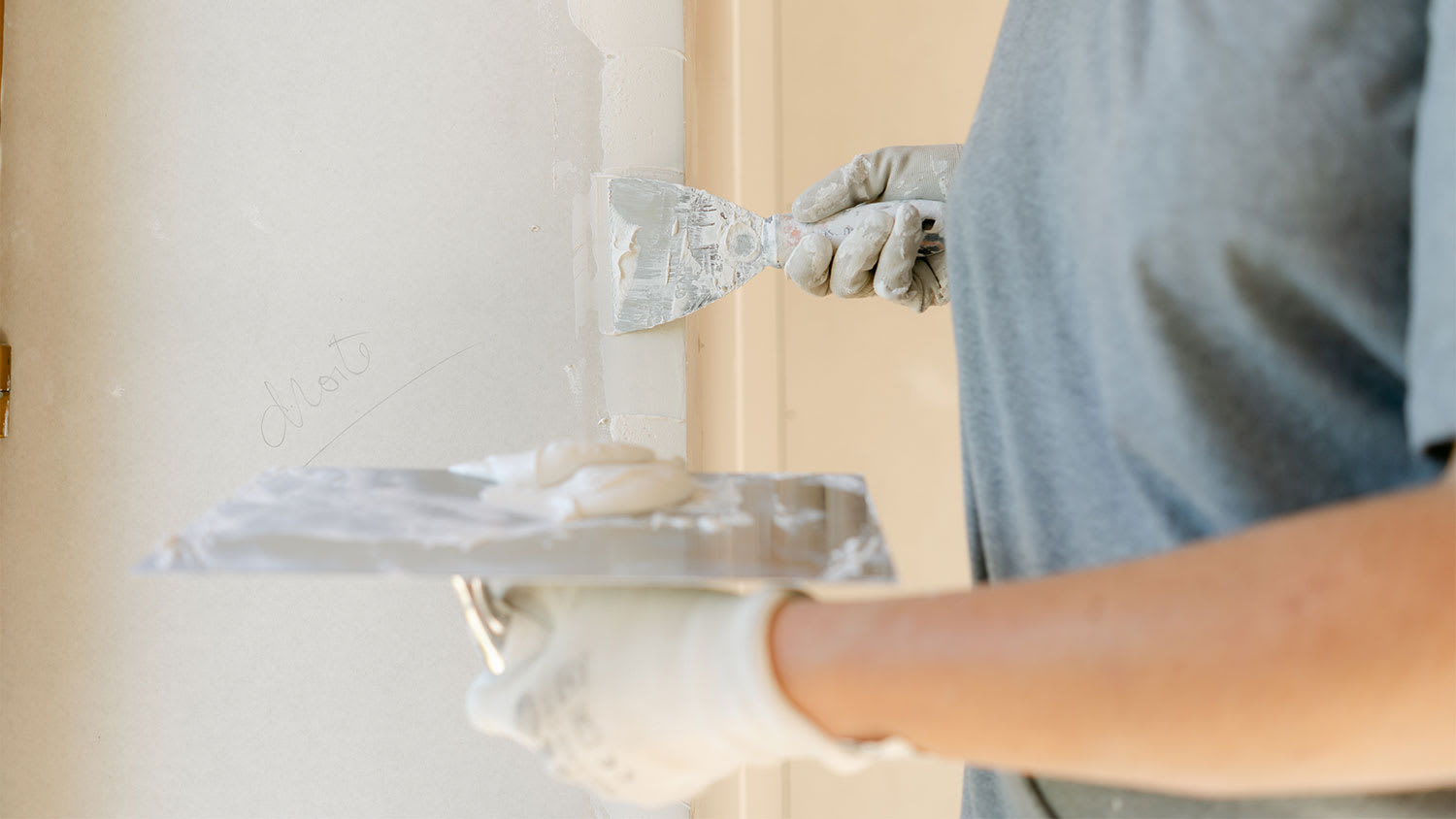
Finding a qualified plaster repair pro? Learn how to hire the right specialist, what questions to ask, and what to expect for your project.
Planning a plaster repair project? Learn about the process, average costs to expect, and how to hire the right local pro to restore your walls.

You can find plaster walls in a lot of older homes. What’s behind these walls—whether that’s lath or calcimine—can have an impact on how long they last. Finding out the age of your house can help you determine what you’re dealing with.