




Top-rated fencing pros.

Get matched with top fencing pros in Smithville, GA

Enter your zip and get matched with up to 5 pros

Need a pro for your fencing service project in Smithville, GA?

Select your specific project to find the pro for you.

TRUSTED BY SMITHVILLE, GA HOMEOWNERS

  • Average homeowner rating star icon4.5
    Average homeowner rating
  • Verified reviews icon11
    Verified fencing services reviews

Find Fencing pros in Smithville

...
Showing 1-10 of 67
Fencing questions, answered by experts

Vegetable gardens can easily become a convenient food bank for your local animal population, whether it’s squirrels stealing fruit or rabbits munching on freshly grown veggies. If you want to keep those critters out, it helps to put a fence around your vegetable garden that’s at least a couple of feet tall to deter any animals from getting past it. Just make sure your fence doesn’t interrupt the amount of sunlight your garden needs to thrive. 

The lifespan of a fence can range from 5 to 50 years, depending heavily on the material, local climate, and how well it is maintained. For example, a wooden fence might last 7 to 15 years, while a vinyl fence typically lasts 20 to 30 years. Metal, composite, and glass fences have some of the longest lifespans. Proper maintenance, such as regular cleaning, inspections, and staining or sealing for wood, is key to extending the life of any fence material. Vinyl and composite are durable options that don't require sealing.

Lattice should not touch the ground, as it creates a possibility for rot and a termite infestation. It’s best to leave a gap of 3 or 4 inches at the bottom for airflow and to keep the wood dry. You can add stones, bricks, or other decorative pieces to conceal the bottom of the lattice if desired.

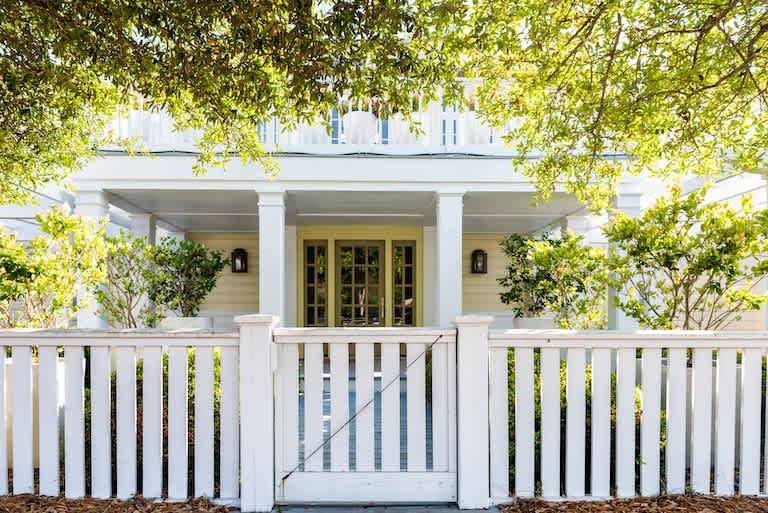
Yes, in most places. A front yard fence is allowed by local zoning laws more often than not, but it always helps to check before building just to make sure. There may be restrictions around how tall the fence can be, what it can be made from, or where it can be built.

You can keep a dog from digging under a fence by filling existing holes in your yard, installing a wire to your fence bottom, burying your fence bottom, making a designated digging spot, and removing visual stimuli. You can also dissuade your dog from wanting to dig under your fence and escape by scheduling more one-on-one playtime and ensuring they are getting enough exercise to keep them stimulated.

The Smithville, GA homeowners’ guide to fencing services

From average costs to expert advice, get all the answers you need to get your job done.