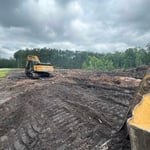


Top-rated excavation pros.

Get matched with top excavation pros in Savannah, GA

Enter your zip and get matched with up to 5 pros

Need a pro for your excavation project in Savannah, GA?

Select your specific project to find the pro for you.

TRUSTED BY SAVANNAH, GA HOMEOWNERS

  • Average homeowner rating star icon4.8
    Average homeowner rating
  • Verified reviews icon26
    Verified excavation services reviews

Find Excavation pros in Savannah

Avatar for Phillips Earthworks
Phillips Earthworks
5.0(
3
)
Excavation - Major Grading or ReslopingBuilding Site - Preparation and Clearing

Serving Savannah, GA and surrounding areas

Approved

In business since 1980

Free estimates

Small jobs welcome

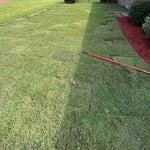
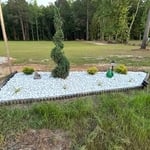
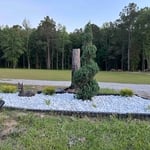
"Yes. We were very pleased with their work! Always on time. It was a big job. They were very careful to make sure everything was done to specific instructions. Always careful to make sure nothing landed wrong. Drove 51 pilings 32 feet in ground! Highly recommend this company! Also removed 6 large oak trees! Polite and professional!"
My jobs
My jobs
My jobs
My jobs
My jobs

+13

2 neighbors recently requested a quote
Avatar for BPA Land Services
BPA Land Services
5.0(
2
)
Building Site - Preparation and ClearingBuilding Site - Preparation and Clearing - For BusinessExcavation - Major Grading or Resloping+2 more

Serving Savannah, GA and surrounding areas

Approved

In business since 2025

Free estimates

Credit card accepted

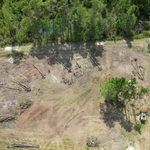
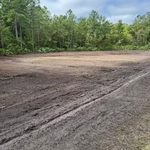
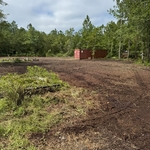
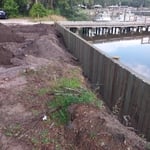
"I need to get more pictures but these guys did a great job. They flagged it and walked it with me. They helped me clear property line boundaries and created amazing shooting lanes at each stand spot. They arrive early and stay busy working and had machines that didn’t break down or get stuck like others have. I highly recommend these guys! Top notch for sure!"
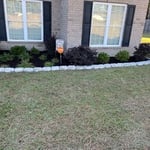
BPA Land Worksite Photos

+10

15 neighbors recently requested a quote
Avatar for Maddox Contractors Inc
Maddox Contractors Inc
New to Angi
Excavation - Major Grading or ReslopingBuilding Site - Preparation and ClearingBuilding Site - Preparation and Clearing - For Business+1 more

Serving Savannah, GA and surrounding areas

Approved

In business since 2011

Free estimates

Offers commercial services

We are a leading provider of safe and efficient services for both commercial and residential properties. Whether you need a small demolition job or a large-scale roadside mowing and vegetation removal project, we are here to help you.\n\nOur team of experienced professionals uses state-of-the-art equipment and techniques to ensure that every job is completed on time and within budget. We are committed to providing our clients with the highest level of service, and we take great pride in our workmanship.\n\n Our reputation is based on service, safety, and quality, regardless of how large or small the job. Contact us today for a FREE estimate!

Logo
2 neighbors recently requested a quote
...
Showing 1-10 of 178
Excavating questions, answered by experts

The best type of soil to build on is a mixture of sand and clay, known as loam soil. Loam soil has the best combination of these soil types to build a foundation on. The clay particles help with water retention, so it won’t erode like sandy soil might, and the sandy particles help with drainage, so you won’t see unsafe soil expansion or have an increased risk of leaks from water sitting against your foundation.

Yes, you can install a trench drain if you already have concrete in your yard or garden. While it can complicate some aspects of the job and slightly run up the cost, it is doable. Residential trench drains can be easily retrofitted to outdoor areas with concrete without having to remove excessive amounts of your patio, pool area, or decorative walkways.

Consultation with the local government helps identify necessary permits, avoid project delays or legal issues, and protect project integrity.

No, fire blight does not survive free in the soil but instead is carried through insects, animals, rain, or wind during the spring. Keep in mind that it can also spread on tools, which is why you should always disinfect them in between cuts.

Septic drain lines (or leach lines) are typically buried between 18 and 36 inches underground, and should be at least 6 inches below the surface. These pipes are perforated and surrounded by filtering materials like sand or gravel. Burying the lines at this depth helps minimize odors and allows bacteria and other biological processes in the soil to effectively treat the wastewater. Burying lines too close to the surface can cause issues unless the soil is very compact and stable.

The Savannah, GA homeowners’ guide to excavation services

From average costs to expert advice, get all the answers you need to get your job done.