



R&M Services
Wood Fence - Repair
Serving Putney, GA and surrounding areas
Approved
Free estimates
Warranties offered
Small jobs welcome
"Very professional. Painted an outdoor shed quickly and did a great job!"
1 neighbors recently requested a quote

 4.7
4.7  20
20 *The Angi rating for Fencing Service companies in Putney, GA is a rating based on verified reviews from our community of homeowners who have used these pros to meet their Fencing Service needs.
*The HomeAdvisor rating for Fencing Service companies in Putney, GA is a rating based on verified reviews from our community of homeowners who have used these pros to meet their Fencing Service needs.
Last update on July 04, 2026
Serving Putney, GA and surrounding areas
Approved
Free estimates
Warranties offered
Small jobs welcome
"Very professional. Painted an outdoor shed quickly and did a great job!"
Serving Putney, GA and surrounding areas
In business since 1985
Free estimates
Offers commercial services
"Very knowledgeable and the best customer service of anybody that has done work for me in years. I Highly recommend them!!!"
Serving Putney, GA and surrounding areas
In business since 2015
Free estimates
Credit card accepted
"They were very friendly & helpful & answered all my questions!! They did really good work, I am very pleased with the repair & the worker were very polite, & friendly!! I would recommend them to anyone who might need a repair on there wooden fence or even wanted to put up a fence!!! Highly recommend!!"
Serving Putney, GA and surrounding areas
In business since 2018
Free estimates
"Just that they were on time, They kept me informed, And they just did a wonderful job, in a timely manner.Would recommend to everyone."
+1

Serving Putney, GA and surrounding areas
In business since 2009
"He's very responsive and very good at communicating throughout the project. He's very helpful and I'll continue to use him on future projects."



+386

Serving Putney, GA and surrounding areas
In business since 2003
Free estimates
Emergency services offered
"We received great service and love our new fence."



+21
Serving Putney, GA and surrounding areas
In business since 2020
Free estimates
Credit card accepted
"They came out the same day to provide a quote and began the job shortly after. They did the job as agreed. I will use this company again."

Serving Putney, GA and surrounding areas
In business since 2005
Free estimates
Emergency services offered
"Our yard looks great! Mr. Newsome and his workers were efficient, polite, and respectful. They worked steadily and did an outstanding job!"


Serving Putney, GA and surrounding areas
In business since 1999
Free estimates
Emergency services offered
"they did a good job."
Serving Putney, GA and surrounding areas
In business since 2008
Free estimates
Credit card accepted
"J and C Fence Company did a great job. They were friendly, knowledgeable, and and helpful. They completed job in a timely manor."
From average costs to expert advice, get all the answers you need to get your job done.
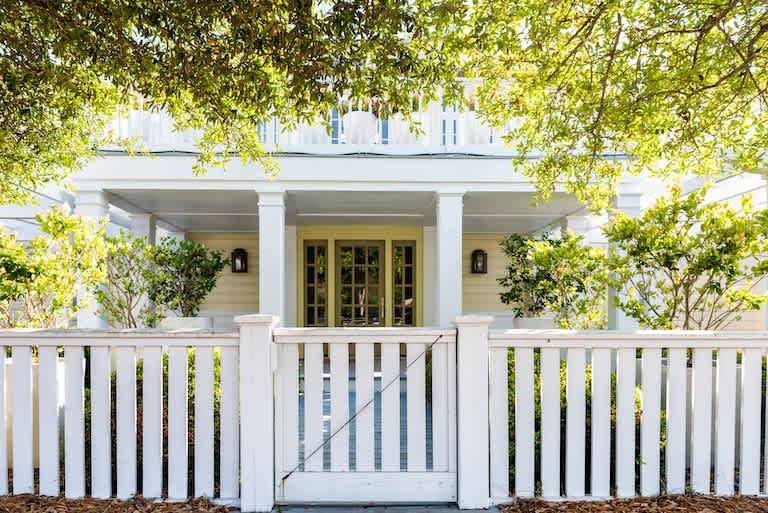
A new fence adds privacy, improves safety, and even boosts curb appeal. But how much does fence installation cost? Find out in this guide.

Chain-link fences are among the most affordable options available. Use this chain link fence cost guide to see what your fence installation will total.
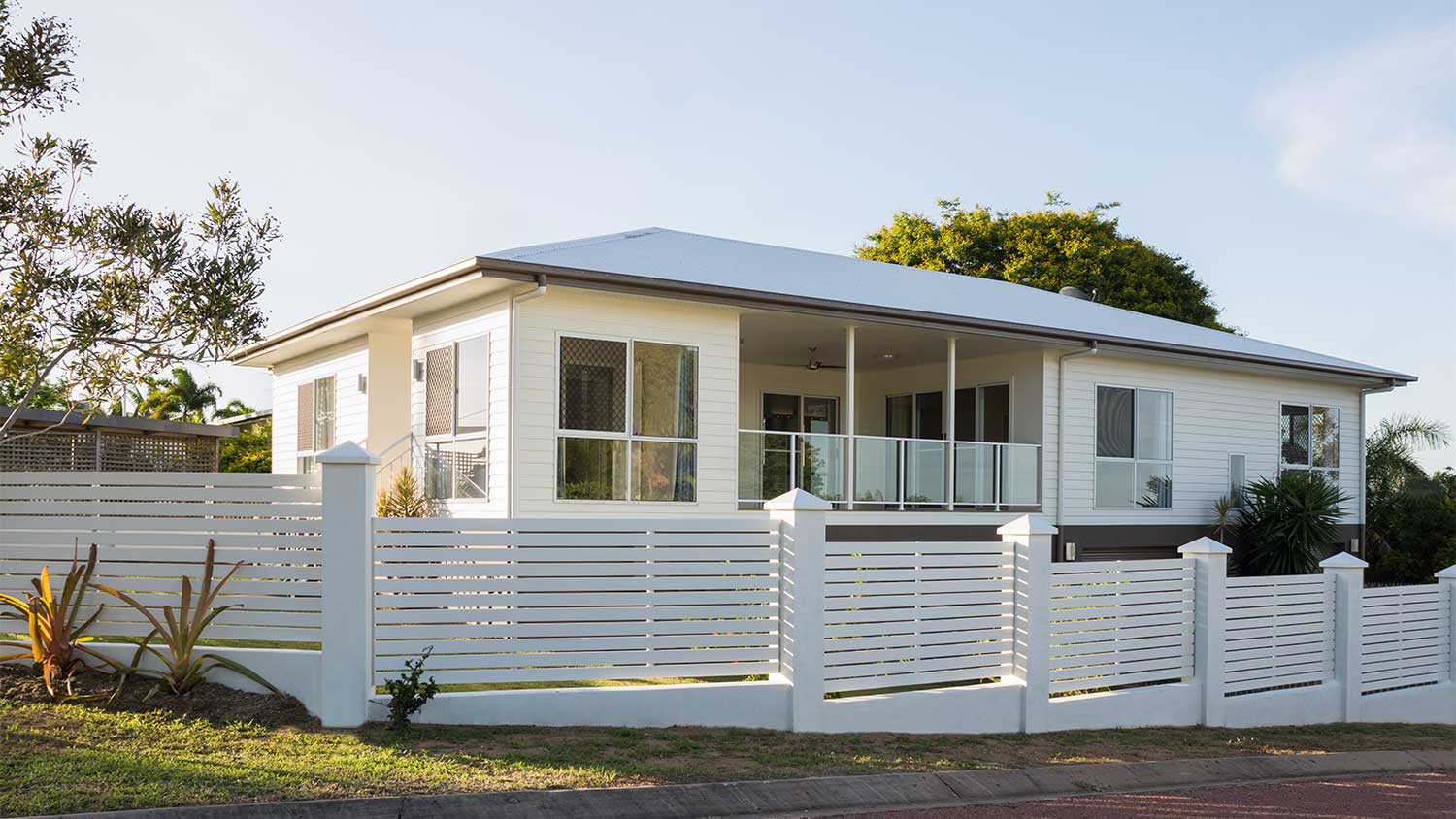
Fence repair costs depend on the extent of damage, your fence's material, and how much of the fence you need to fix. Explore all the price factors in this guide.

Fences make great neighbors. Here's how to choose the right types of fences for privacy and security in your yard.

There are a lot of different types of farm fencing. Find the one that’s right for your property with our handy guide.
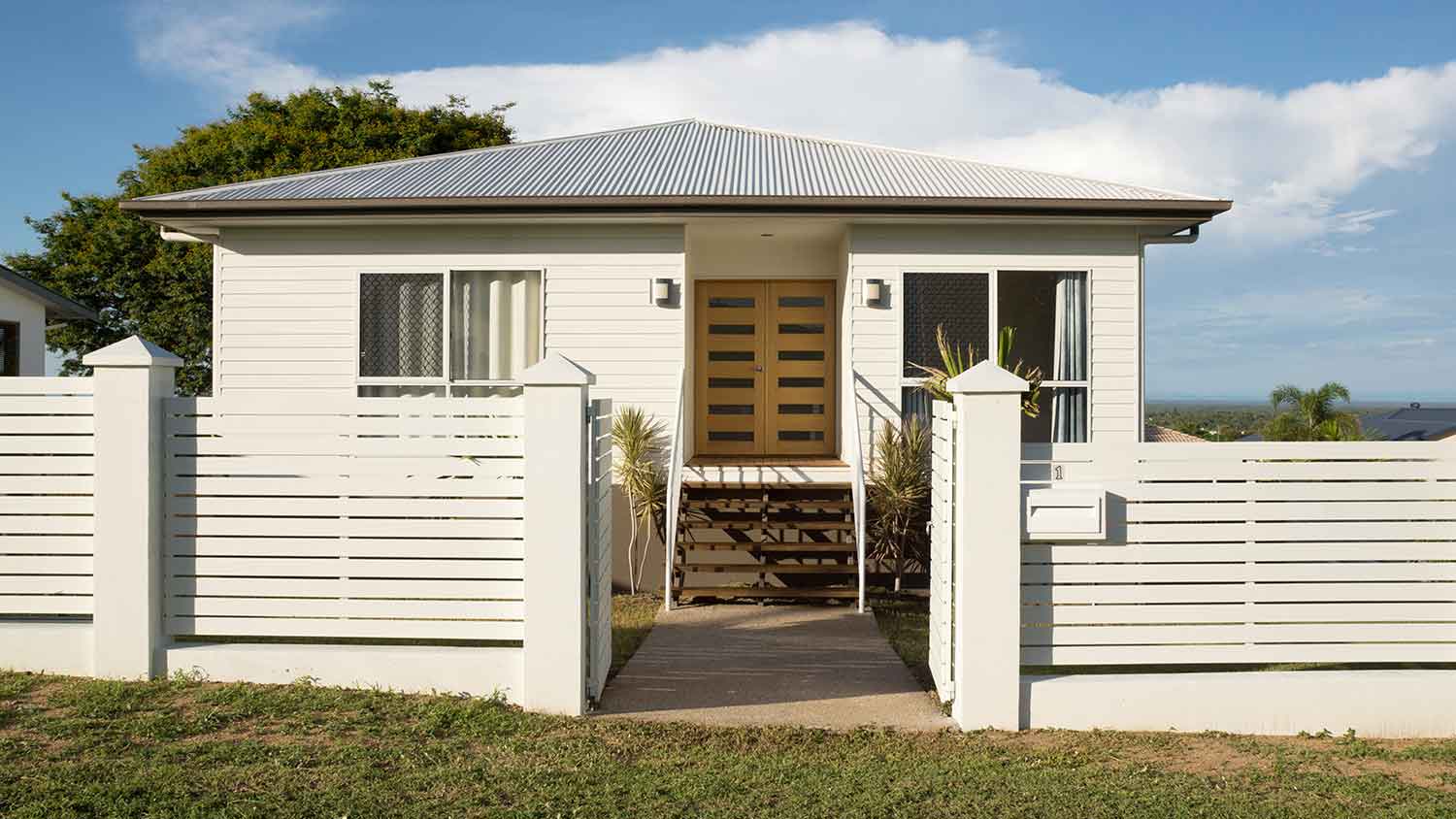
Looking for a way to increase privacy at home without taking on extra chores? Learn about the best low-maintenance fence options.