



Top-rated excavation pros.

Get matched with top excavation pros in Newton, GA

Enter your zip and get matched with up to 5 pros

Need a pro for your excavation project in Newton, GA?

Select your specific project to find the pro for you.

Find Excavation pros in Newton

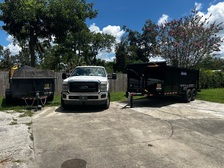
B’s Home Renovation & Decks
New to Angi
Landscape - Minor Grading or Resloping

Serving Newton, GA and surrounding areas

Approved

Free estimates

Emergency services offered

Warranties offered

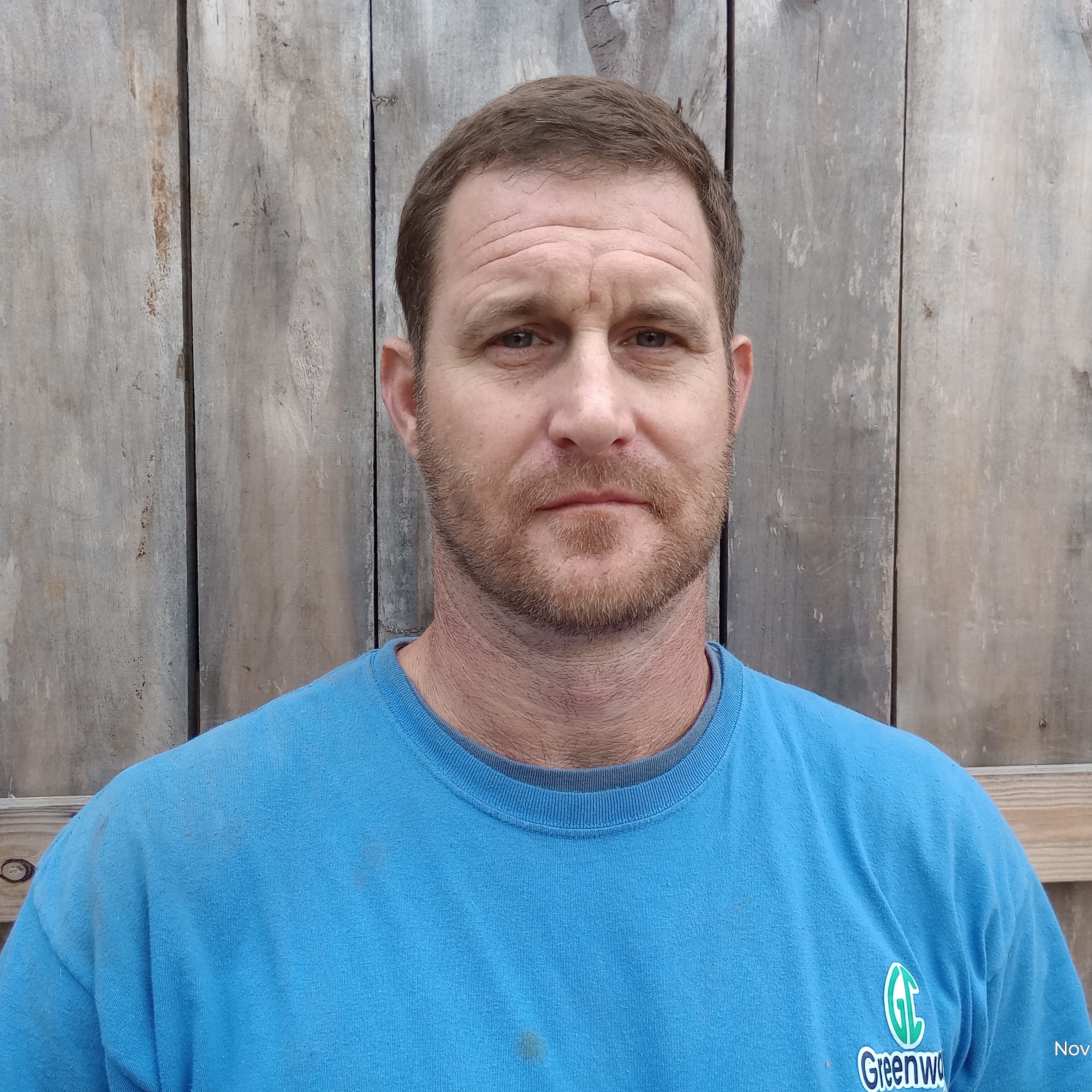
Hello, My name is Brad Phillips. I own B’s Home Renovation and Decks. Me and my wife have five beautiful children that we cherish and adore. We provide a good foundation morally and instill financial responsibility and trust. \n\nOur business is our livelihood. With that being said we are here to please the clients that choose B’s for their Reno Project. The trust it takes for people to allow us access into their homes is massive. We take that very seriously here. We won’t take a project on unless we are confident we can please our homeowners. Our mission is to provide services that exceed expectations. In today’s world this is hard to come by but we strive everyday for excellence. \n\nAt B’s we can install and repair metal roofing. Repair shingle roofing. Repair leaking roof. Build decks. Install pole barns. Install flooring. Tear out and replace flooring. Paint interior or exterior of home. Paint newly installed concrete or refinish old. Remodel bathrooms. Install kitchen cabinets.

1 neighbors recently requested a quote
...
Showing 1-10 of 74
Excavating questions, answered by experts

Most professional excavation teams will charge between $8 and $15 per cubic yard. Calculate the cost by finding the volume of your pool—width x length x depth—and dividing it by 27. Then, multiply the price by the cubic yards from your equation. Budget for complications like a rocky lawn, hard-to-access pool area, or high local labor prices.

Landscape edging is more DIYable than trenching. You can DIY your own digging projects, but proceed carefully and only with proper knowledge of the equipment and appropriate safety measures in place. Keep in mind the project's scope and estimate how long it will take you to do it on your own. While you can certainly save money by DIYing home improvement projects, you can’t exactly hide an unfinished—or worse, ruined— landscaping job from the neighbors. It’s always safer to call an excavation pro near you to get an estimate.

The best type of soil to build on is a mixture of sand and clay, known as loam soil. Loam soil has the best combination of these soil types to build a foundation on. The clay particles help with water retention, so it won’t erode like sandy soil might, and the sandy particles help with drainage, so you won’t see unsafe soil expansion or have an increased risk of leaks from water sitting against your foundation.

Water lines are buried at various depths, depending on the type of line. For example, most sprinkler lines are buried between four and 12 inches underground. On the other hand, water mains usually sit between one and 3 feet below ground. However, they can go even deeper in cold climates to prevent freezing.

Concrete blocks are the cheapest way to base a shed. However, the space in between allows critters to go under, burrow, and even damage your shed’s frame. For a more pest-proof option, consider building a shed base with gravel or paver stones. Both options are fairly affordable and easy enough for a DIY project. For gravel, you can build a wooden frame to contain the loose material.

The Newton, GA homeowners’ guide to excavation services

From average costs to expert advice, get all the answers you need to get your job done.