



Top-rated excavation pros.

Get matched with top excavation pros in Sylvester, GA

Enter your zip and get matched with up to 5 pros

Need a pro for your excavation project in Sylvester, GA?

Select your specific project to find the pro for you.

Find Excavation pros in Sylvester

Avatar for Manicured Tree Services
Manicured Tree Services
4.8(
6
)

Serving Sylvester, GA and surrounding areas

In business since 2014

Free estimates

Emergency services offered

"Korey and his team were very professional and went above and beyond in taking care of our clean-up needs after Hurricane Helene. I give their company my highest recommendation."
Tree Removal
Tree Removal
Tree Removal
Tree Removal
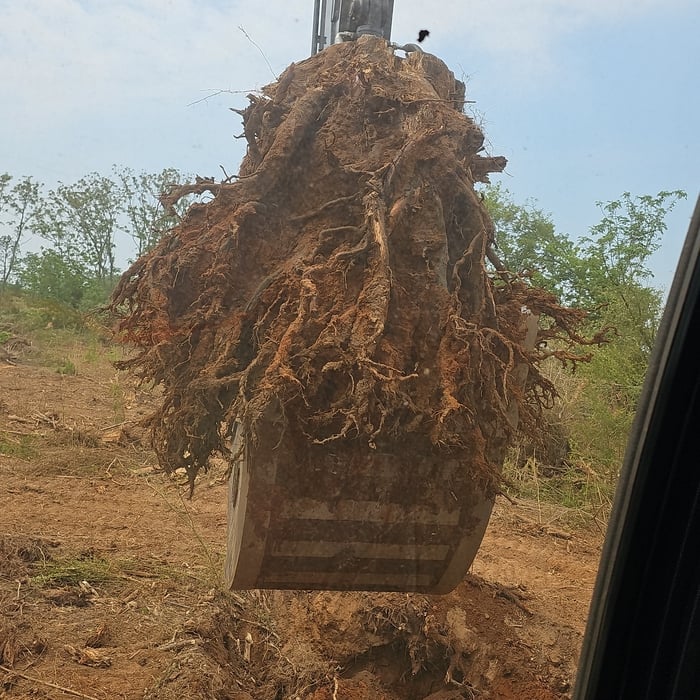
Rootball Removel

+9

Response time2 hrs
Recommended by100%of homeowners
...
Showing 1-10 of 77
Excavating questions, answered by experts

No, you typically cannot use metal detectors to find your sewer line. Most sewer lines are made of non-metallic materials such as PVC, clay, or cast iron, which are not detectable by standard metal detectors. Metal detectors are designed to locate metallic objects, so they won't be effective for identifying the path of a non-metallic sewer line. To locate your sewer line accurately, it's best to use other methods.

Generally, a trenchless sewer line is worth the cost. If your old system needs replacement, trenchless sewer repair or replacement can save you thousands on excavation costs. Every homeowner’s situation is different, but this method is definitely worth it in a lot of cases.

Prior to excavation, you should prepare the dig site and call 311 before you sign anything.

To get your site ready for excavation, you should move anything in the area that isn’t affixed to the land. You can save money on the excavation by removing hardscaping, including walkways, decks, concrete patios, and paver patios.

Before you carry out any digging, you should call 311 to confirm that there are no utility lines running through your excavation site. Skipping this step could lead to severe injury and property damage if your excavator hits a water, sewage, or gas line.

A joint utility trench, or joint trench, is a long, buried ditch on a property that contains two or more utility lines rather than running the lines in multiple trenches. Some utilities, like gas and electric or electric and communication lines, are better suited to joint trenching, while others, like water and sewer, are not allowed to be in the same trench.

Hard soil could be a sign of overly dry dirt, either from poor drainage or drought. It's important to test the nutrient levels, density, and drainage capacity of your soil to see if it's absorbing water properly. Begin by adding a light layer of water and observing how long the soil retains moisture. If you experience a good deal of runoff, you may need to aerate your lawn, apply a wetting agent, or hire a professional for a closer look.

The Sylvester, GA homeowners’ guide to excavation services

From average costs to expert advice, get all the answers you need to get your job done.