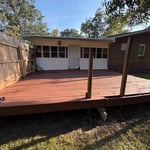






Top-rated excavation pros.

Best excavation pros near Colquitt, GA

Enter your zip and get matched with up to 5 pros

Need a pro for your excavation project in Colquitt, GA?

Select your specific project to find the pro for you.

Top-Rated Excavation pros in Colquitt - Updated Nov 2026

B’s Home Renovation & Decks
New to Angi
Landscape - Minor Grading or Resloping

Serving Colquitt, GA and surrounding areas

Approved

Free estimates

Emergency services offered

Warranties offered

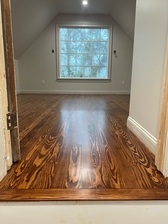
Hello, My name is Brad Phillips. I own B’s Home Renovation and Decks. Me and my wife have five beautiful children that we cherish and adore. We provide a good foundation morally and instill financial responsibility and trust. \n\nOur business is our livelihood. With that being said we are here to please the clients that choose B’s for their Reno Project. The trust it takes for people to allow us access into their homes is massive. We take that very seriously here. We won’t take a project on unless we are confident we can please our homeowners. Our mission is to provide services that exceed expectations. In today’s world this is hard to come by but we strive everyday for excellence. \n\nAt B’s we can install and repair metal roofing. Repair shingle roofing. Repair leaking roof. Build decks. Install pole barns. Install flooring. Tear out and replace flooring. Paint interior or exterior of home. Paint newly installed concrete or refinish old. Remodel bathrooms. Install kitchen cabinets.

...
Showing 1-10 of 72
Excavating FAQs, answered by experts

If you don’t wish to dig it out and convert it into a finished basement, you can still encapsulate your crawl space to protect it from damage for an average cost of $5,500. Finishing a crawl space beyond this isn’t really worthwhile, as the low ceilings mean you won’t be able to use the area as living space.

You can dig 60 to 80 linear feet by hand per day depending on the depth. Digging a 100-foot trench by hand will take you two work days, but it can take longer if you have heavy or rocky soil. If you’re digging a deep trench or one that’s over 100 feet, consider renting a mechanical trencher, such as a walk-behind or ride-on, or calling a pro for help. 

The best method for digging a trench depends on the scope of the project. For a short, shallow trench (less than 2 feet deep) in light, soft soil, digging by hand may be sufficient. However, digging by hand is labor-intensive, so consider the effort required. A machine trencher is the better option for longer trenches (over 100 feet), deeper ones, or when dealing with difficult soil conditions, such as rocky or hard ground, or obstructions like tree roots. A machine can save significant time and energy in these situations.

There is no standard depth for burying a septic tank; they are typically buried anywhere from 4 inches to 4 feet underground. The final depth depends on several factors, including the depth of your main sewer line, the height of the bedrock, soil type, local regulations, and the property's landscape. If you plan to grow grass or plants over the tank, a depth of at least 4 to 6 inches is recommended. Deeper tanks can be more difficult to locate, but a septic professional can help find it for you.

Downspouts should be buried at least 5 to 10 feet away from your foundation. This can vary depending on your local building codes, soil type, and property slope. The main goal is to ensure water is directed away from your foundation.

The Colquitt, GA homeowners’ guide to excavation services

From average costs to expert advice, get all the answers you need to get your job done.