







Top-rated septic tank pros.

Best septic tank pros near Nahunta, GA

Enter your zip and get matched with up to 5 pros

Need a pro for your septic tank service project in Nahunta, GA?

Select your specific project to find the pro for you.

Top-Rated Septic tank pros in Nahunta - Updated Nov 2026

Avatar for Diverse Land Services
Diverse Land Services
3.9(
4
)
Septic System - Install or ReplaceSeptic System - Install or Replace - For BusinessSeptic System - Repair+1 more

Serving Nahunta, GA and surrounding areas

In business since 2020

Free estimates

Small jobs welcome

We pride our company on reliability, great communication, integrity, and quality work. We are experts in our trade and will do our best to keep you as educated as we can on your particular task or project. We look forward to earning your business!

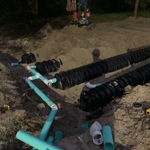
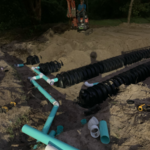
New Eljen septic system
Response time9 hrs
Recommended by75%of homeowners
Satilla Septic - Septic Tank Service - Waycross, Georgia - 66 photos Facebook
New to Angi
Septic Tank - Clean or Pump Out

Serving Nahunta, GA and surrounding areas

In business since 2018

Free estimates

Credit card accepted

With over 6 years experience in the septic industry, Satilla Septic, LLC is your industry expert in Ware County and the surrounding areas. We pride ourselves on our extreme professionalism and attention to detail. Our customer satisfaction guarantee will assure you that we will not leave your property until you are completely satisfied with our work. As a family owned and operated business you can trust we will treat your home as we would treat our own. Give us a call today! We look forward to working with you!

Response time40 mins
Response rate100%
Septic Tanks FAQs, answered by experts

A properly installed and maintained septic drain field (also known as a leach field) can last up to 50 years, though the average is around 20 years. However, factors like poor soil conditions, heavy usage, or improper maintenance can significantly shorten its lifespan to 15-20 years.

To extend the life of your drain field:

  • Schedule Regular Inspections: Have the entire septic system, including the drain field, inspected every two to five years to catch problems early.

  • Protect the Area: Avoid driving heavy vehicles or placing heavy structures over the drain field. Plant only grass or other lightweight vegetation with shallow roots over the area.

  • Maintain the Septic Tank: Proper care of the septic tank, including regular pumping and avoiding harmful chemicals, prevents strain on the drain field.

Be aware of signs of failure, such as strange odors, standing water, or unusually lush grass over the field, which indicate your system may need professional attention.

When your septic system is failing, you’ll probably smell it. Common signs of a septic system failure include sewage odors in the home or around the yard, flooding in the yard above the septic tank or in the leach field, and wastewater or even raw sewage backing up into your home’s drains.

Septic drain fields should be at least 10 feet from the property line, though exact requirements vary by location. Some areas may require further distances, such as 25 feet or more, depending on soil conditions and local health regulations. This extension ensures proper wastewater absorption and prevents contamination of neighboring homes.

The size of your septic tank plays a role in determining the proper size of the drain or leach field. As a general rule, you should have 1 square foot of drain field size per gallon of septic tank capacity. However, you could install a leach field that’s as much as 2.5 square feet per gallon of septic tank capacity. Most professionals determine the right septic tank size and drain field size by the number of bedrooms in the house. A three-bedroom house needs a minimum 1,000-gallon septic tank, for example.

While dry wells can be effective for managing rainwater, they have several disadvantages. They can become clogged with sediment, especially after large storms, which reduces their effectiveness and can be difficult to clean. Dry wells are also not suitable for all soil types; they will not function properly in soil with low permeability. Additionally, if a dry well is not large enough to handle the amount of rainfall in your area, it can overflow. For gravity-flow models, the water may disperse very slowly, depending on the well's depth and the soil's permeability.

The Nahunta, GA homeowners’ guide to septic tank services

From average costs to expert advice, get all the answers you need to get your job done.