

Top-rated drywall pros.

Get matched with top drywall pros in Montezuma, GA

Enter your zip and get matched with up to 5 pros

Need a pro for your drywall service project in Montezuma, GA?

Select your specific project to find the pro for you.

Find Drywall pros in Montezuma

Angel Remodeling Construction
4.3(
2
)
Drywall - Install - For BusinessDrywall - Repair - For Business

Serving Montezuma, GA and surrounding areas

Approved

In business since 2005

Free estimates

Offers commercial services

We take great pride in our experience, expertise, quality, and customer service that we provide to meet the consumers' needs. It is our mission to provide excellent workmanship and complete customer satisfaction from start to completion of a project. To understand the needs and expectations of our customers, we take great care to work and communicate with every customer in a professional manner. Our reputation is based on service, safety, and quality, regardless of how large or small the job.

Response time1 day
Response rate92%
Recommended by100%of homeowners
Harry B
New to Angi
Drywall - InstallDrywall - Repair

Serving Montezuma, GA and surrounding areas

Approved

Reliable and detail-oriented contractor providing high-quality home repair and improvement services. I specialize in a wide range of tasks including general repairs, installations, maintenance, and small to medium renovation projects. My goal is to deliver dependable workmanship, clear communication, and honest service on every job, whether it’s a quick fix or a larger project.\n\nI take pride in treating every home with care and ensuring the work is done right the first time. Punctual, professional, and committed to customer satisfaction, I focus on practical solutions that keep your home in good shape!

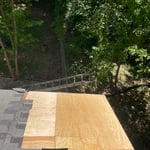
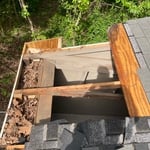
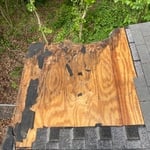
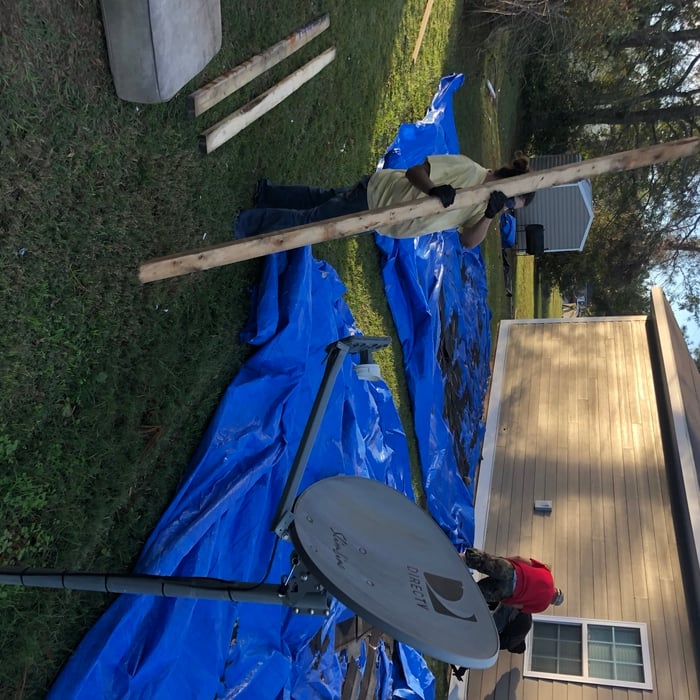
Roof rot repair
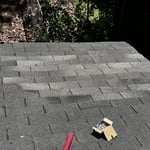
Roof rot repair
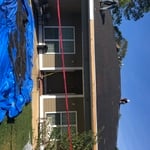
Roof rot repair
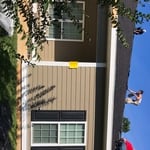
Roof rot repair
...
Showing 1-10 of 100
Drywall questions, answered by experts

The two most common drywall thicknesses for ceilings are 1/2-inch and 5/8-inch. For most standard residential applications, 1/2-inch drywall is sufficient and widely used. It provides adequate support and is lighter and easier to handle during installation compared to thicker sheets. However, 5/8-inch drywall is often used for specific cases where additional benefits are needed. It is heavier but provides superior sound dampening and fire resistance. You should consider using 5/8-inch drywall for ceilings in commercial buildings, between a garage and a living space, or above a finished basement to meet building codes or for enhanced soundproofing.

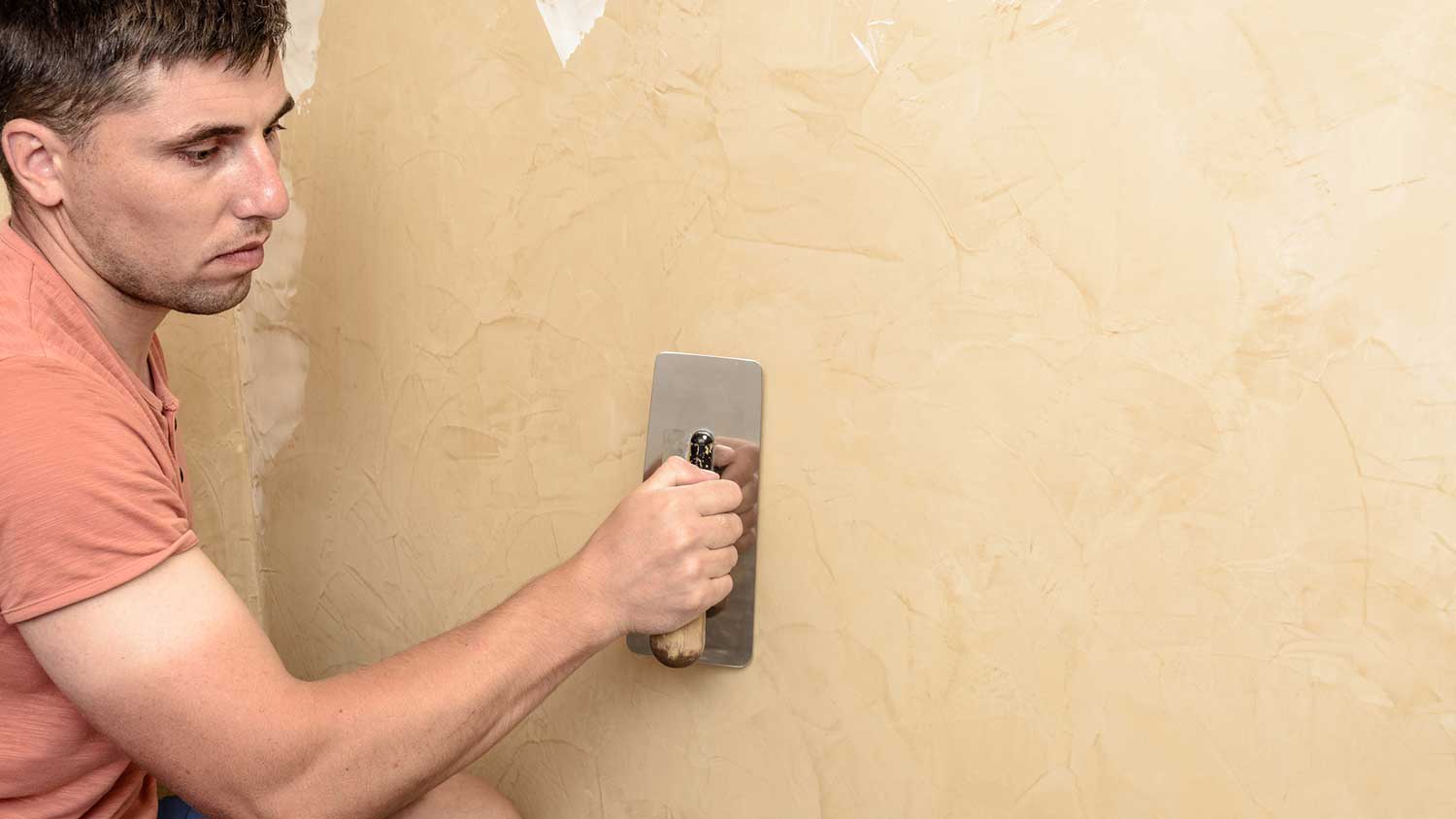
The best tool for skim coating drywall is a skim coating blade, which can smooth out joint compound in wide stretches. While you could use a smaller drywall knife for skim coating, the smaller size means it’ll take longer to smooth out each section. Instead, consider investing in a skim coating blade for the quickest application.

Wall anchors are suitable for drywall and plaster walls, which are common in most homes. However, different wall materials may require specialized anchors. For concrete or masonry walls, you'd typically use concrete anchors. When dealing with other wall types, such as brick or tile, specific anchors designed for those materials may be necessary. Always consult with a hardware specialist or check the manufacturer's recommendations to ensure you select the appropriate anchors for your specific wall type.

You do not need to drywall over most types of garage insulation. However, doing so can increase noise reduction, make the space more attractive, and keep children and pets from touching harmful fiberglass insulation. If you’re using cellulose or some other type of blown-in insulation (fiberglass and mineral wool are common), you will need drywall to contain the insulation material.

Plastering and skimming are two different techniques for finishing walls. Plastering involves applying a thick layer of a plaster mixture—typically containing gypsum, lime, cement, sand, and water—to create a new surface. This process often requires multiple coats and is used for repairing significant damage or creating decorative textures. Skimming, on the other hand, is a technique that involves applying a thin layer of drywall compound or joint compound over an existing surface to smooth it out, covering minor imperfections, small cracks, or uneven textures for a polished look. Plastering is generally more costly and labor-intensive than skimming. Although some people use the terms interchangeably, they refer to different processes and materials.

The Montezuma, GA homeowners’ guide to drywall services

From average costs to expert advice, get all the answers you need to get your job done.