




Top-rated drywall pros.

Get matched with top drywall pros in Butler, GA

Enter your zip and get matched with up to 5 pros

Need a pro for your drywall service project in Butler, GA?

Select your specific project to find the pro for you.

Find Drywall pros in Butler

Angel Remodeling Construction
4.3(
2
)
Drywall - Install - For BusinessDrywall - Repair - For Business

Serving Butler, GA and surrounding areas

Approved

In business since 2005

Free estimates

Offers commercial services

We take great pride in our experience, expertise, quality, and customer service that we provide to meet the consumers' needs. It is our mission to provide excellent workmanship and complete customer satisfaction from start to completion of a project. To understand the needs and expectations of our customers, we take great care to work and communicate with every customer in a professional manner. Our reputation is based on service, safety, and quality, regardless of how large or small the job.

Response time1 day
Response rate92%
Recommended by100%of homeowners
Harry B
New to Angi
Drywall - InstallDrywall - Repair

Serving Butler, GA and surrounding areas

Approved

Reliable and detail-oriented contractor providing high-quality home repair and improvement services. I specialize in a wide range of tasks including general repairs, installations, maintenance, and small to medium renovation projects. My goal is to deliver dependable workmanship, clear communication, and honest service on every job, whether it’s a quick fix or a larger project.\n\nI take pride in treating every home with care and ensuring the work is done right the first time. Punctual, professional, and committed to customer satisfaction, I focus on practical solutions that keep your home in good shape!

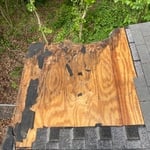
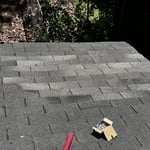
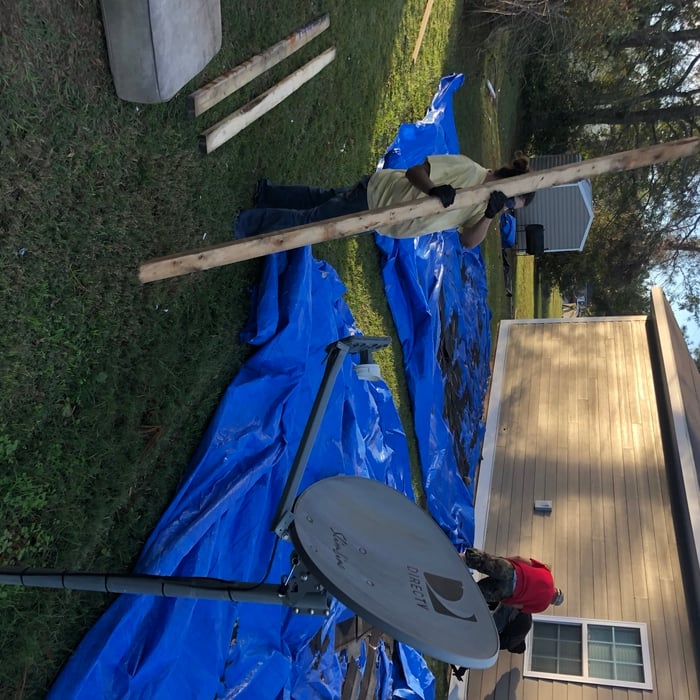
Roof rot repair
Roof rot repair
Roof rot repair
Roof rot repair
Avatar for Dependable Drywall and Tile
Dependable Drywall and Tile
4.1(
44
)
Drywall - InstallDrywall - Install - For BusinessDrywall - Repair+1 more

Serving Butler, GA and surrounding areas

In business since 2001

Free estimates

Emergency services offered

"Excellent work.......Richard called on Saturday and came out on Sunday to install grab bars in my husband s shower.....He had a stroke and was in need of these quickly. He came to the aid of a 27 year veteran on Memorial Day Weekend.....you couldn't ask for better service. Thank you Richard"
Plumbing Project
Plumbing Project
Plumbing Project
Additional Photos
Additional Photos

+28

Response time1 day
Recommended by73%of homeowners
...
Showing 1-10 of 85
Drywall questions, answered by experts

Drywall can be installed directly on ceiling joists. In fact, this method is common in many construction projects. Drywall sheets are attached to the joists using screws, ensuring a secure and stable installation. Before attaching the drywall, it's important to mark the joist locations on the ceiling, allowing for accurate screw placement. Proper spacing between screws and careful taping and mudding of joints are crucial to creating a smooth and flawless ceiling surface. If the joists are in good condition and level, installing drywall directly on them is a practical and efficient approach.

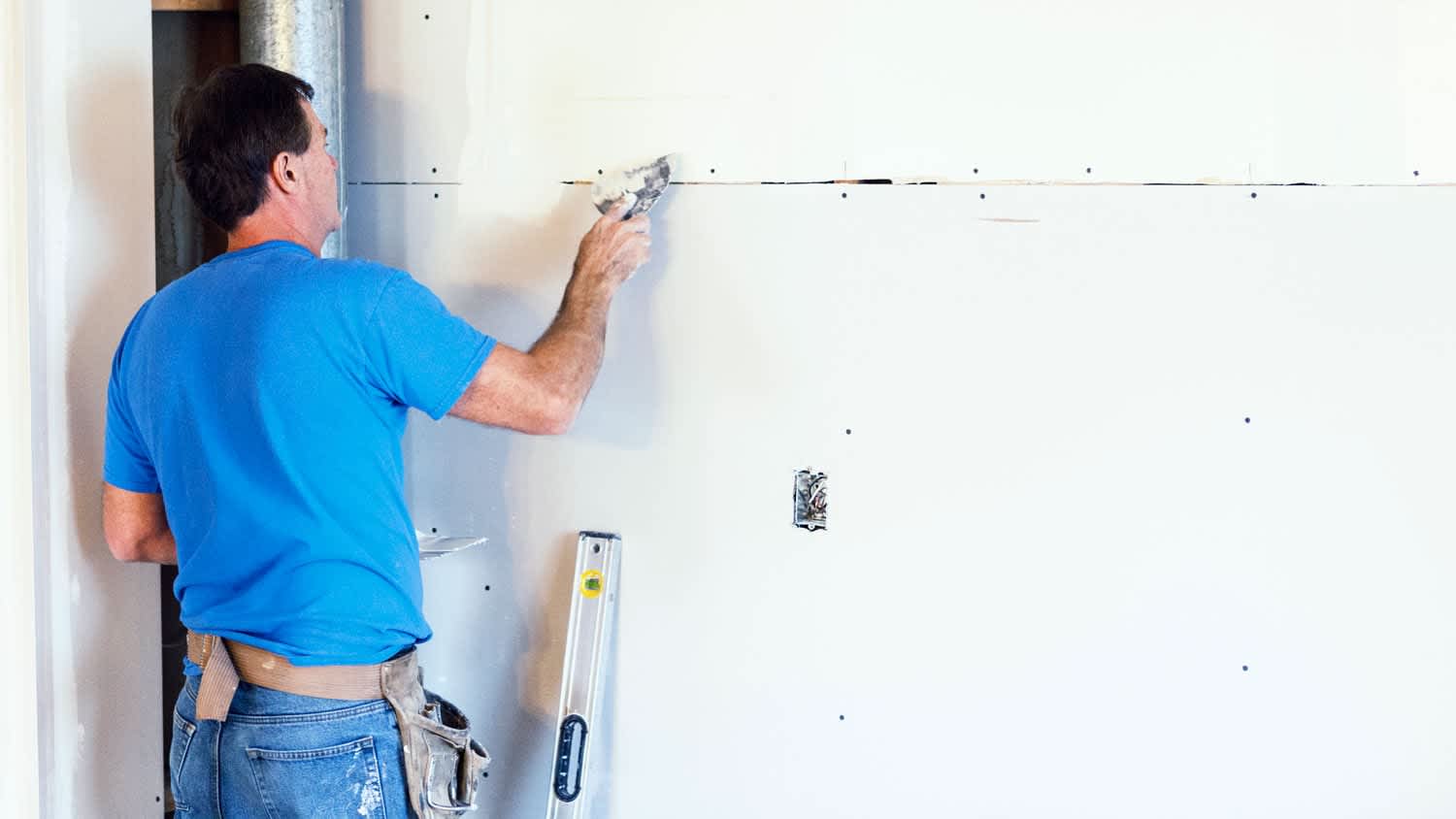
Although they are used for similar tasks, spackle and joint compound are not the same. Joint compound, also known as drywall mud, consists of limestone and gypsum and is primarily used for large-scale projects like taping and finishing seams on new drywall. Spackle is composed of gypsum and binding agents, making it a thicker compound best suited for small wall repairs like filling nail holes or cracks, as it dries quickly and is easy to sand. For small repairs, either product can be suitable. However, you can use joint compound for small jobs in place of spackle, but you cannot use spackle for large-scale taping and mudding projects.

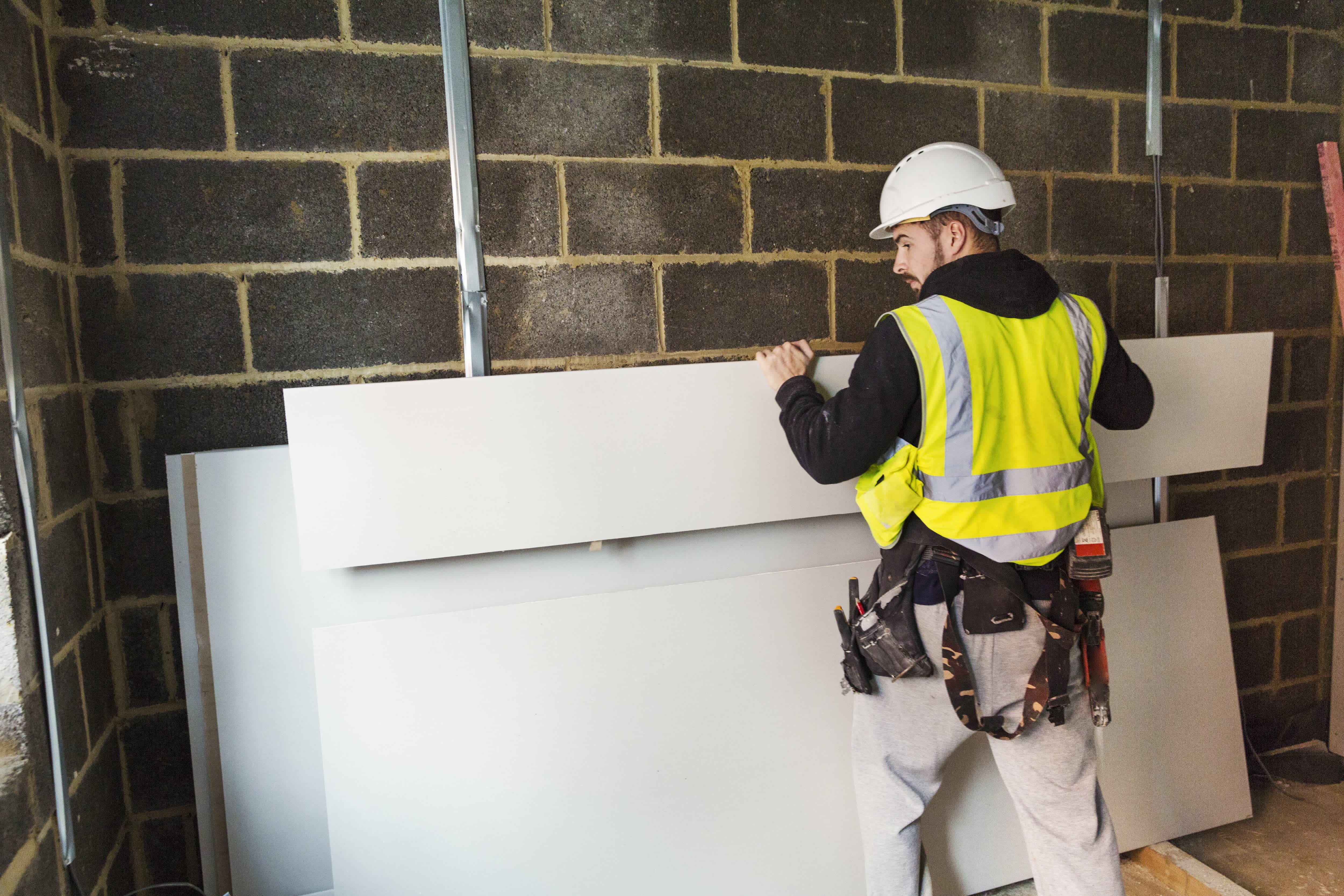
How you hang the drywall can affect the finishing process. It's often easier to finish horizontal drywall panels, as the seams run across the wall rather than up and down. Standard drywall panels are 48 inches wide, so the seam is easy to reach without bending down or stretching your arms.

Yes, you can hammer a nail into a wall stud. But before you do, it’s important to confirm that you’re actually nailing into a stud—and not wiring, pipes, or ductwork. To check, find a few more studs in the wall, then measure to make sure they’re either 16 or 24 inches apart.

Wall anchors are suitable for drywall and plaster walls, which are common in most homes. However, different wall materials may require specialized anchors. For concrete or masonry walls, you'd typically use concrete anchors. When dealing with other wall types, such as brick or tile, specific anchors designed for those materials may be necessary. Always consult with a hardware specialist or check the manufacturer's recommendations to ensure you select the appropriate anchors for your specific wall type.

The Butler, GA homeowners’ guide to drywall services

From average costs to expert advice, get all the answers you need to get your job done.