


Top-rated stucco pros.

Get matched with top stucco pros in Monroe, GA

Enter your zip and get matched with up to 5 pros

Find Stucco pros in Monroe

Pro-Stucco
4.6(
12
)
Synthetic Stucco - Install or Completely ReplaceSynthetic Stucco - Install or Completely Replace- For BusinessSynthetic Stucco - Repair or Partially Replace- For Business+4 more

Serving Monroe, GA and surrounding areas

Approved

In business since 2009

Free estimates

Customers say: Quality work

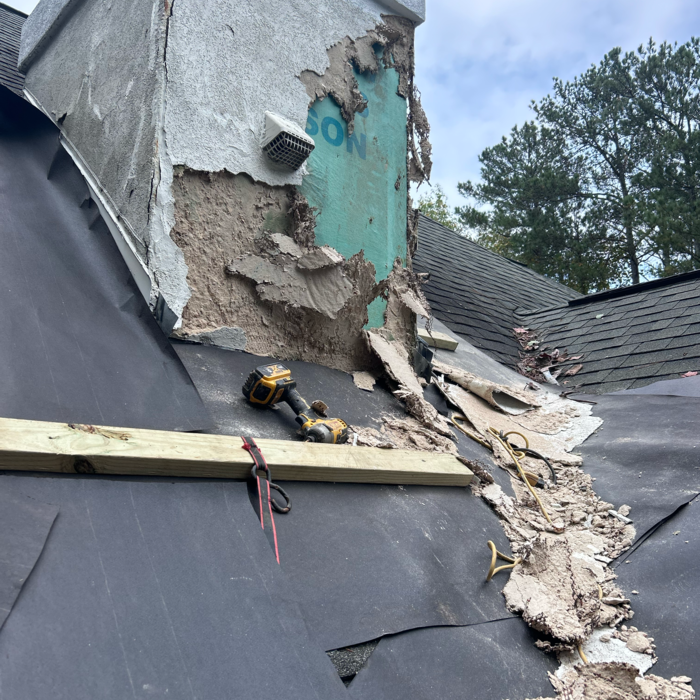
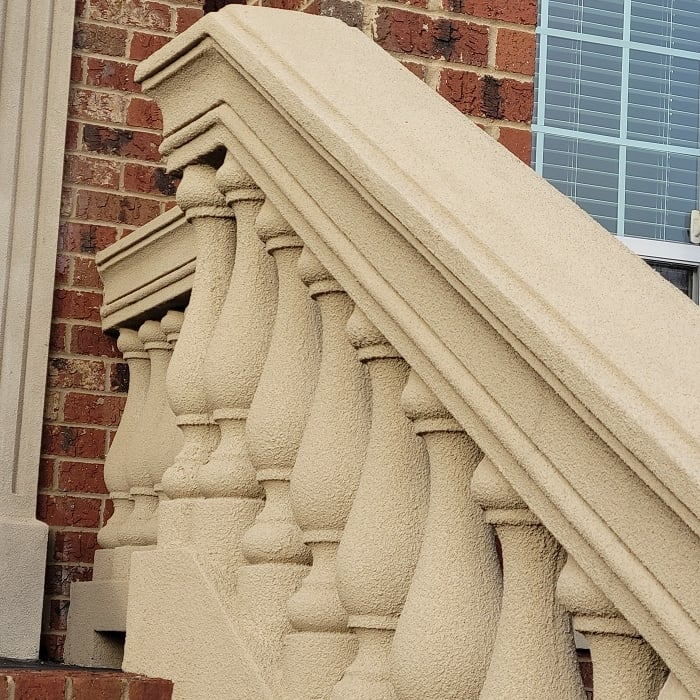
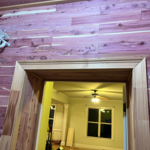
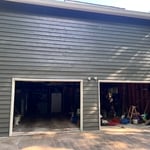
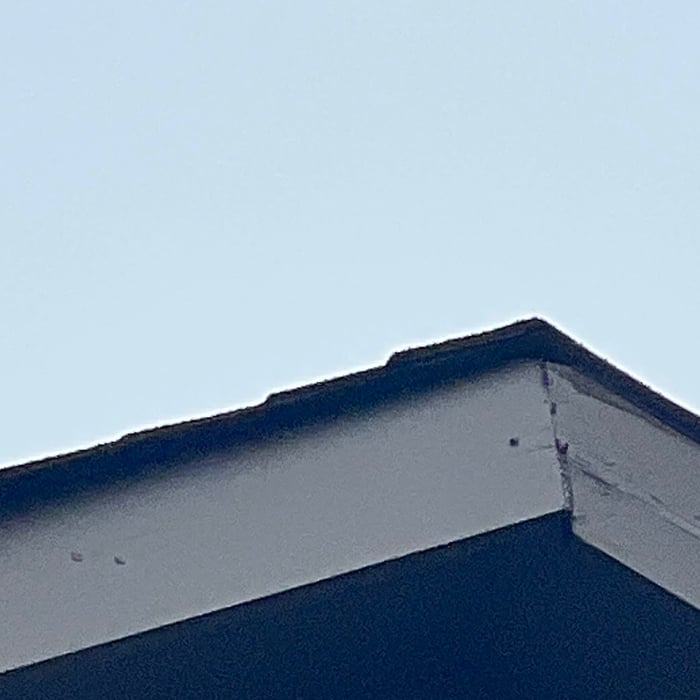
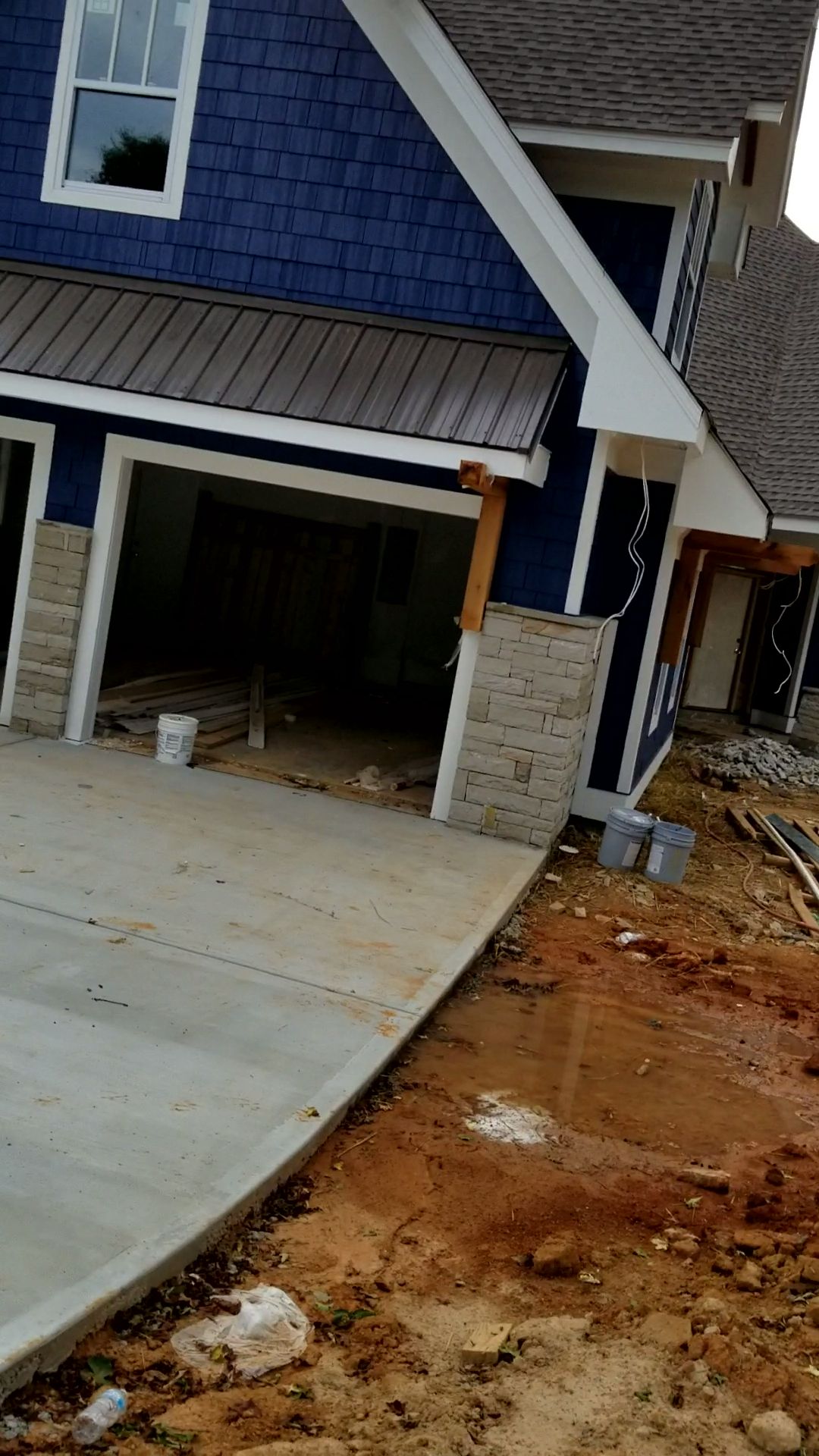
"George and his team repaired a part of our external stucco wall. We were looking for a professional firm for quite awhile. So glad we found him. He is extremely knowledgeable on stucco. But most importantly his work spoke for itself. You canâ t tell that there was any damage. We are so pleased."
Work
Work
Work
Work
work

+16

Response time1 day
1 neighbors recently requested a quote
Recommended by90%of homeowners

...
Showing 1-10 of 71
Stucco questions, answered by experts

A standard drill will work just fine if you’re drilling small holes, and only a few of them. But anything with a diameter larger than 3/8 inch is best done with a hammer drill, since it is stronger, faster, and also makes your drill bits last longer. While you don’t absolutely need a hammer drill for stucco, it is a worthy investment if you think you might drill more holes down the road.

The curing time for stucco typically takes several weeks to fully complete. During the curing process, the stucco undergoes a chemical reaction and gradually hardens. It's important to note that curing is different from drying. While the surface of the stucco may dry relatively quickly within a few hours or days, the curing process continues beneath the surface, strengthening and solidifying the stucco. 

It's best to avoid excessive moisture exposure during the curing period, as it can impede the curing process. The exact curing time can vary based on factors such as temperature, humidity, and the specific stucco mixture used.

Stucco repair can best be described as a patch. It involves identifying the problem and fixing that specific damage with additional stucco. If no mold infiltration or an underlying leak is causing the damage, repair is most likely all you need. 

Remediation, on the other hand, involves removing the existing siding, fixing the underlying cause of the damage, and then reapplying stucco siding for that wall. It’s a more permanent fix that takes longer to complete and, hence, comes with a steeper price tag than repair.

The length of time shouldn’t matter much if you stick with lightweight Christmas lights and similar decorations. Those shouldn’t pose risks to your stucco. You should avoid attaching anything to your stucco that could fall because it’s too heavy, which may take part of the stucco with it. Some methods, like using double-sided tape or adhesive hooks, will naturally wear out over time and lead to falling lights, so don’t expect to leave these lights up year-round.

Masonry screws are the best option to be used on stucco. They’re thicker and made to penetrate harder surfaces like concrete and cinder blocks. Fluted masonry screws work the best because they create a stronger grasp thanks to the lines on their shafts. If you’re working on exterior stucco, use galvanized screws to prevent corrosion.

The Monroe, GA homeowners’ guide to stucco services

From average costs to expert advice, get all the answers you need to get your job done.