



Top-rated pool table assembly pros.

Get matched with top pool table assembly pros in Kingsland, GA

Enter your zip and get matched with up to 5 pros

Need a pro for your pool table assembly project in Kingsland, GA?

Select your specific project to find the pro for you.

TRUSTED BY KINGSLAND, GA HOMEOWNERS

  • Average homeowner rating star icon4.4
    Average homeowner rating
  • Verified reviews icon255
    Verified pool table assembly services reviews

Find Pool table assembly pros in Kingsland

Avatar for ARTISAN STONE RESTORE SERVICES
ARTISAN STONE RESTORE SERVICES
5.0(
1
)
Handyman for Multiple Small Projects

Serving Kingsland, GA and surrounding areas

Approved

Free estimates

Emergency services offered

Small jobs welcome

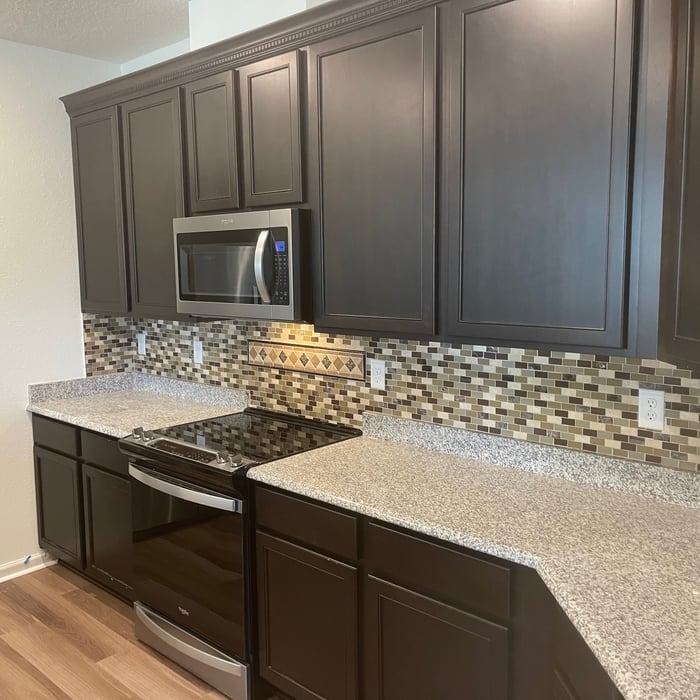
At Artisan Stone Restore Services, we are committed to delivering professional, dependable, and high-quality services tailored to our clients’ needs. Our foundation is built on integrity, excellence, and creating long-term relationships through outstanding customer service and reliable results.

HOUSE DORM
HOUSE DORM
HOUSE DORM
HOUSE DORM
HOUSE DORM

+3

...
Showing 1-10 of 155
Pool Table Assembly questions, answered by experts

Yes, you should keep your pool pump running when adding salt, and leave it running for 24 to 48 hours. This will help circulate the salt to ensure even distribution. You will want to turn off your pool’s salt chlorine generator before adding salt and leave it off until it fully dissolves. Check your manufacturer’s instructions for steps specific to your saltwater pool maintenance.

You should wait at least six hours after adding baking soda before swimming in your pool. Even better, wait at least 24 hours to ensure it’s fully mixed in and dissolved. While it’s likely not harmful, if you get in the pool too early, the baking soda may irritate your skin or eyes if you’re sensitive to it.

While some water loss from splashing and evaporation is normal, a rapid or excessive drop in the water level may indicate a leak. Other signs of a pool leak include unexplained soft or wet spots in the yard, cracks in the pool structure or falling tiles, higher-than-normal water bills, persistent algae growth or water discoloration, and standing water around the pump, pipes, or other pool equipment.

Yes, swimming in a pool with high calcium hardness is considered safe as long as you have sufficient chlorine and pH levels to keep bacteria growth under control. The main issue with high calcium hardness is that it damages your pool through rust and corrosion. However, if your water is hard enough to corrode your pool, you might want to consider finding methods to make it safe for drinking at home.

Yes, it's normal for pool pumps to make noises—like a humming or gentle rumbling sound. But if your pool pump is making loud noises, then this could indicate an underlying problem. Sounds to keep an ear out for include grinding, whining, screeching, and banging noises. Also, pay attention to any new or louder sounds emanating from your pump.

The Kingsland, GA homeowners’ guide to pool table assembly services

From average costs to expert advice, get all the answers you need to get your job done.