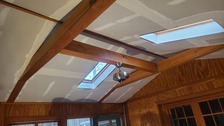
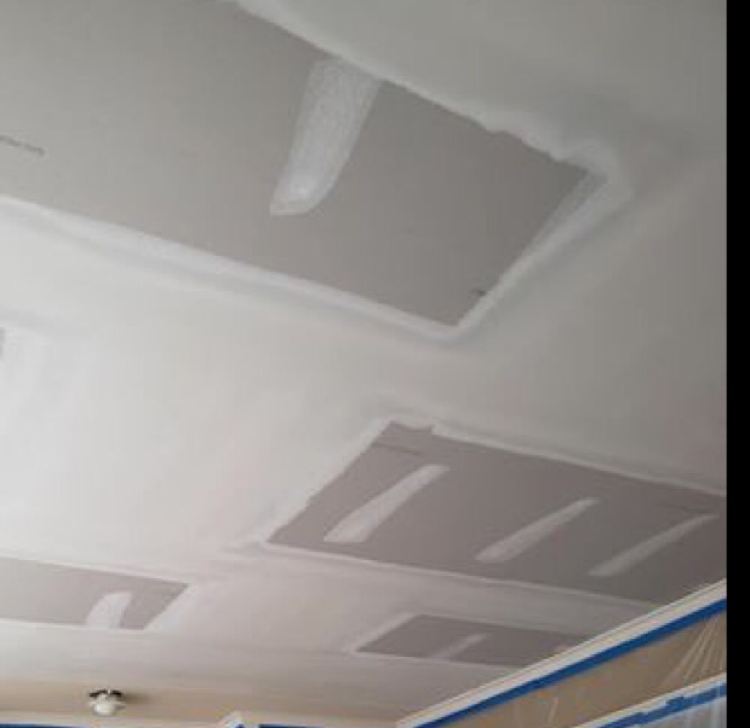

Top-rated drywall pros.

Best drywall pros near Flovilla, GA

Enter your zip and get matched with up to 5 pros

Need a pro for your drywall service project in Flovilla, GA?

Select your specific project to find the pro for you.

TRUSTED BY FLOVILLA, GA HOMEOWNERS

  • Average homeowner rating star icon4.5
    Average homeowner rating
  • Verified reviews icon43
    Verified drywall services reviews

Top-Rated Drywall pros in Flovilla - Updated Nov 2026

Avatar for Raff
Raff
4.6(
49
)
Drywall - InstallDrywall - Install - For BusinessDrywall - Repair - For Business

Serving Flovilla, GA and surrounding areas

Approved

In business since 1999

Free estimates

Emergency services offered

"Working with Jerry was great as usual. I have used his services before, and once again he has exceeded my expectations with a full drywall installation in a very complex design. I will use Raff again on my next project."
Kitchen Remodeling
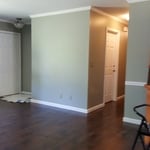
Living room floors and walls
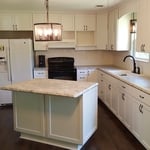
Kitchen total remodel
Room Addition
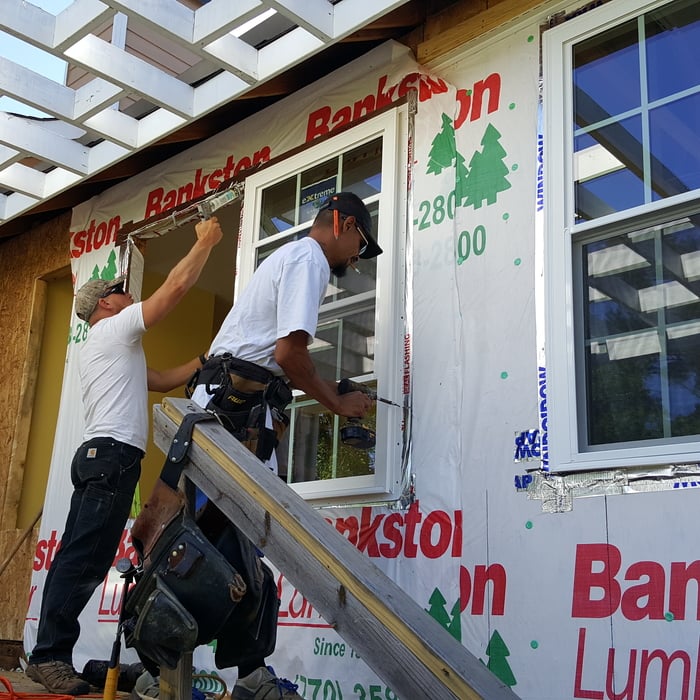
28' x 14' addition exterior

+4

Response time2 days
Recommended by100%of homeowners
Angel Remodeling Construction
4.3(
2
)
Drywall - Install - For BusinessDrywall - Repair - For Business

Serving Flovilla, GA and surrounding areas

Approved

In business since 2005

Free estimates

Offers commercial services

We take great pride in our experience, expertise, quality, and customer service that we provide to meet the consumers' needs. It is our mission to provide excellent workmanship and complete customer satisfaction from start to completion of a project. To understand the needs and expectations of our customers, we take great care to work and communicate with every customer in a professional manner. Our reputation is based on service, safety, and quality, regardless of how large or small the job.

Response time1 day
Response rate92%
Recommended by100%of homeowners
...
Showing 1-10 of 170
Drywall FAQs, answered by experts

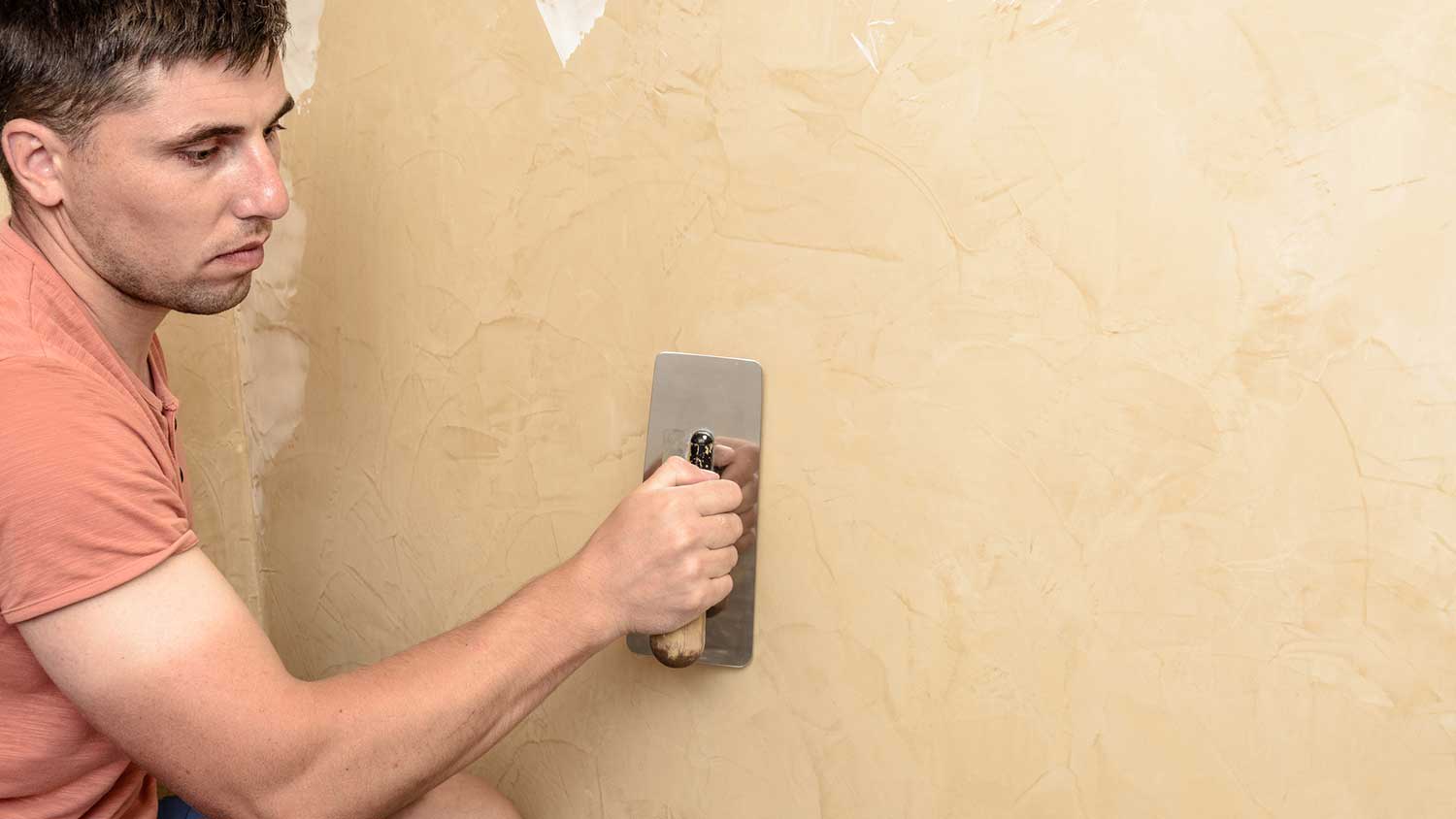
Plastering and skimming are two different techniques for finishing walls. Plastering involves applying a thick layer of a plaster mixture—typically containing gypsum, lime, cement, sand, and water—to create a new surface. This process often requires multiple coats and is used for repairing significant damage or creating decorative textures. Skimming, on the other hand, is a technique that involves applying a thin layer of drywall compound or joint compound over an existing surface to smooth it out, covering minor imperfections, small cracks, or uneven textures for a polished look. Plastering is generally more costly and labor-intensive than skimming. Although some people use the terms interchangeably, they refer to different processes and materials.

Although they have similar applications, spackle and joint compound are not the same. Their primary differences lie in their composition, consistency, and ideal use cases.

Spackle is composed of gypsum and binding agents, making it thicker than joint compound. It dries quickly and is easy to sand, which makes it ideal for small wall repair projects like filling nail holes or patching minor damage.

Joint compound, also known as drywall mud, consists of limestone and gypsum. It is primarily used for large-scale projects, such as taping and finishing the seams on newly installed drywall. It tends to shrink more than spackle and can be more difficult to spread.

While both products can be used to fill small depressions and cracks, spackle cannot replace joint compound for taping and mudding new drywall. Conversely, you can often use joint compound for small patching jobs typically done with spackle.

Yes, applying a texture can hide minor imperfections and irregularities in drywall, but it will not cover significant damage like nail marks or screw holes. The best texture depends on the size of the flaws. For minor imperfections, popular choices like orange peel, sand, or popcorn texture are effective. For larger imperfections, you may need a more prominent style, such as a knockdown or trowel finish, to conceal them effectively.

If you’re looking for a reliable plaster repair company, you should start by researching local companies in your area and reviewing their status with the Better Business Bureau. Next, you can contact the potential companies to ask about experience levels, get a list of references, and ask for examples of past work. If you have a textured wall, consider asking if they have examples or references for that particular texture. This method should help you narrow your search even further. You may also want to ask each company if they provide a warranty for their work.

In framing, studs are placed at 16-inch intervals to coincide with the typical spacing of wall materials such as drywall or plywood. This spacing is called "on-center" and is necessary for maintaining structural stability and efficient use of materials. The 16-inch spacing also helps to distribute the weight evenly across the building's structure. For those looking to cut material costs and improve energy efficiency, 24-inch stud spacing can be employed through a method called "advanced framing". This requires careful planning and adherence to local building codes to ensure structural integrity.

The Flovilla, GA homeowners’ guide to drywall services

From average costs to expert advice, get all the answers you need to get your job done.