



Top-rated lead testing and removal specialists.

Get matched with top lead testing and removal specialists in Crandall, GA

Enter your zip and get matched with up to 5 pros

Need a pro for your lead testing and removal project in Crandall, GA?

Select your specific project to find the pro for you.

Find Lead testing and removal specialists in Crandall

1st Rate Construction and Environmental Services
5.0(
71
)
Toxic Lead - Testing

Serving Crandall, GA and surrounding areas

Approved

In business since 2004

Emergency services offered

Customers say: Quick response

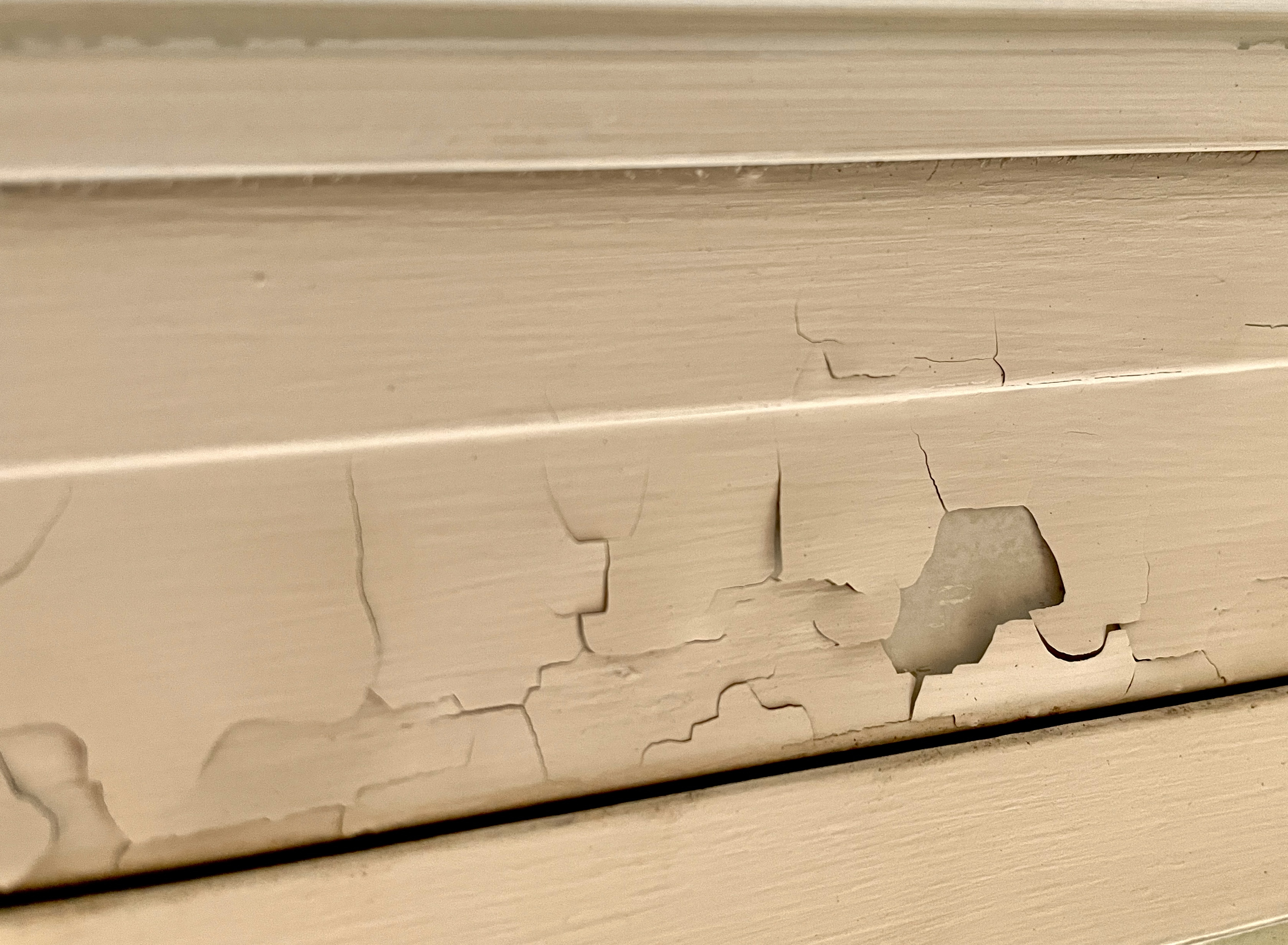
"I requested a quote for lead abasement for exterior paint on a house I want to buy. First-rate construction took the time during an initial phone call of explaining options for dealing with the lead paint along with some general estimates. They are definitely well qualified in dealing with toxic substances. I did not hire because the house seller did not want to address the lead paint issue."
Response time2 hrs
Recommended by100%of homeowners
Avatar for Trindia Renewal Group LLC
Trindia Renewal Group LLC
5.0(
4
)
Toxic Lead - Testing

Serving Crandall, GA and surrounding areas

In business since 2024

Free estimates

Credit card accepted

"Highly recommend Glenn and his company! We had a flooding issue in our home that he was able to handle quickly and efficiently! He even handled all the insurance claim which relieved so much stress! As a busy professional this was not something I could manage on my own. I'm so thankful for the Trindia Renewal Group for getting my house back in tip-top shape and not having to worry about mold! 10 stars!"
Response time1 day
Response rate85%
Recommended by100%of homeowners
Lead Testing and Removal questions, answered by experts

Professional lead testing services typically cost between $200 and $500, with the price varying based on the extent of testing and the specific areas tested within the property.

According to the Environmental Protection Agency (EPA), hazardous waste is generally classified into four main categories:

1. Characteristic Wastes: These exhibit at least one of four hazardous traits: ignitability (flammable, like gasoline), corrosivity (can rust or decompose materials, like car batteries), reactivity (unstable and can explode, like aerosol cans), or toxicity (harmful when ingested, like lead-based paint).

2. Listed Wastes: These are specific wastes from manufacturing and industrial processes that the EPA has officially designated as hazardous. They include byproducts from processes that use solvents, pesticides, and other chemicals.

3. Universal Wastes: These are commonly generated hazardous items that are subject to streamlined regulations. Examples include batteries, pesticides, mercury-containing equipment (e.g., bulbs), and some lamps.

4. Mixed Wastes: This category includes waste that contains both hazardous and radioactive components, making it subject to regulation by both the EPA and the Nuclear Regulatory Commission.

If lead is detected in a property, steps should include arranging for professional removal or containment, notifying all occupants, and implementing interim safety measures to reduce exposure.

According to the EPA, there is no safe level of lead in the blood, and so the maximum contaminant level goal (MCLG) for lead in water is zero. Even at low levels, lead is harmful to human health. It can also remain in the body and build up over time with repeated exposure.

Iron sediments from rusty pipes are not likely to cause health problems. While a glass of yellow-hued water is off-putting, it is generally safe to drink yellow water in the short term. But you certainly want to address this problem. In the meantime, switching to bottled water until the yellow water issue is resolved is a good idea. 

The Crandall, GA homeowners’ guide to lead testing and removal services

From average costs to expert advice, get all the answers you need to get your job done.