

Top-rated lead testing and removal specialists.

Best lead testing and removal specialists near Blue Ridge, GA

Enter your zip and get matched with up to 5 pros

Need a pro for your lead testing and removal project in Blue Ridge, GA?

Select your specific project to find the pro for you.

Top-Rated Lead testing and removal specialists in Blue Ridge - Updated Nov 2026

1st Rate Construction and Environmental Services
5.0(
71
)
Toxic Lead - Testing

Serving Blue Ridge, GA and surrounding areas

Approved

In business since 2004

Emergency services offered

Customers say: Quick response

"Very communicative, explained everything and did not do any unnecessary work. He was timely, and did some reconstruction needed and also tested afterward. He always tried to save us money and worked with our schedule. I would recommend him for just about anything."
Response time2 hrs
Recommended by100%of homeowners
Lead Testing and Removal FAQs, answered by experts

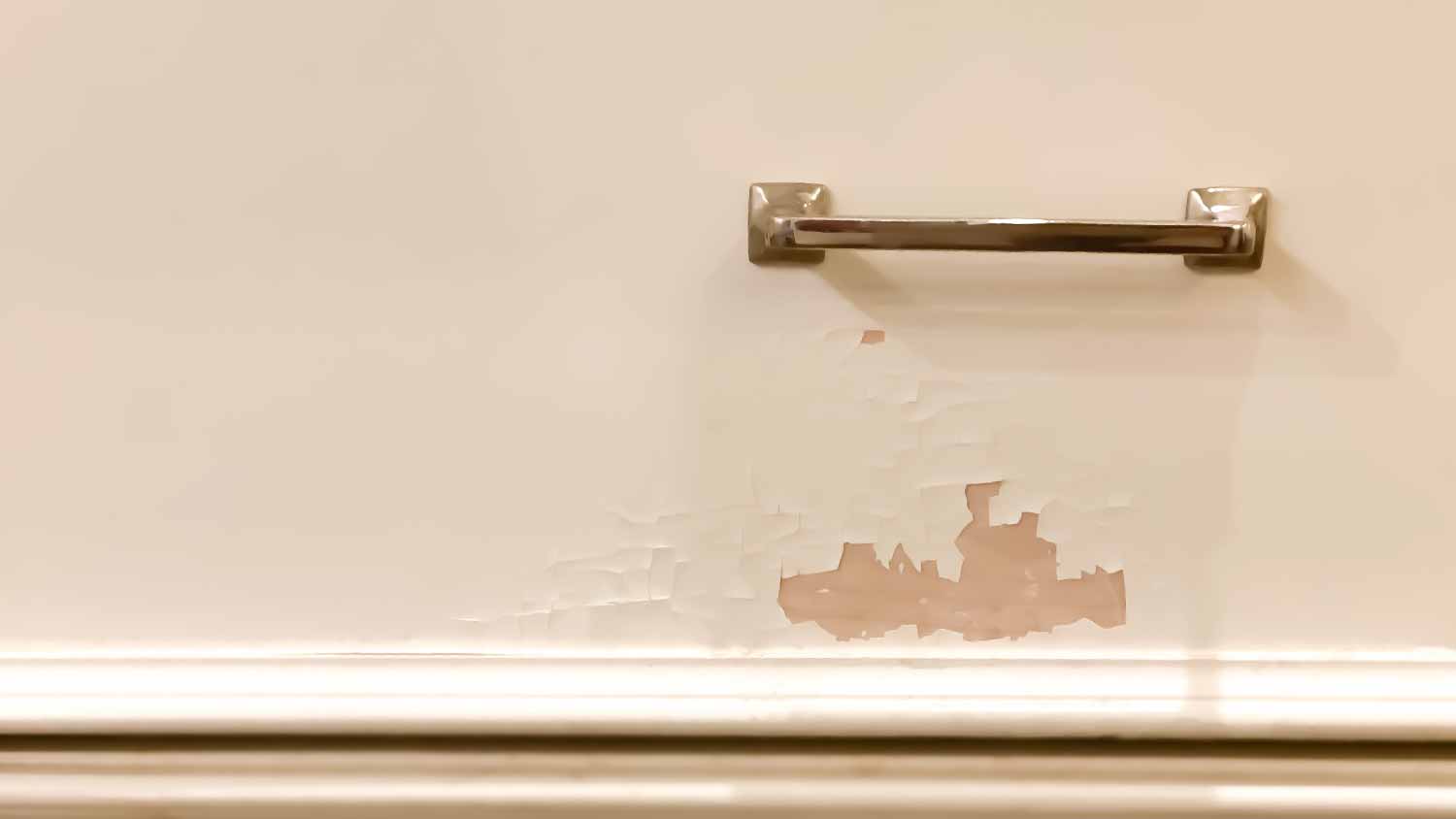
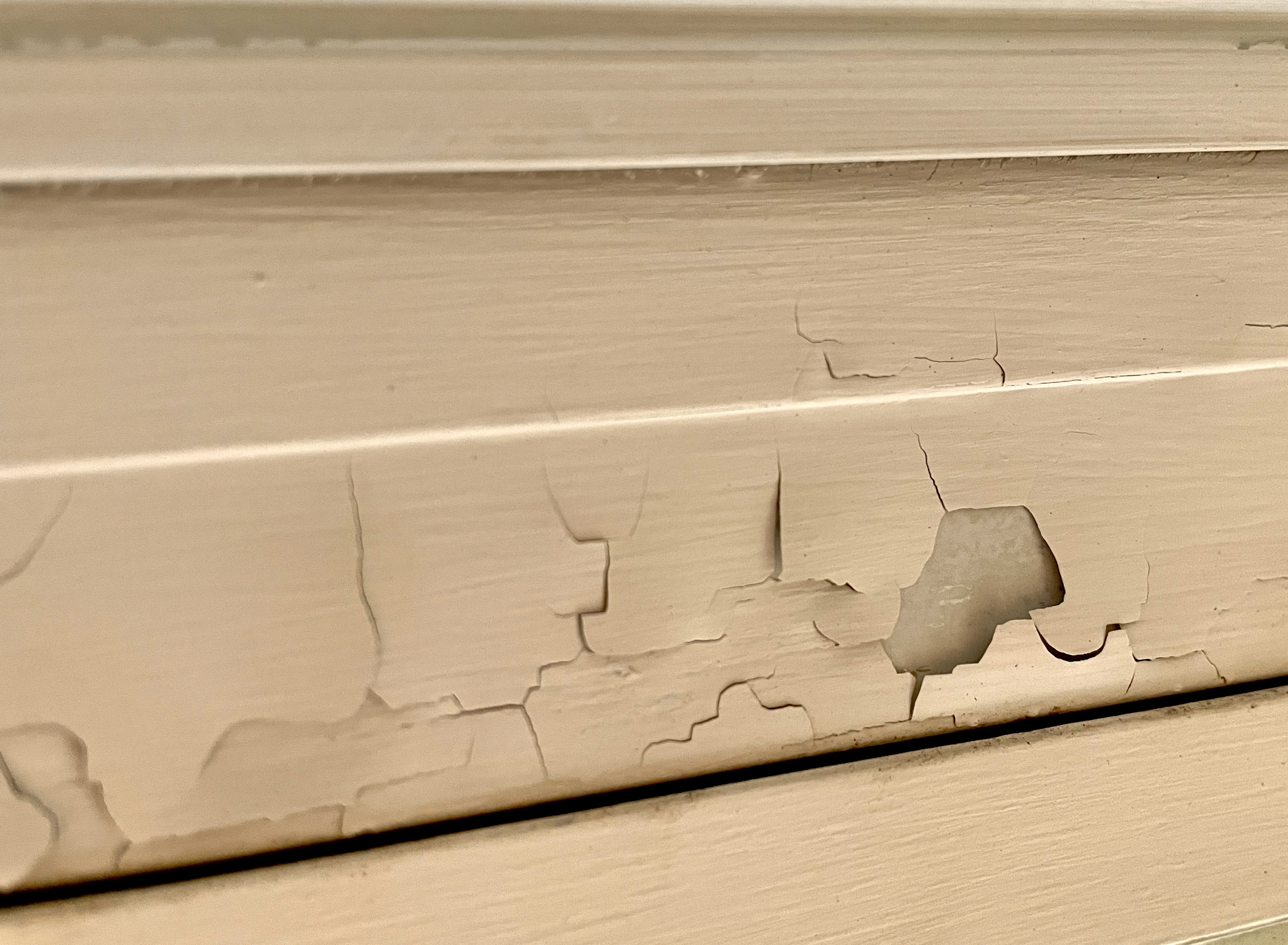
If your house was built before 1978 and you’re noticing cracking or peeling paint, a lead paint inspection is a good idea. A lead paint inspection gives you accurate information about the presence, location, and condition of lead-based paint in your home. This information is essential for making informed decisions about lead paint removal to ensure your safety and health and that of your family. If your inspector finds lead, you’ll need to take steps to manage or remove the lead-based paint and comply with laws and regulations.

Lead exposure poses significant health risks, including neurological, developmental, and behavioral disorders, especially critical in young children and fetuses.

Structural problems with the foundation or roof, water damage, and significant plumbing or electrical issues are all considered major red flags in a home inspection. Of these, a structural problem related to the foundation is often the most severe. Foundation repairs are typically the most expensive and intrusive to carry out, averaging around $5,000 but sometimes reaching up to $16,000. Because these problems can pose safety risks and be costly to fix, you should ask your inspector detailed questions about any identified issues. You will need to carefully consider how major problems affect what you’re willing to pay for the home, or if you want to proceed with the sale at all.

DIY lead testing kits are available, but they often lack the accuracy and reliability of professional services. Professional testing is recommended for more accurate results, as properly certified testers can provide a thorough analysis, clear recommendations, and the necessary legal documentation if remediation is required.

According to the Environmental Protection Agency (EPA), hazardous waste is generally classified into four main categories:

1. Characteristic Wastes: These exhibit at least one of four hazardous traits: ignitability (flammable, like gasoline), corrosivity (can rust or decompose materials, like car batteries), reactivity (unstable and can explode, like aerosol cans), or toxicity (harmful when ingested, like lead-based paint).

2. Listed Wastes: These are specific wastes from manufacturing and industrial processes that the EPA has officially designated as hazardous. They include byproducts from processes that use solvents, pesticides, and other chemicals.

3. Universal Wastes: These are commonly generated hazardous items that are subject to streamlined regulations. Examples include batteries, pesticides, mercury-containing equipment (e.g., bulbs), and some lamps.

4. Mixed Wastes: This category includes waste that contains both hazardous and radioactive components, making it subject to regulation by both the EPA and the Nuclear Regulatory Commission.

The Blue Ridge, GA homeowners’ guide to lead testing and removal services

From average costs to expert advice, get all the answers you need to get your job done.