


Top-rated lead testing and removal specialists.

Get matched with top lead testing and removal specialists in Collegedale, TN

Enter your zip and get matched with up to 5 pros

Need a pro for your lead testing and removal project in Collegedale, TN?

Select your specific project to find the pro for you.

Find Lead testing and removal specialists in Collegedale

Avatar for EcoStrike
EcoStrike
4.5(
30
)
Toxic Lead - Testing

Serving Collegedale, TN and surrounding areas

In business since 1984

Free estimates

"I really didn't know anything about the remediation of mold, but Lamar gave me a step by step protocol as what needed to be done, what to expect, a timeline and worked 100% with my insurance company. He was always available to answer all of my questions and concerns. Lamar and crew were able to do most of the remediation work except for the roof, so he got quotes from quality roofers for me. I was very pleased with my working experience with Ecostrike and would highly recommend them. e and"
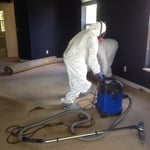
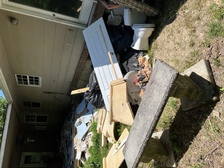
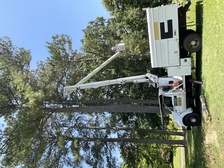
Additional Photos
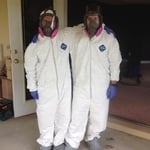
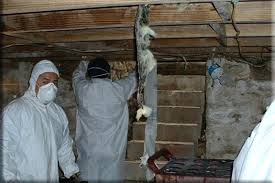
Dressed for safety on the job
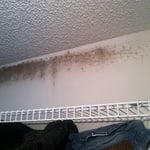
Bedroom Closet
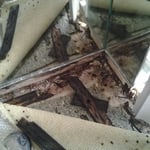
Under Carpeting
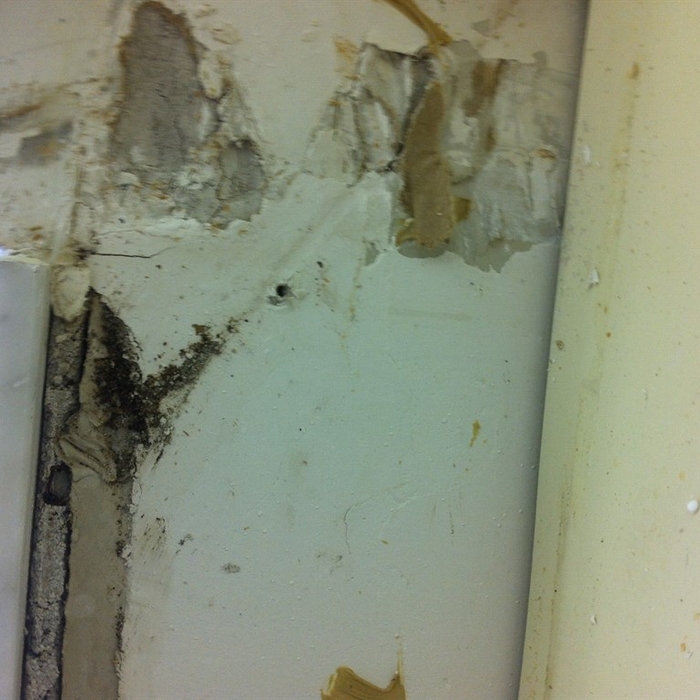
Around Windows

+4

Response time2 days
Response rate100%
Recommended by90%of homeowners
Lead Testing and Removal questions, answered by experts

With regular testing, treatment, and maintenance, water from a community well should be safe to drink. Unfortunately, the EPA does not regulate private wells, and contamination can happen. 

If you have doubts about the quality and safety of your drinking water, you have options for testing. You can pick up kits from your local home supply store or harvest samples and send them to a local testing facility. To get the most complete water quality testing and system diagnosis, seek a local well professional. They know what to test for and can recommend and implement a longer-lasting solution.

Lead removal is crucial in older homes to eliminate risks of lead poisoning, which can severely affect health, particularly in children, by impacting development and cognitive functions.

According to the Environmental Protection Agency (EPA), hazardous waste is generally classified into four main categories:

1. Characteristic Wastes: These exhibit at least one of four hazardous traits: ignitability (flammable, like gasoline), corrosivity (can rust or decompose materials, like car batteries), reactivity (unstable and can explode, like aerosol cans), or toxicity (harmful when ingested, like lead-based paint).

2. Listed Wastes: These are specific wastes from manufacturing and industrial processes that the EPA has officially designated as hazardous. They include byproducts from processes that use solvents, pesticides, and other chemicals.

3. Universal Wastes: These are commonly generated hazardous items that are subject to streamlined regulations. Examples include batteries, pesticides, mercury-containing equipment (e.g., bulbs), and some lamps.

4. Mixed Wastes: This category includes waste that contains both hazardous and radioactive components, making it subject to regulation by both the EPA and the Nuclear Regulatory Commission.

Some of the signs that could mean your water is contaminated, such as cloudiness or bubbliness, could also be non-problems that don’t affect your water’s potability. However, if your water smells or tastes strange, it’s a good idea to stop drinking it and test it immediately. If your well water is contaminated, the best way to discover that is to test it.

According to the EPA, there is no safe level of lead in the blood, and so the maximum contaminant level goal (MCLG) for lead in water is zero. Even at low levels, lead is harmful to human health. It can also remain in the body and build up over time with repeated exposure.

The Collegedale, TN homeowners’ guide to lead testing and removal services

From average costs to expert advice, get all the answers you need to get your job done.