






Top-rated lead testing and removal specialists.

Get matched with top lead testing and removal specialists in Chattanooga, TN

Enter your zip and get matched with up to 5 pros

Need a pro for your lead testing and removal project in Chattanooga, TN?

Select your specific project to find the pro for you.

Find Lead testing and removal specialists in Chattanooga

Avatar for EcoStrike
EcoStrike
4.5(
30
)

Serving Chattanooga, TN and surrounding areas

In business since 1984

Free estimates

"I really didn't know anything about the remediation of mold, but Lamar gave me a step by step protocol as what needed to be done, what to expect, a timeline and worked 100% with my insurance company. He was always available to answer all of my questions and concerns. Lamar and crew were able to do most of the remediation work except for the roof, so he got quotes from quality roofers for me. I was very pleased with my working experience with Ecostrike and would highly recommend them. e and"
Additional Photos
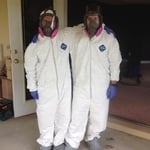
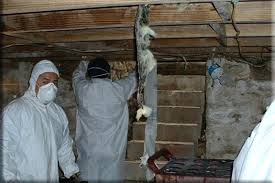
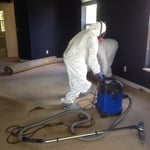
Dressed for safety on the job
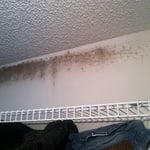
Bedroom Closet
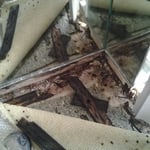
Under Carpeting
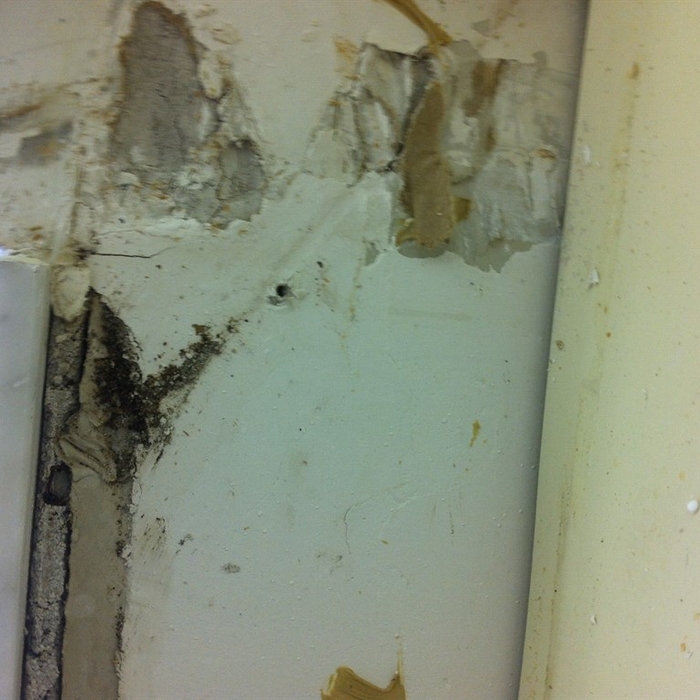
Around Windows

+4

Response time2 days
Response rate100%
Recommended by90%of homeowners
Lead Testing and Removal questions, answered by experts

Avoid disturbing suspected lead-containing materials and follow professional guidance on sample collection.

Mold, VOCs, radon, carbon monoxide, and particulate matter are typically measured.

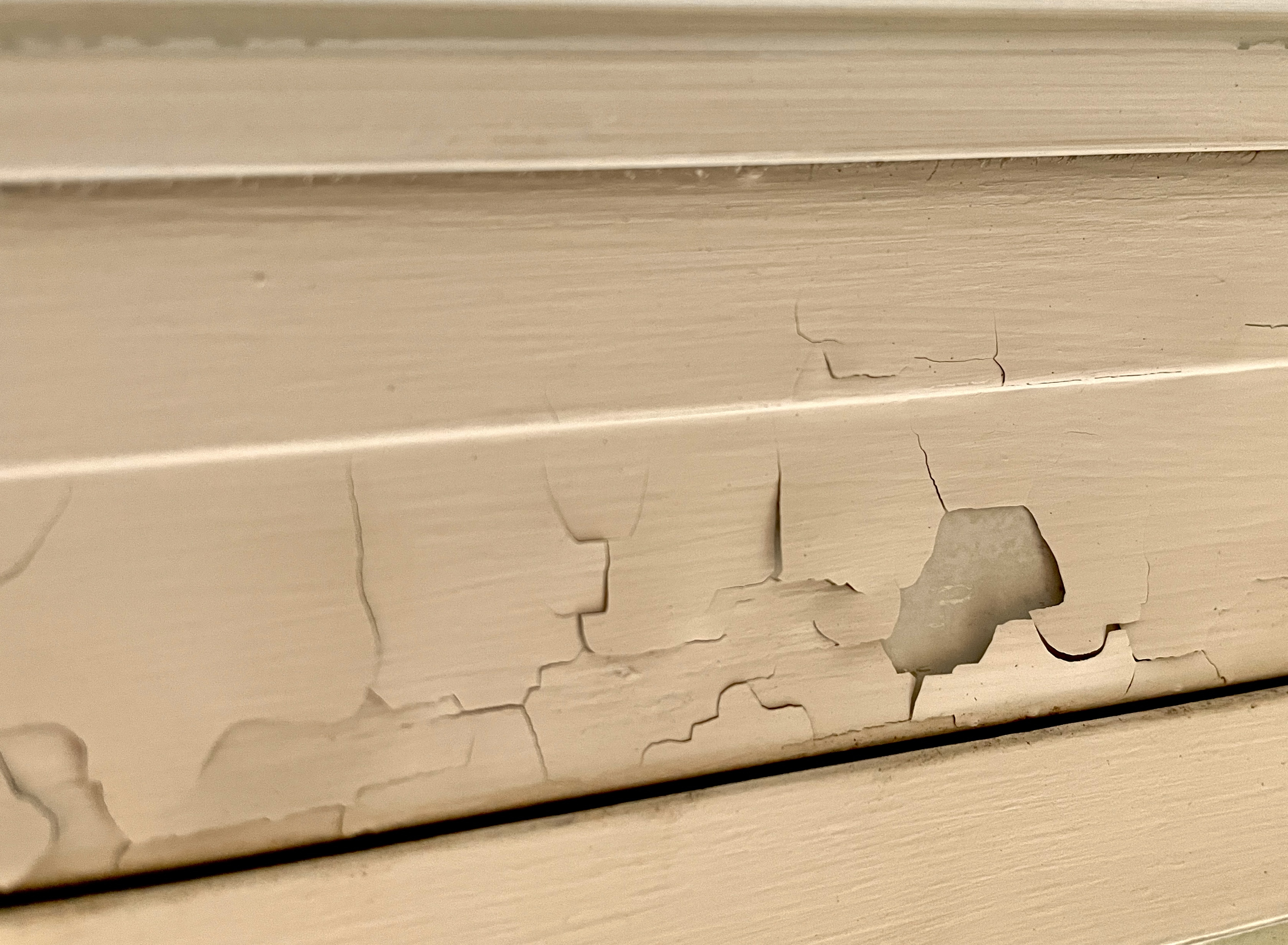
If the lead paint is in a place that is not easily disturbed and is not flaking or deteriorating, you do not necessarily need to remove it. Lead is toxic when dust particles or flakes from peeling lead paint are ingested. If people are not in the area with the lead paint, it may be safe to leave it in place. You still may want to consider encapsulation with a paint formulated for covering lead-based paint, just for an added layer of protection.

Professional lead removal involves identifying and safely removing or encapsulating lead-based paints and materials, using specialized equipment, and following strict safety procedures to minimize exposure and contamination.

According to the Environmental Protection Agency (EPA), hazardous waste is generally classified into four main categories:

1. Characteristic Wastes: These exhibit at least one of four hazardous traits: ignitability (flammable, like gasoline), corrosivity (can rust or decompose materials, like car batteries), reactivity (unstable and can explode, like aerosol cans), or toxicity (harmful when ingested, like lead-based paint).

2. Listed Wastes: These are specific wastes from manufacturing and industrial processes that the EPA has officially designated as hazardous. They include byproducts from processes that use solvents, pesticides, and other chemicals.

3. Universal Wastes: These are commonly generated hazardous items that are subject to streamlined regulations. Examples include batteries, pesticides, mercury-containing equipment (e.g., bulbs), and some lamps.

4. Mixed Wastes: This category includes waste that contains both hazardous and radioactive components, making it subject to regulation by both the EPA and the Nuclear Regulatory Commission.

The Chattanooga, TN homeowners’ guide to lead testing and removal services

From average costs to expert advice, get all the answers you need to get your job done.