




Top-rated fence painters.

Best fence painters near Chamblee, GA

Enter your zip and get matched with up to 5 pros

Need a pro for your fence painting project in Chamblee, GA?

Select your specific project to find the pro for you.

TRUSTED BY CHAMBLEE, GA HOMEOWNERS

  • Average homeowner rating star icon4.6
    Average homeowner rating
  • Verified reviews icon1.4k+
    Verified fence painting services reviews

Top-Rated Fence painters in Chamblee - Updated Nov 2026

No results for Fence painter in

Try adjusting your search criteria.
Fence Painting FAQs, answered by experts

Wood stain does go bad, but it will last in the can for between three and six years, provided you use proper storage techniques. Storing wood stain in open containers or in extremely low or high temperatures will cause your wood stain to become unusable much more quickly. Water- and latex-based wood stains typically last for just two to four years, while oil-based wood stains can last for three to six years.

Moisture and rot are the largest threat to wooden fences. Stain can help your wood fence last 15 to 20 years, but only if you choose a stain with waterproofing qualities or add a sealant. Oil-based stains create a thicker moisture barrier than water-based stains, though both are mold and mildew resistant. You’ll generally need to re-stain your fence every one to eight years to get full protection.

Staining or sealing a cedar deck or fence is highly recommended to extend its lifespan and protect it from the elements. While cedar is naturally resistant to mold and mildew, it is not impervious to damage from moisture, sun exposure, splintering, fading, and rot over time. Applying a protective finish creates a shield that preserves the wood's strength and appearance, potentially extending its life by five to 10 years.

When choosing a finish, it's helpful to understand the difference between a sealer and a stain. A sealer sits on top of the wood, whereas a combination stain and sealer soaks into the top layer. Because it penetrates the wood, a stain generally offers better protection against UV damage and rot and lasts significantly longer. For the best results that also preserve the wood's natural color, consider using a near-translucent stain.

To maintain protection, plan on reapplying the stain or sealer every two to three years, either as a DIY project or by hiring a professional.

The best time to stain a fence is when the weather is dry and temperatures are between 50 and 90 degrees Fahrenheit. Late spring, early summer, and fall are typically the best seasons for this project. You should avoid staining during very hot weather, like in the middle of summer, or when it is raining. Heat and moisture can cause the stain to dry unevenly. Likewise, if it's too cold, such as in winter or early spring, the stain may not be able to dry fully. Before you start, check the forecast to ensure there will be no rain and low humidity for at least a few days.

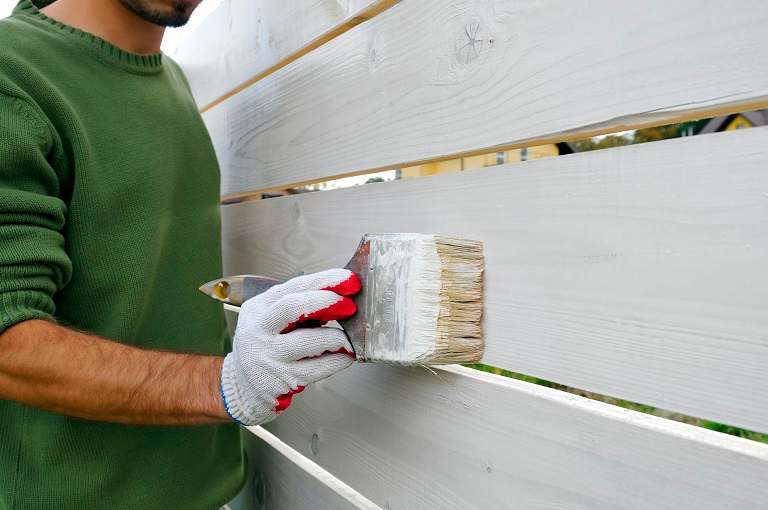
The easiest way to stain a fence depends on your experience and comfort level with the project. Applying stain with an airless sprayer or pump sprayer might get the stain job done faster, but it can be tricky. Paint rollers and stain brushes are slower but simpler for a DIY project.

The Chamblee, GA homeowners’ guide to fence painting services

From average costs to expert advice, get all the answers you need to get your job done.