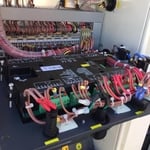
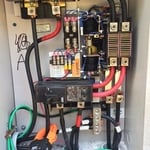
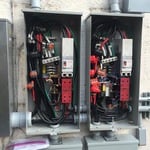
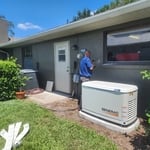
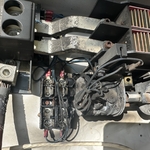
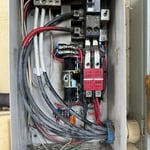
"They were exemplary! I've never owned a generator and after their visit, I already feel like a pro. The price was agreed upon during the first visit when they came to see exactly what needed to be done. (This first visit was without charge because of being an Angie's List member.) AFTER the electrical work was done, they not only took the time to teach me how to safely hook up the generator and manipulate the circuit box, but we did a full run through to make sure I knew how to do everything COMFORTABLY and to make sure we knew for a fact what I can and can't run when the next hurricane arrives. (They even took the generator from the box and assembled the last few items for me.) The best part was that I did not have to ask. THEY wanted to make sure I was completely comfortable so if/when the next hurricane arrives, getting power back to my house will be done quickly and with ease. I will definitely hire them again for any electrical need. They go well above and beyond for their customers."
"Thankful for a prompt, thorough, well-coordinated, and pleasant completed install. Mike is a patient, professional, knowledgeable, productively collaborative, efficient consultant. A home safety/comfort concern averted with install. Thanks again Mike and ABC, for your expertise and guidance."
"Florida Standby Power Systems is A great company to work with. They are professional and have very high standards. The work they do is done correctly, on time, and professionally. I would recommend them for anyone who has industrial generators that need to be serviced or repaired."
We are a fully licensed and insured, family owned and operated electrical contracting and service company that specializes in high quality installations and repairs.
"Great experience! The chandelier was installed perfectly, the price was fair, and the work was completed in a timely manner. Professional, reliable, and high-quality service. Highly recommended!"
Solar Tech and Low/Med Voltage Electrician with close to a decade of experience on the solar industry, worked all around the country learning and perfecting my craft!
The cost to install a whole-house generator averages $5,200, with a typical price range of $1,500 to $8,900. However, total costs can vary from $400 for a small portable unit to over $18,000 for a large-capacity system. The most significant cost factor is the generator's size and capacity, but other variables include the brand, fuel type, and labor for assembly and installation.
Generator costs can be broken down by type:
Portable or Emergency Backup Generators (1kW–7.5kW): $500 to $2,000
Partial-Home Generators (9kW–20kW): $2,000 to $6,500
Whole-House Generators (22kW–48kW): $5,000 to $18,000
To avoid paying for more power than you need, consider hiring an electrician to calculate the electrical load for your essential appliances. It is also recommended to get at least three quotes to find the best deal for your specific needs and budget.
While standby generators provide essential backup power, they can fail when you need them most due to lack of maintenance, fuel supply issues, dead batteries, electrical problems, or improper installation. To avoid costly failures, professional installation and regular maintenance are crucial. Licensed technicians ensure safety, uphold warranty requirements, comply with regulations, and provide expert servicing.
Generators are usually sized by running watts and starting watts. Ideally, you’ll want a generator that can offer both the necessary running watts and starting watts for everything you need to power without going beyond 90% of its capacity. Calculate your home’s electrical load based on the breakers in your home or adding up the appliance and lighting needs of connected rooms.
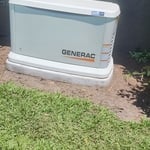
Whole-house generators need to be installed on level ground several feet away from walls and other objects. Because they tap into the electrical system directly, they usually need to be close to your home electrical panel for a transfer switch installation. It also helps with installation if they are near to a gas line or propane tank installation.
DIY is possible for basic setups. Professional installation ensures safe and proper electrical connections.
The Sebring, FL homeowners’ guide to generator installs
From average costs to expert advice, get all the answers you need to get your job done.
Natural gas generators are whole-home standby generators that are connected to your home’s natural gas line. The average cost for a natural gas generator is $12,000.
Generators should give you peace of mind, but you’ll only get that if your installer knows what they’re doing. Learn how to hire a pro and what red flags to look for.
Thinking about a generator installation? Learn about backup power options, costs to expect, and how to hire the right local pro to keep your home running.