







Top-rated excavation pros.

Get matched with top excavation pros in Sarasota, FL

Enter your zip and get matched with up to 5 pros

Need a pro for your excavation project in Sarasota, FL?

Select your specific project to find the pro for you.

TRUSTED BY SARASOTA, FL HOMEOWNERS

  • Average homeowner rating star icon4.4
    Average homeowner rating
  • Verified reviews icon24
    Verified excavation services reviews

Find Excavation pros in Sarasota

Avatar for Englewood Hardscaping LLC
Englewood Hardscaping LLC
5.0(
12
)
Landscape - Minor Grading or Resloping

Serving Sarasota, FL and surrounding areas

Approved

Super Service Award Winner

In business since 2025

Free estimates

Small jobs welcome

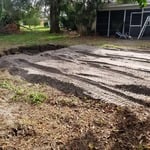
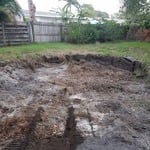
"After Hurricane Helene, our backyard was completely destroyed—grass wiped out, ground shifted, and constant flooding every time it rained. We spoke with multiple contractors, but none came close to the professionalism, clarity, and responsiveness we received from Leslie Monroy and the team at Englewood Hardscaping, LLC. Leslie proposed a smart and effective drainage and grading solution at a very fair price and was able to schedule the work quickly. Within days, the crew was on-site, and they completely transformed our backyard. Their work was not only high-quality and efficient, but their communication was excellent from start to finish. Englewood Hardscaping consistently went above and beyond our expectations. Of all the contractors we’ve had to work with in the aftermath of the hurricane, none have been as professional, reliable, or pleasant as this team. We are absolutely thrilled with the results and can’t recommend them highly enough."
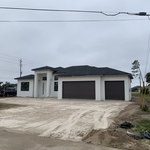
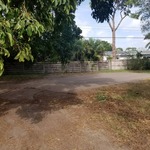
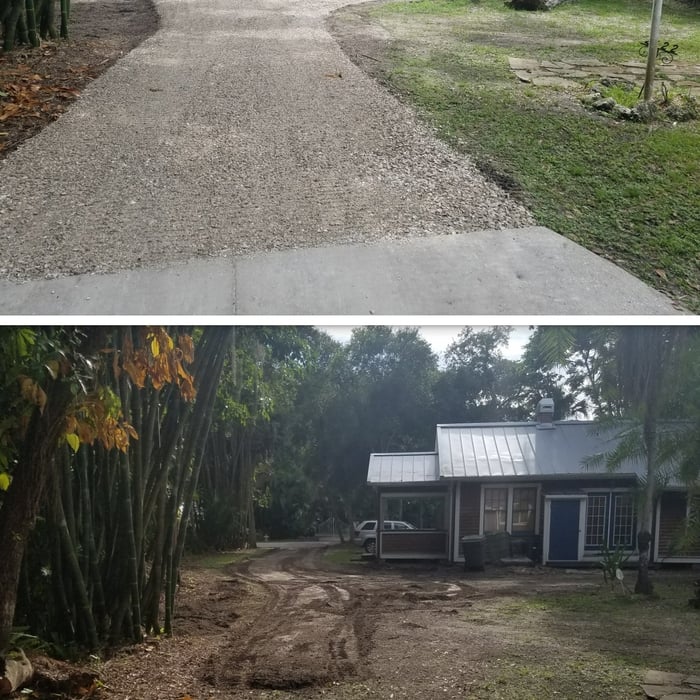
Driveway grading
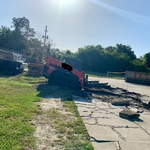
Concrete removal
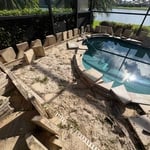
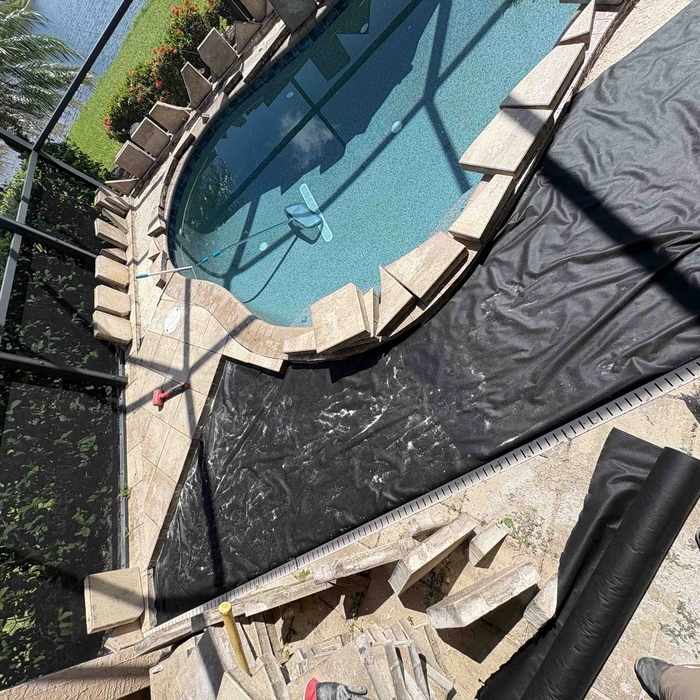
Pool paver repair
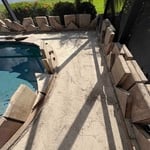
Pool paver repair
Pool paver repair

+3

Response time7 hrs
Response rate86%
3 neighbors recently requested a quote
...
Showing 1-10 of 204
Excavating questions, answered by experts

Septic drain lines (or leach lines) are typically buried between 18 and 36 inches underground, and should be at least 6 inches below the surface. These pipes are perforated and surrounded by filtering materials like sand or gravel. Burying the lines at this depth helps minimize odors and allows bacteria and other biological processes in the soil to effectively treat the wastewater. Burying lines too close to the surface can cause issues unless the soil is very compact and stable.

How deep your septic system needs to be into the ground depends on several factors. In extremely cold environments, the tank needs to rest below the maximum frost line, which can be up to six or eight feet deep. The standard burying depth for most systems is between a few inches and four feet below ground level. Depth can also depend on the slope of the landscaping and other property variables. 

The average cost for pool excavation is $2,500. This cost can range from $450 to $4,500, depending on the pool shape and size, time of year, and any need to move buried utilities. 

When excavating for your pool, you might have to move existing utilities. You can expect to pay an additional $15 to $25 per linear foot to move gas lines. To move a septic system, it’ll cost an additional $2,000 to $20,000. A pool that is 10 feet by 12 feet averages $450 to excavate, and a 20-foot-by-40-foot pool averages $3,020.

If you have a broken sprinkler pipe underground, there will be some signs you can easily spot to locate it and take action. These include leaks, water spouts, flooding, consistently damp areas on your lawn, low water pressure, and grass around the sprinkler head that’s taller and darker than anywhere else in the yard. 

If there are no obvious signs of a broken pipe, you can use tools such as water leak mics, leak noise loggers, audio devices that record leaks, and acoustic testing links. 

Broken pipes can lead to uneven watering, plant damage, and higher utility bills. The longer you wait to fix them the more the repair cost may be.

Digging a bush up by the roots is the most natural DIY method for removing a bush stump. Start by identifying the shrub type and revealing its roots. Cut the shrub to its base and loosen the soil, ensuring no utility lines are nearby. Optionally, treat the base with herbicide, then dig around the roots and cut a circle around the shrub using various tools. Dig a trench, cut the base of the root ball, and finally fill the hole to prevent regrowth. This thorough process ensures complete removal without damaging surrounding areas.

The Sarasota, FL homeowners’ guide to excavation services

From average costs to expert advice, get all the answers you need to get your job done.