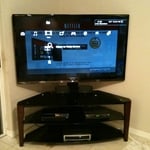
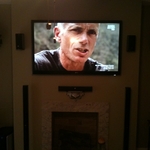
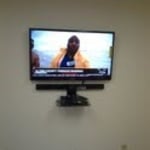
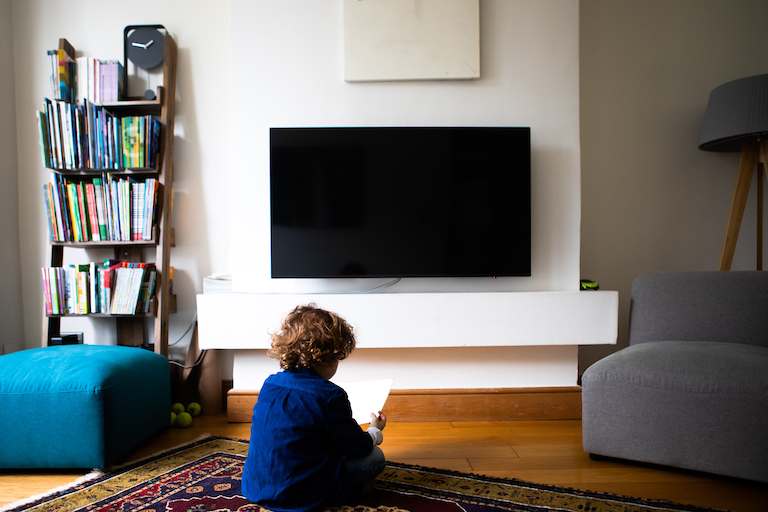
"The TV installation looks great. I didn't give it full 5 Stars because there were a few scratches on fireplace mantle after installation, but overall they were professional and I love how my TV came out!"
There aren’t any guarantees that the TV antenna you purchase and install will provide perfect reception. Much depends on your distance from broadcasting towers, any nearby obstructions, and typical weather. However, doing some research minimizes the risk of disappointment.
You can speak to neighbors to understand their setup. Various online tools allow you to check how far you are from TV transmitters in your area. The Federal Communications Commission, for example, has a tool enabling you to check local Digital TV channel reception.
Selecting the right type of antenna for your situation and having it properly positioned and installed will also increase the chances of better reception.
DIY is possible for minor adjustments, but professionals ensure proper alignment and signal strength.
Signal loss, loose mounts, cable damage, and weather-related wear often require repair.
Coax cable connects to your television, modem, or cable box. Look for a female coax connection on these devices. Your coax cable will connect to any of these. The other end of the wire runs to the service connection coming into the house.
The shorter the coaxial cable, the better. The further you run the cable, the more signal loss you'll experience. At 50 feet, you'll see significant signal loss, and by 100 feet, you'll experience at least a 30% drop in signal strength.
The Saint Augustine, FL homeowners’ guide to tv antenna installation services
From average costs to expert advice, get all the answers you need to get your job done.
Learn how to hire an antenna installer, find qualified pros, and ask the right questions to ensure your TV antenna installation is done safely and correctly.
Ready to cut the cord? Learn everything about TV antenna installation, including roof mounting costs, safety tips, and how to hire the right local pro.