


Top-rated window tinters.

Get matched with top window tinters in Miramar, FL

Enter your zip and get matched with up to 5 pros

Need a pro for your window tinting project in Miramar, FL?

Select your specific project to find the pro for you.

TRUSTED BY MIRAMAR, FL HOMEOWNERS

  • Average homeowner rating star icon4.8
    Average homeowner rating
  • Verified reviews icon163
    Verified window tinting services reviews

Find Window tinters in Miramar

Avatar for Quick Tint
Quick Tint
4.9(
20
)
Window Tinting - Apply or ReplaceWindow Tinting - Apply or Replace - For Business

Serving Miramar, FL and surrounding areas

Approved

In business since 2007

Free estimates

Credit card accepted

"Justin and his team at Quick Tint are very professional and clean. They took off their shoes prior to begin not to track dirt though my apartment. Very much appreciated. Great service at a great price. I would highly recommend them to anyone I know who needs in home or vehicles tinted."
Silver Reflective Finish
Interior
5% Ceramic
5% Ceramic Film
Response time6 hrs
22 neighbors recently requested a quote
Recommended by68%of homeowners
...
Showing 1-10 of 92
Window Tinting questions, answered by experts

Cellular shades, also known as honeycomb shades, are the most energy-efficient and insulating window treatments. Their honeycomb structure is made of soft fabric that forms layered cell pockets. These pockets trap air, creating a thermal barrier that reduces heat loss in the winter and blocks heat gain in the summer. For even greater insulation, consider double- or triple-cell varieties. Side-tracked cellular shades, which seal the edges of the window frame, can further minimize air leaks and maximize energy efficiency.

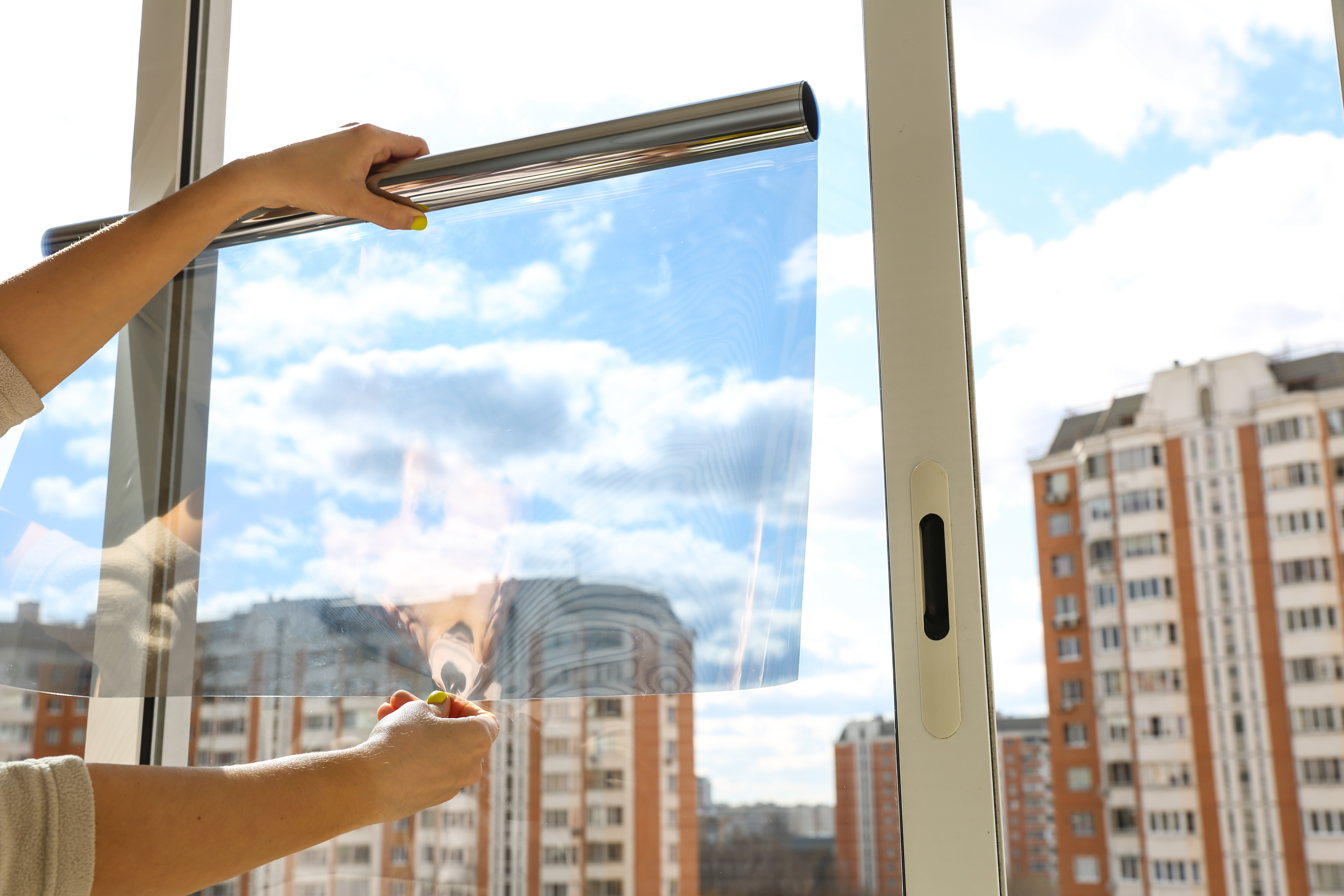
Tinted window films for houses are usually made from a micro-thin sheet of thermoplastic resin called polyethylene terephthalate (PET) that offers the strength and flexibility needed when fitting film to a window. Homeowners looking for a solution that insulates a window without blocking light from a home should investigate low-e glass vs. window film.


The ideal thickness of window film depends on various factors and specific needs. Thicker films generally offer increased durability and enhanced security benefits. They are also typically more effective at reducing heat and blocking UV rays. However, thinner options may be preferable for some applications, such as decorative or privacy films. Thinner films are easier to apply and provide adequate privacy without compromising visibility. Ultimately, the best thickness of window film will depend on your specific requirements, desired benefits, and the recommendations of professional installers.

Whether window film is better depends on individual preferences and specific needs. In some instances, window film can be much less costly to install. Aesthetics is also a deciding factor. Window film may have a more significant appeal for design minimalists looking for a clean and streamlined look without the heaviness that comes with curtains. On the flip side, they can also appeal to design maximalists looking for creative expression in the form of color, patterns, and texture. Choosing between window film and traditional window coverings depends on factors like desired functionality, aesthetics, and personal preferences.

Replacing a window frame will improve your home’s energy efficiency if the old frame is cracked or damaged in a way that allows unconditioned air from the outside into your living space or if you upgrade to a more energy-efficient window frame material. Aluminum is the least energy-efficient window frame material, followed by vinyl and wood. Fiberglass and composite frames are the most energy-efficient.

The Miramar, FL homeowners’ guide to window tinting services

From average costs to expert advice, get all the answers you need to get your job done.