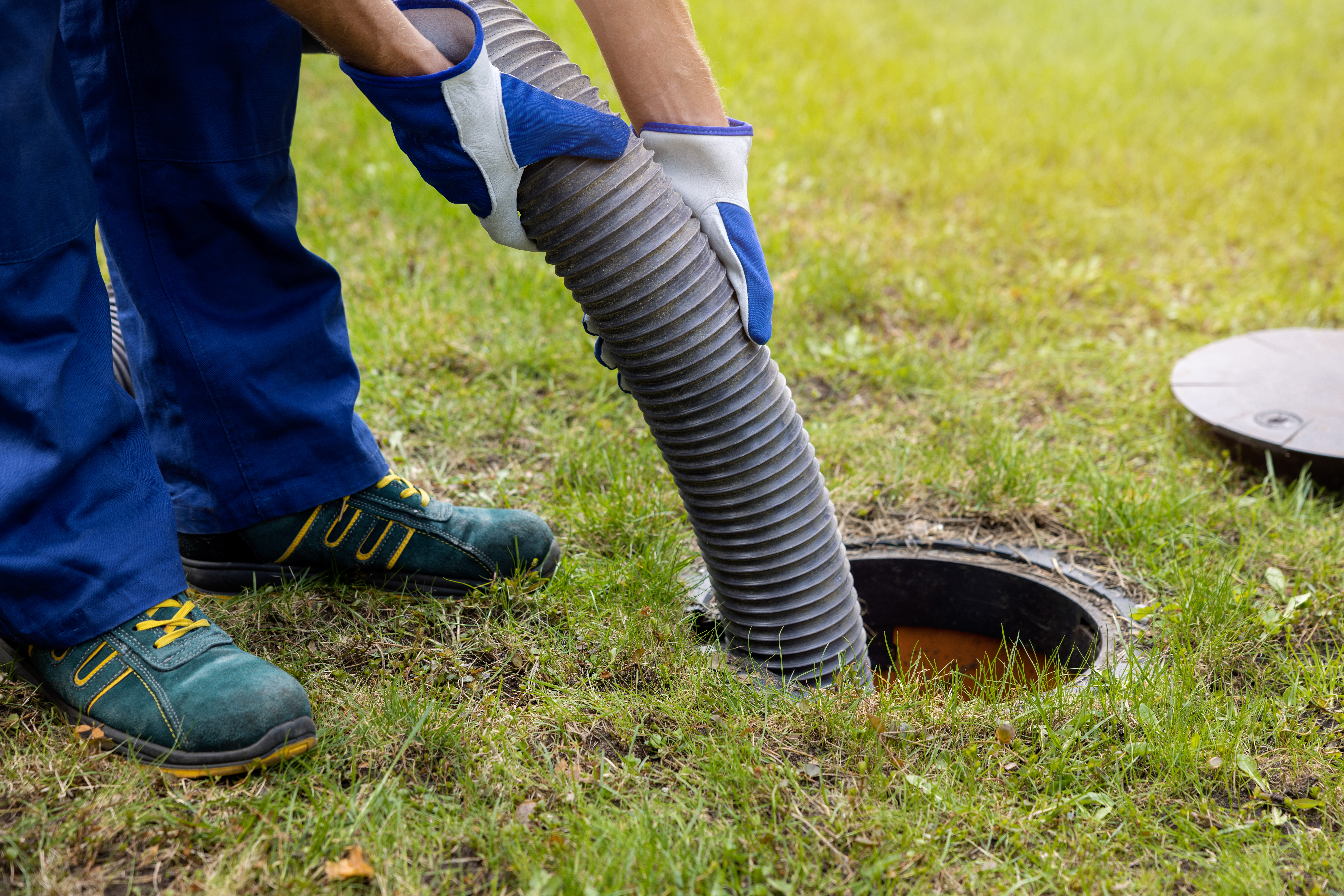






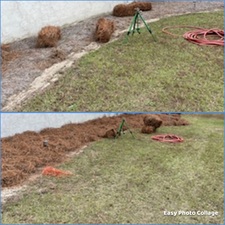
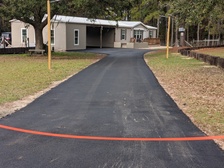
"He arrived on time. He completed job quickly and efficiently. Very informative about what was going on with my septic tank. Will be using this company again."
"Well. Only problem was delay in response time after claim was filed online. Water tank started leaking Thanksgiving morning and no reply until I called the Regional Manager."
"Takes for ever to get a return a call. Also took a week to get someone out for repairs. They said they would reimburse me for septic repairs and it took over 3 months for that to happen."
\nButler's Backhoe is committed to excellence in every aspect of our business. We uphold a standard of integrity bound by fairness, honesty and personal responsibility. Our distinction is the quality of service we bring to our customers. Accurate knowledge of our trade combined with ability is what makes us true professionals. Above all, we are watchful of our customers' interests and make their concerns the basis of our business.\n\n
M. E. Perkins Construction & Plumbing, Inc., is a fine quality building and home improvement company in the state of Florida, for all projects large and small. Our services range from beautiful custom homes, to additions and remodels, detailed to perfection. We take great pride in exceeding your expectations in quality and price, from design to completion of your project. We work with you from start to finish to ensure you are delighted with the results with professional, personalized, honest service that is always on time, and on budget!
The price you’ll pay for service from a septic tank company will depend on the specific service you need. Here are some common services, along with average pricing:
Anaerobic septic system installation: $3,000–$8,000
Aerobic septic system installation: $10,000–$20,000
Septic tank pumping: $250–$550
Percolation test: $700–$2,000
Leach field installation: $2,000–$10,000
These numbers vary based on your septic system size, property layout, and more, so the best way to get an accurate estimate is to contact a septic tank professional for a custom quote.
Most shallow residential wells are somewhere between 25 and 50 feet deep. They are among the simplest well systems. Deeper wells usually involve drilling to a much greater depth. Water wells for household use are typically 100 to 500 feet deep, depending on local groundwater conditions. Some may be up to 1,000 feet deep or more.
Neither system is necessarily better or worse than the other, but one of the two might be better for your needs. For example, anaerobic systems are less expensive than aerobic ones and don’t use power to run. On the other hand, aerobic septic systems don’t take up as much space and are typically more efficient than their anaerobic counterparts.
A cistern works by collecting rainwater from your gutters and downspouts and storing it in a holding tank. The holding tank can be installed above or below ground, and the size will depend on your household needs. The stored water can then be used for household tasks, watering your garden, and even for drinking water.
The disadvantages of having a well include more maintenance, like annual testing and inspections, and high up-front costs to drill a well. Well water is also vulnerable to contamination, which is why keeping up with testing is important if you own a well. When it comes to well water versus city water, well water does offer more independence and is a reliable water source.
The Madison, FL homeowners’ guide to septic tank services
From average costs to expert advice, get all the answers you need to get your job done.
Caring for your septic system is crucial to ensuring its long life. But how much does it cost to pump a septic tank? We explore the different cost factors.
A damaged septic system can leak odors and sewage, so repairs are urgent. Find out how much septic tank repair costs based on repair type, tank size, and more.
Septic tank risers make it easy to access your septic tank when it’s time for routine inspection, maintenance, and pumping, saving you precious time and labor costs.
Septic tank sizes vary depending on the size of your home, how many people live there, how much water you use, and more. Read on to learn how to determine the right size for you.