


Top-rated asbestos removal specialists.

Get matched with top asbestos removal specialists in Lorida, FL

Enter your zip and get matched with up to 5 pros

Need a pro for your asbestos abatement project in Lorida, FL?

Select your specific project to find the pro for you.

Find Asbestos removal specialists in Lorida

Avatar for Rebuilders
Rebuilders
4.5(
2
)
Asbestos - AbatementAsbestos - TestingAsbestos Siding - Repair

Serving Lorida, FL and surrounding areas

In business since 1993

Emergency services offered

Credit card accepted

"Judd and his team are responsive and reliable. We are very pleased with the quality of work as well as the time needed to finish the job. Their online portal and punctuality are added bonuses that separates them from other area providers. We will definitely hire them again."
Mountaineer Field-house
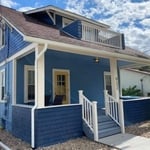
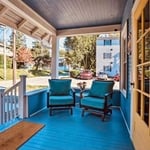
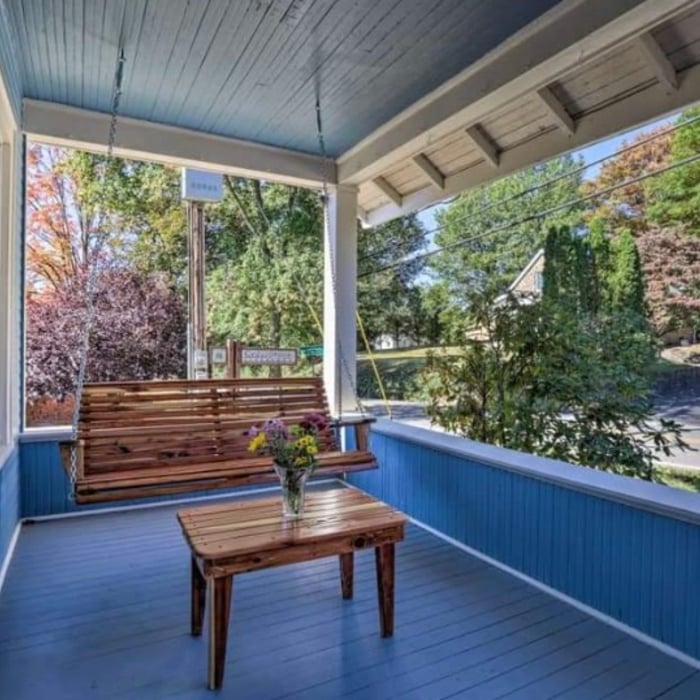
After restoration of this charming bungalow!
Mountaineer Field-house

+13

Recommended by100%of homeowners
Asbestos Removal questions, answered by experts

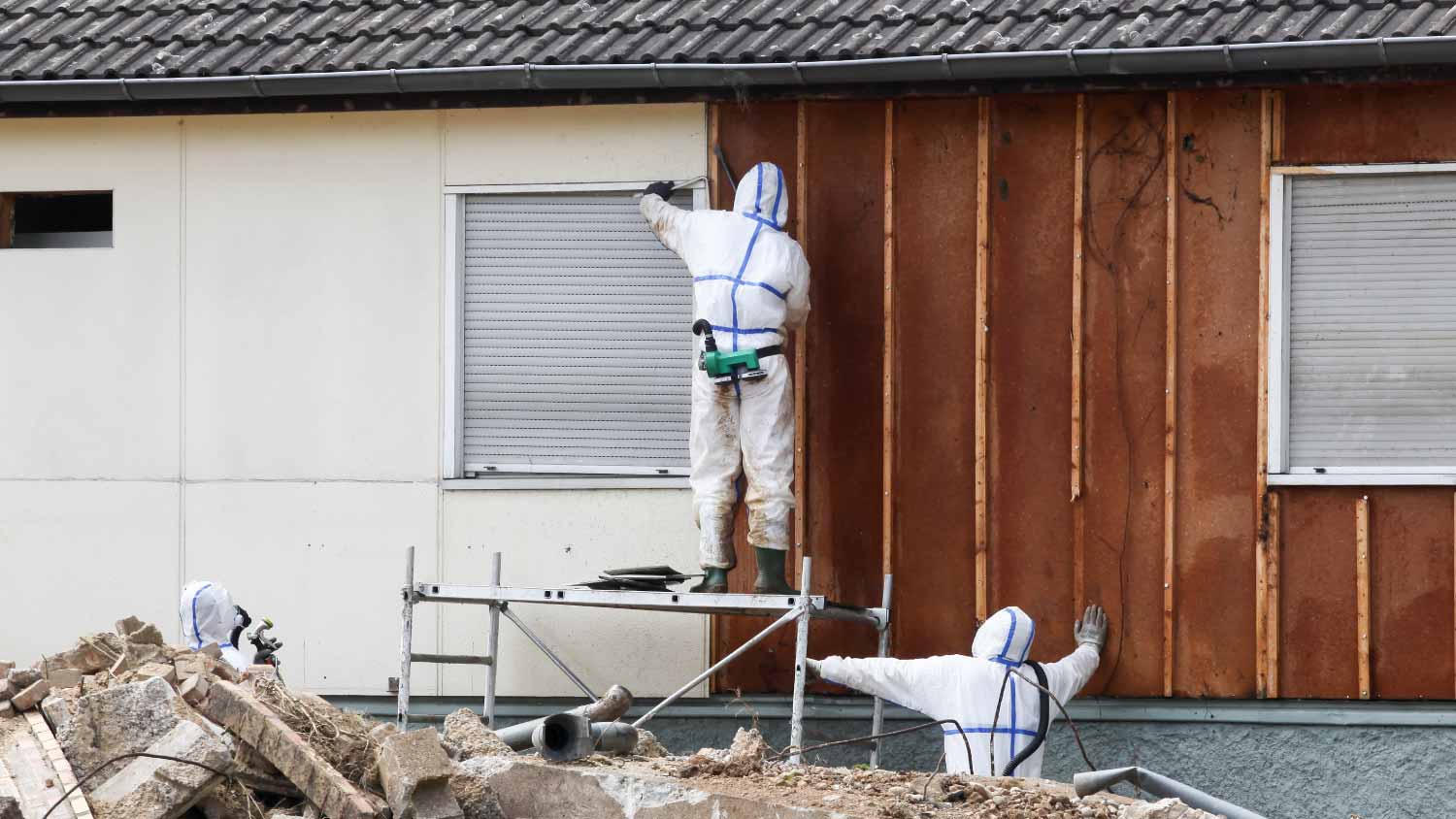
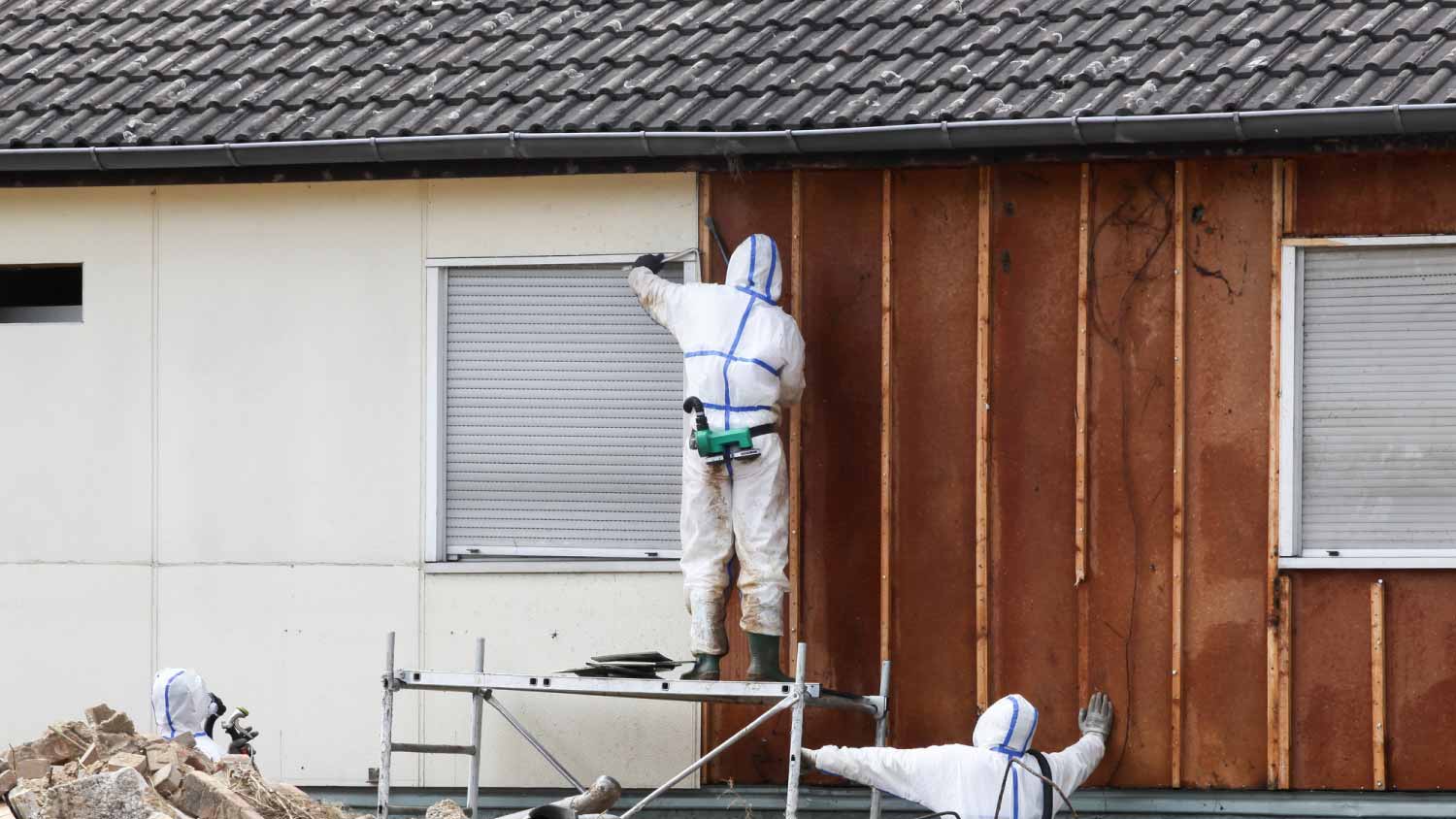
Scraping off asbestos siding is extremely dangerous. When asbestos is inert, it does not pose a risk, but once disturbed, the fibers enter the air that you breathe and can cause irreparable damage. Professionals may scrape it off, but they will have more protective equipment and specialized tools that most homeowners do not have on hand.

Older textures may contain asbestos, requiring careful handling and professional inspection before work begins to ensure safety compliance.

According to the Environmental Protection Agency (EPA), hazardous waste is generally classified into four main categories:

1. Characteristic Wastes: These exhibit at least one of four hazardous traits: ignitability (flammable, like gasoline), corrosivity (can rust or decompose materials, like car batteries), reactivity (unstable and can explode, like aerosol cans), or toxicity (harmful when ingested, like lead-based paint).

2. Listed Wastes: These are specific wastes from manufacturing and industrial processes that the EPA has officially designated as hazardous. They include byproducts from processes that use solvents, pesticides, and other chemicals.

3. Universal Wastes: These are commonly generated hazardous items that are subject to streamlined regulations. Examples include batteries, pesticides, mercury-containing equipment (e.g., bulbs), and some lamps.

4. Mixed Wastes: This category includes waste that contains both hazardous and radioactive components, making it subject to regulation by both the EPA and the Nuclear Regulatory Commission.

According to the National Cancer Institute, asbestos-related diseases can take anywhere from 10 to 40 years for symptoms to appear. The health risks increase with prolonged and heavier exposure. Risk factors also include:

  • Amount of exposure

  • Chemical makeup, size, and shape of the asbestos fibers

  • Length of time a person is exposed to asbestos

  • Genetic factors 

  • Source of exposure (direct exposure or secondhand exposure from someone directly exposed)

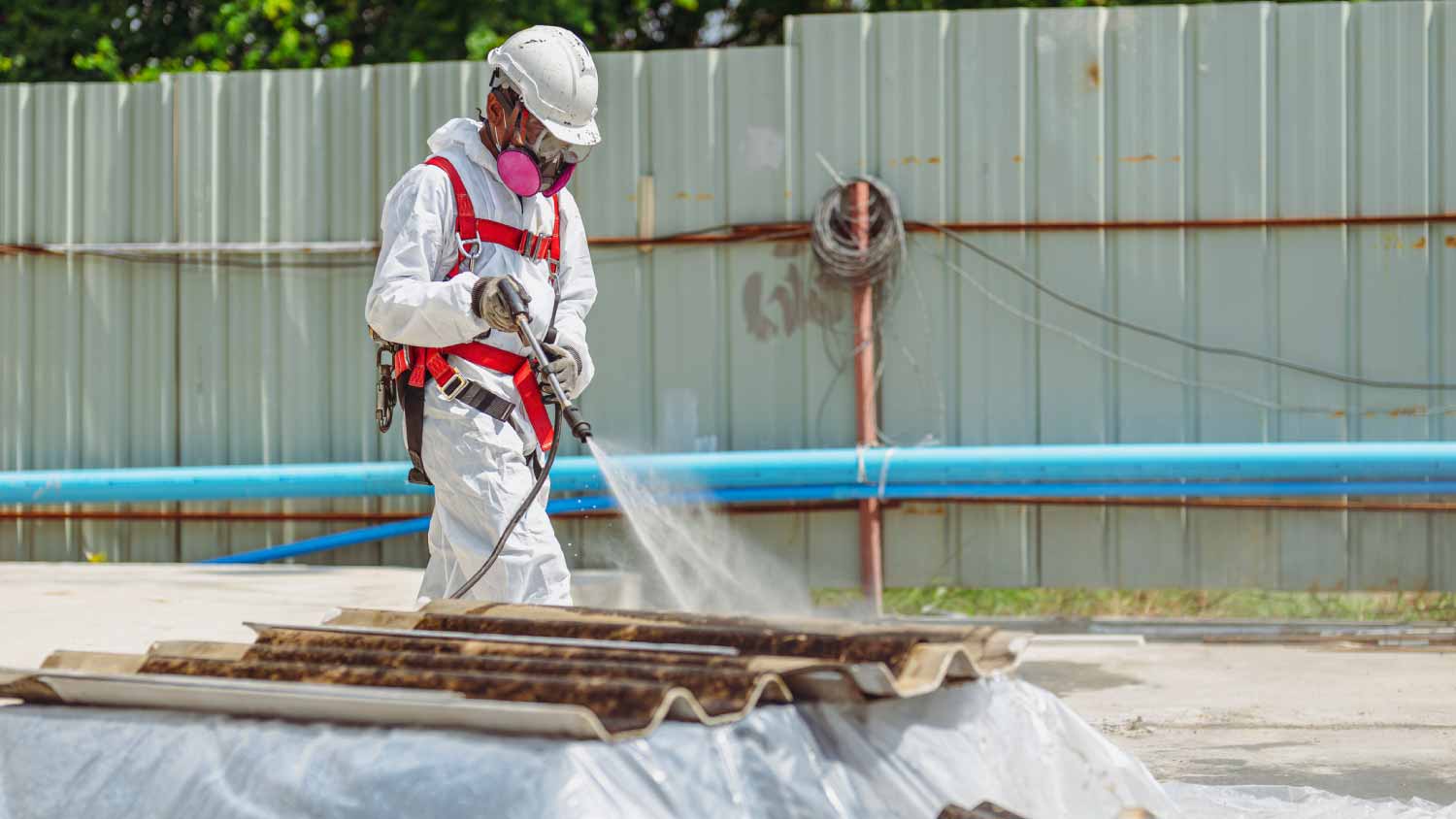
To seal off, or encapsulate, asbestos-containing materials in your home, you’ll need to utilize a sealant specifically designed for asbestos encapsulation. These sealants bind with asbestos fibers to keep them from spreading throughout the air and causing bodily harm. In many cases, these sealants can be simply painted on, but you’ll need to wear a protective body suit as well as an asbestos-rated respirator to interact with these materials safely.

The Lorida, FL homeowners’ guide to asbestos removal services

From average costs to expert advice, get all the answers you need to get your job done.