

Top-rated asbestos removal specialists.

Get matched with top asbestos removal specialists in Frostproof, FL

Enter your zip and get matched with up to 5 pros

Need a pro for your asbestos abatement project in Frostproof, FL?

Select your specific project to find the pro for you.

Find Asbestos removal specialists in Frostproof

W L Smith and Associates Consulting, Inc.
0.0(
1
)
Asbestos - Testing

Serving Frostproof, FL and surrounding areas

In business since 2009

Free estimates

Credit card accepted

W.L. Smith & Associates is dedicated to environmental improvement through identifying and evaluating environmental risks and eliminating the risk to the community. In order to identify, evaluate and eliminate environmental risks, one would require the services of environmental professionals and a team of experienced, well trained, able bodied field experts. W.L. Smith & Associates is able to meet those needs with the true spirit of professionalism and excellence.\n\n

Recommended by100%of homeowners
Asbestos Removal questions, answered by experts

According to the Environmental Protection Agency (EPA), hazardous waste is generally classified into four main categories:

1. Characteristic Wastes: These exhibit at least one of four hazardous traits: ignitability (flammable, like gasoline), corrosivity (can rust or decompose materials, like car batteries), reactivity (unstable and can explode, like aerosol cans), or toxicity (harmful when ingested, like lead-based paint).

2. Listed Wastes: These are specific wastes from manufacturing and industrial processes that the EPA has officially designated as hazardous. They include byproducts from processes that use solvents, pesticides, and other chemicals.

3. Universal Wastes: These are commonly generated hazardous items that are subject to streamlined regulations. Examples include batteries, pesticides, mercury-containing equipment (e.g., bulbs), and some lamps.

4. Mixed Wastes: This category includes waste that contains both hazardous and radioactive components, making it subject to regulation by both the EPA and the Nuclear Regulatory Commission.

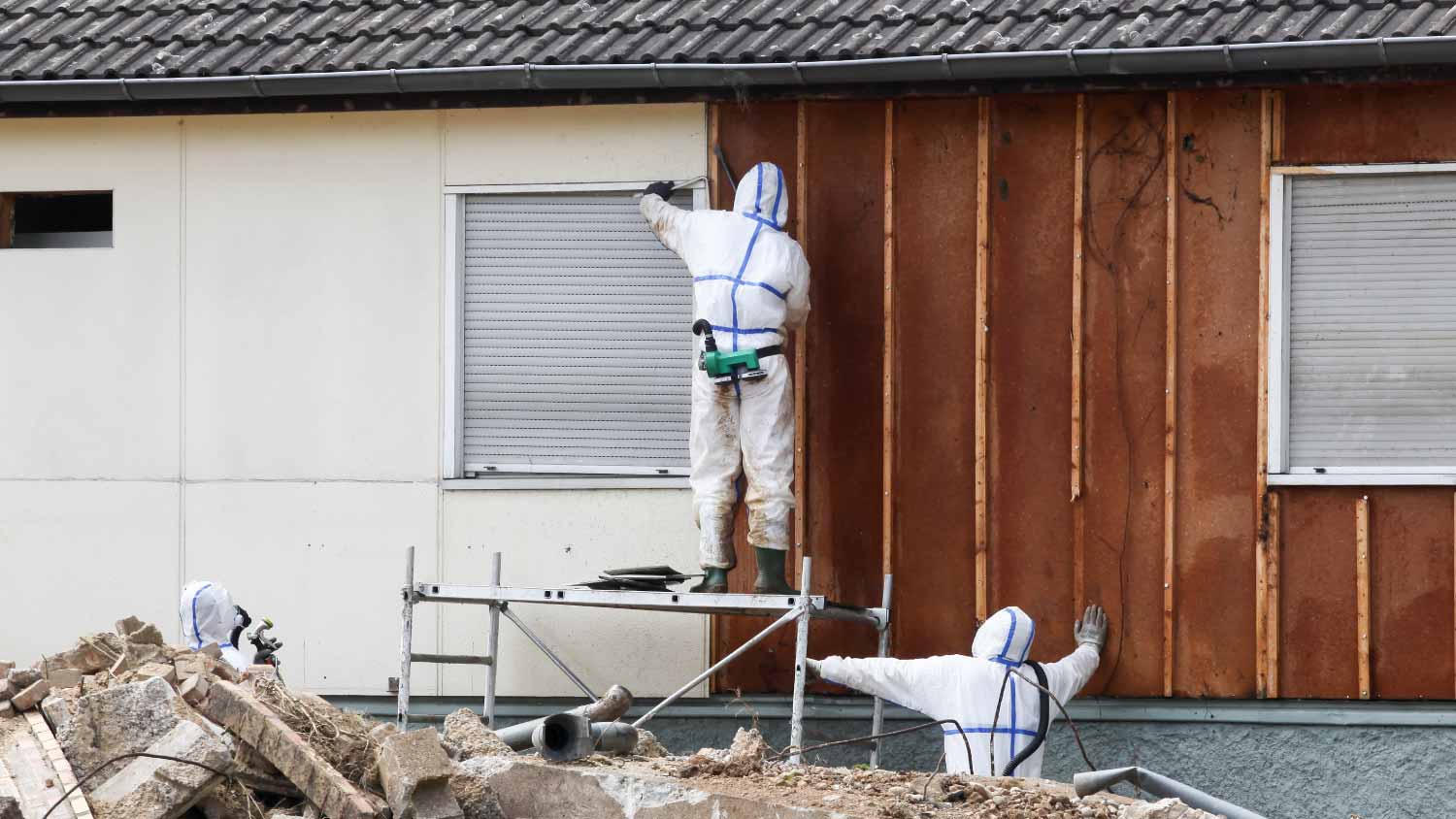
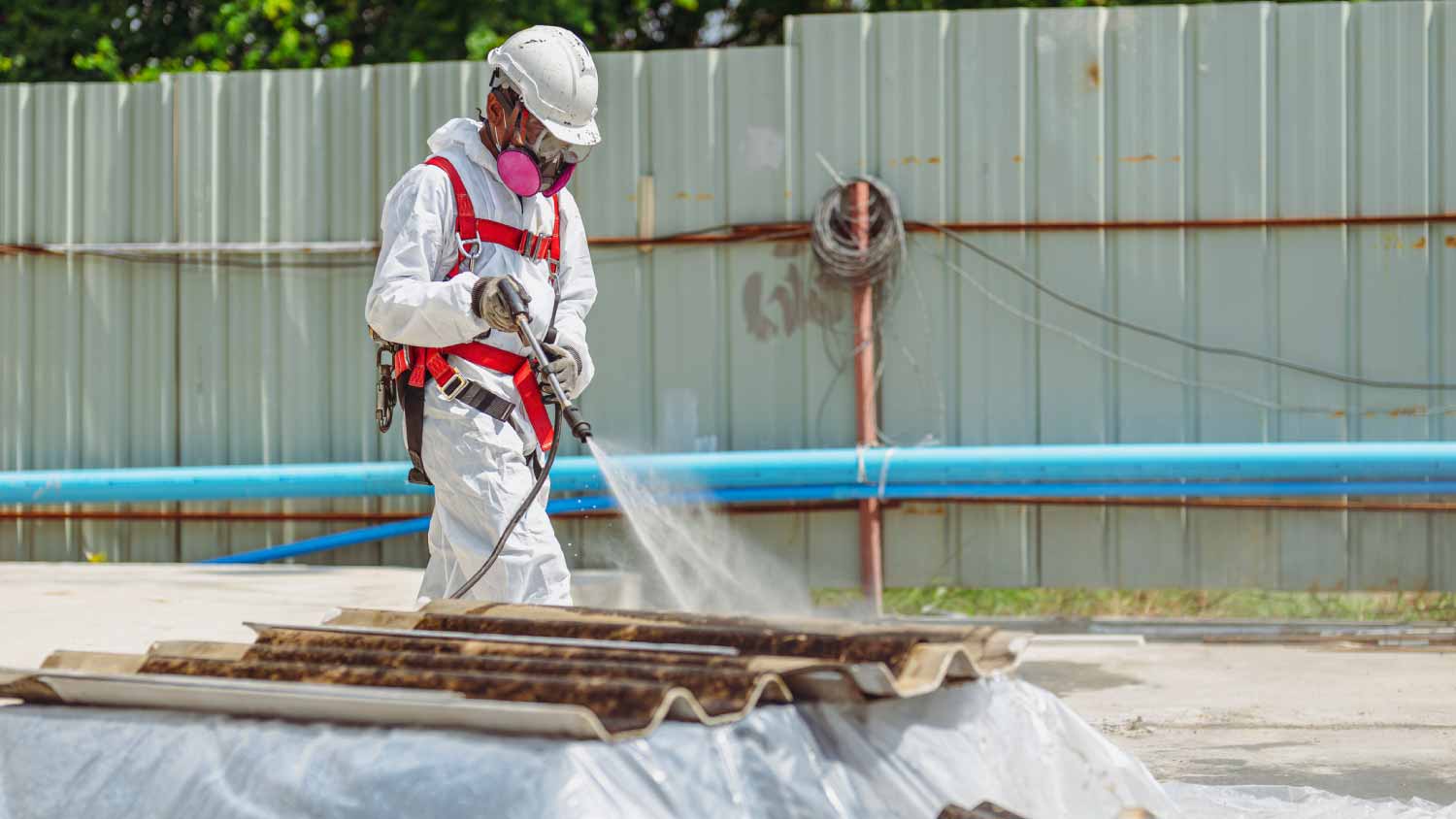
Asbestos-containing materials, like duct wrap, should be encapsulated using a sealant specifically formulated for asbestos. These sealants work to bind with asbestos fibers and help further neutralize them as a health risk. Whenever you’re working near asbestos-containing materials, be sure to keep safety as a top priority and wear a P-100-rated respirator as well as protective clothing.

Regulations require certified professionals for removals and disposal in compliance with local and federal guidelines, ensuring safety and legality.

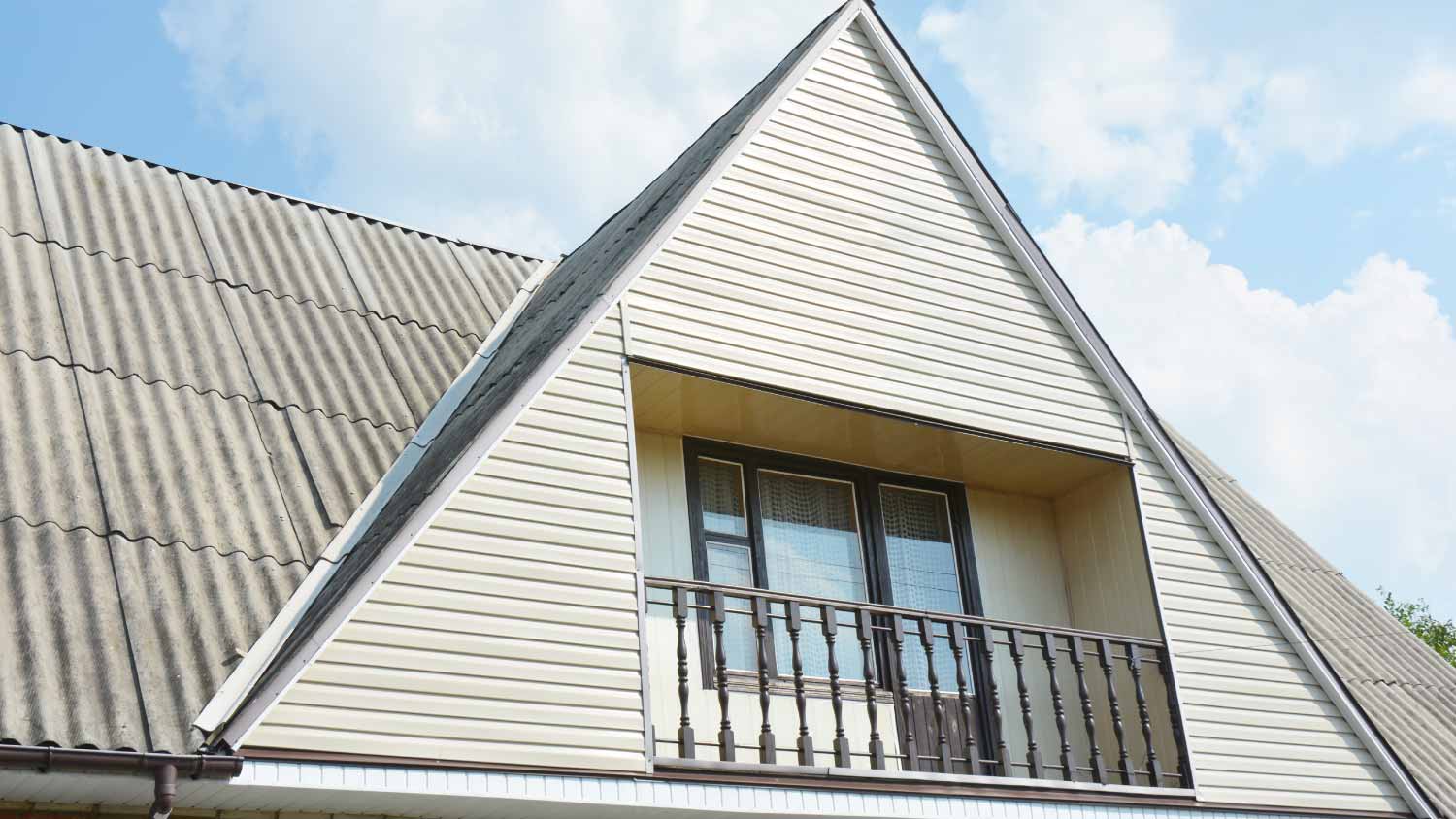
Since the EPA partially banned asbestos in 1989, it is no longer used to manufacture new siding in the United States; production had largely ceased by the early 1980s. Many other countries, such as Canada, Iceland, and Denmark, also have bans on asbestos. However, asbestos siding is still present in many homes built before the late 1980s. The only definitive way to know if your siding contains asbestos is to have it professionally lab-tested.

In the 1980s, the use of asbestos in house siding materials underwent a significant decline, ultimately being phased out by the mid-1980s to early 1990s. This change was largely due to a growing awareness of the severe health risks associated with asbestos exposure, particularly its link to lung diseases and cancers. With increased public concern and regulatory agency involvement, building codes and regulations were updated to restrict the use of asbestos in construction materials. 

The Frostproof, FL homeowners’ guide to asbestos removal services

From average costs to expert advice, get all the answers you need to get your job done.