





Top-rated structural engineers.

Get matched with top structural engineers in Fort White, FL

Enter your zip and get matched with up to 5 pros

Need a pro for your structural engineering project in Fort White, FL?

Select your specific project to find the pro for you.

Find Structural engineers in Fort White

Avatar for PJM Structural
PJM Structural
4.9(
28
)

Serving Fort White, FL and surrounding areas

Approved

In business since 2023

Free estimates

Emergency services offered

"I had an urgent request to get a permit across the line and Pedro was on his A-game and helped me within hours. Very professional, well documented, etc. Other structural engineers I hired only gave me headaches. I'd use Pedro again any day. Thank you very much, and glad to be in business with you!"
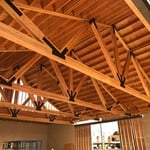
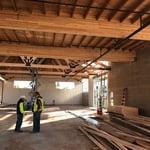
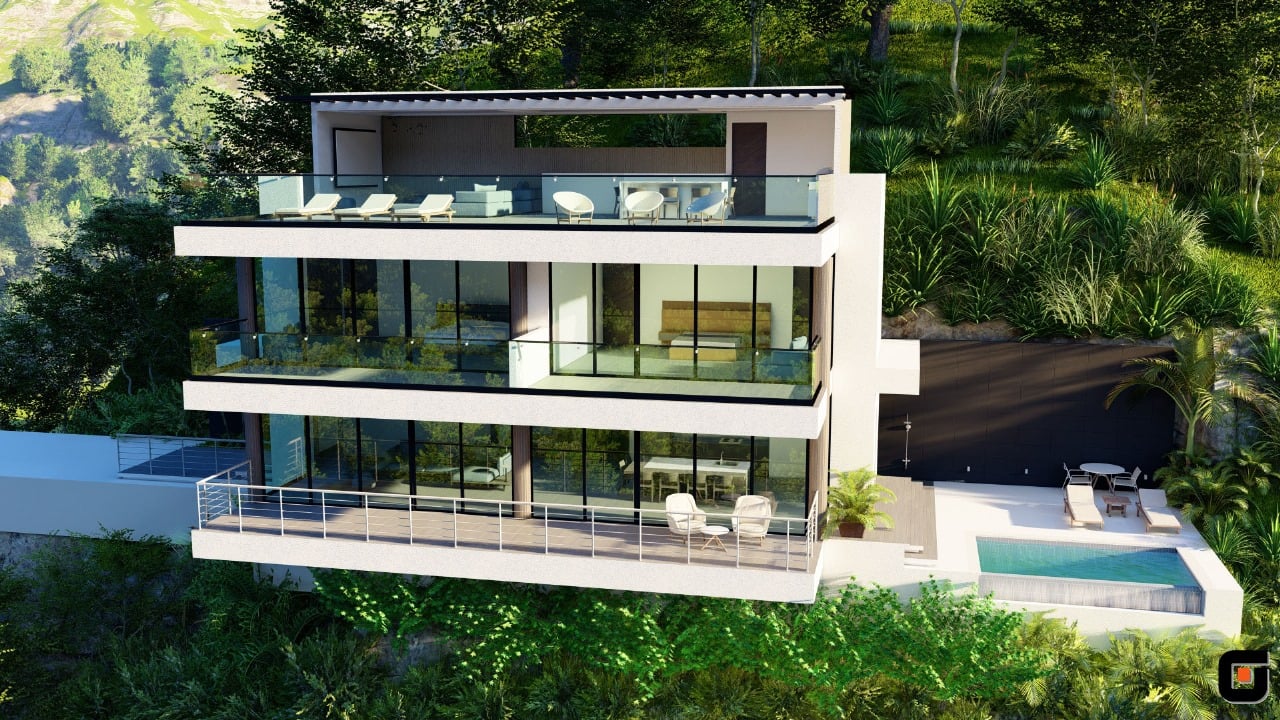
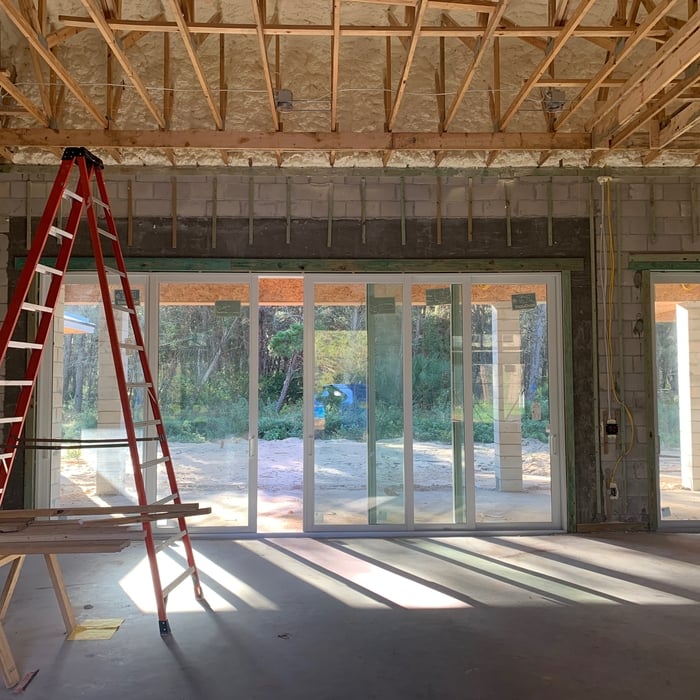
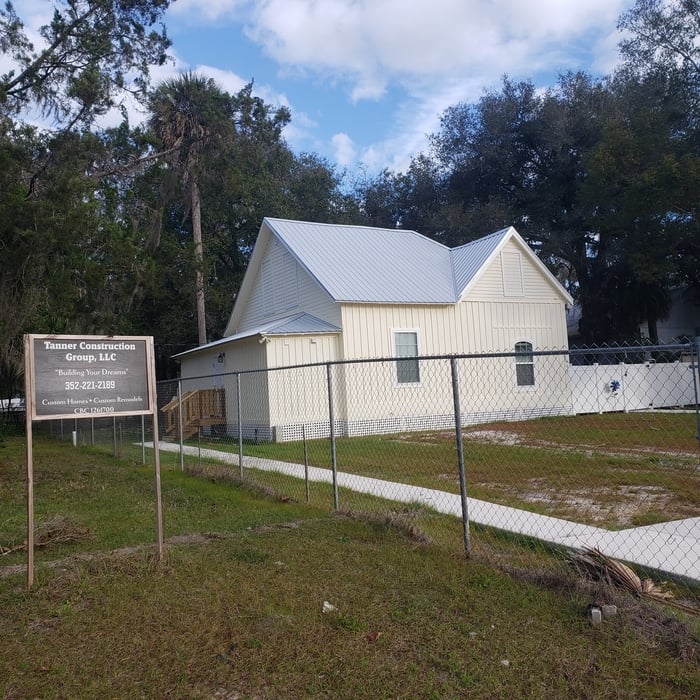
New Restaurant Building
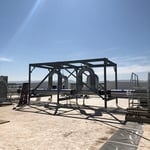
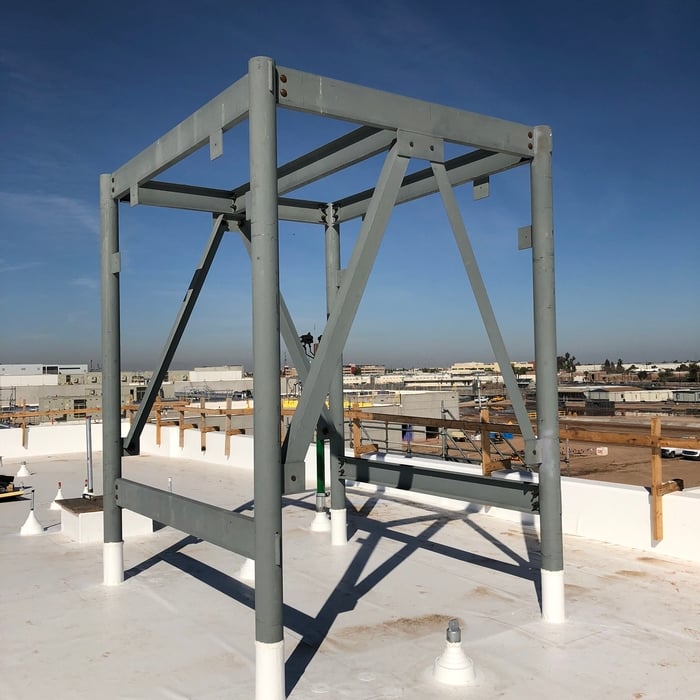
Pipe support frame
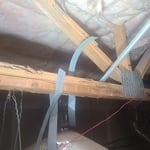
Truss webs and bottom chord damage
Interior Space
Pipe support frame

+15

Response time4 hrs
Response rate86%
Recommended by100%of homeowners
Structural Engineering questions, answered by experts

Yes, you can build over a stump if the roots are no longer alive. Living roots will continue to grow and may damage your new construction over time. Similarly, you should also remove rotting stumps because they may continue to attract pests and even cause new structures (especially those made from wood) to decompose as well.

Yes, a one-story house can have a load-bearing wall. The load-bearing walls in a single-story home are usually the exterior walls. If the house has a basement with exposed walls, the arrangement of the beams can help indicate what walls are load-bearing.

A freestanding brick wall that's only one brick thick can usually stand six to eight feet high. If you need a higher wall, it should be at least two bricks thick for adequate stability, and it might require a footing to support the added weight. Additionally, some areas have regulations and codes dictating how high a brick wall can be, so check with local code enforcers to ensure your proposed wall complies with any regulations.

The depth of any foundation style depends on your climate and how deep the frost line is, as building code requires that the footers of a foundation—which are built into a monolithic slab—sit at least a foot below the frost line. At the southern tip of Florida, for example, a monolithic slab foundation would only need to sit 12 inches under the soil at the widest parts. On some parts of the Canadian border, the frost line is 100 inches, which would mean a minimum of 112 inches, which is prohibitively deep for a monolithic slab.

Indications include cracks in walls, uneven floors, and sticking doors or windows that suggest foundation movements.

The Fort White, FL homeowners’ guide to structural engineering services

From average costs to expert advice, get all the answers you need to get your job done.

What do you need done? We’ll find top pros.
  • 🌱 "Mow a small front yard"
  • 🛠 "Fix a leaking pipe under the sink"
  • 🏠 "Repair shingles on an asphalt roof"