




Top-rated excavation pros.

Get matched with top excavation pros in Fort White, FL

Enter your zip and get matched with up to 5 pros

Need a pro for your excavation project in Fort White, FL?

Select your specific project to find the pro for you.

TRUSTED BY FORT WHITE, FL HOMEOWNERS

  • Average homeowner rating star icon4.5
    Average homeowner rating
  • Verified reviews icon21
    Verified excavation services reviews

Find Excavation pros in Fort White

Avatar for BARFIELD EXCAVATION AND SITE PREP LLC
BARFIELD EXCAVATION AND SITE PREP LLC
4.3(
4
)
Landscape - Minor Grading or ReslopingBuilding Site - Preparation and ClearingBuilding Site - Preparation and Clearing - For Business+2 more

Serving Fort White, FL and surrounding areas

Approved

In business since 2023

Free estimates

Small jobs welcome

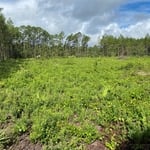
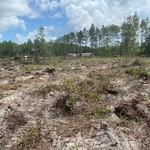
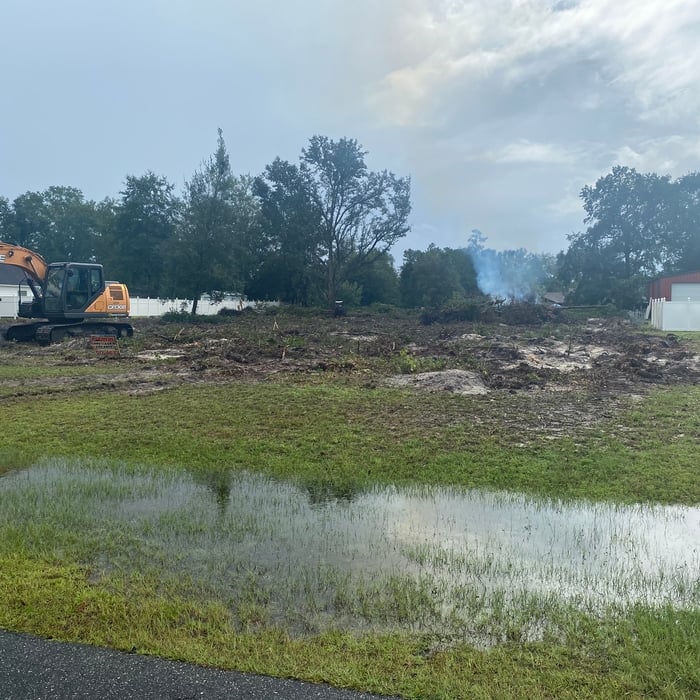
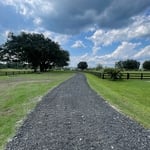
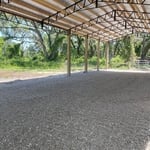
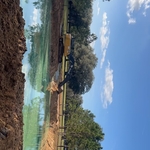
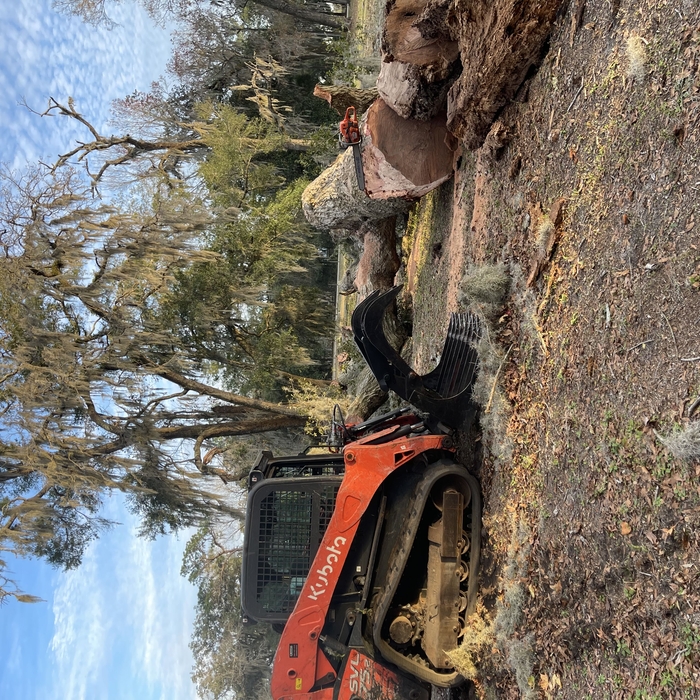
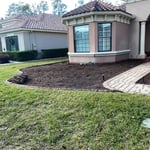
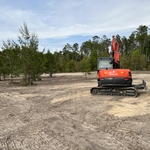
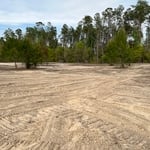
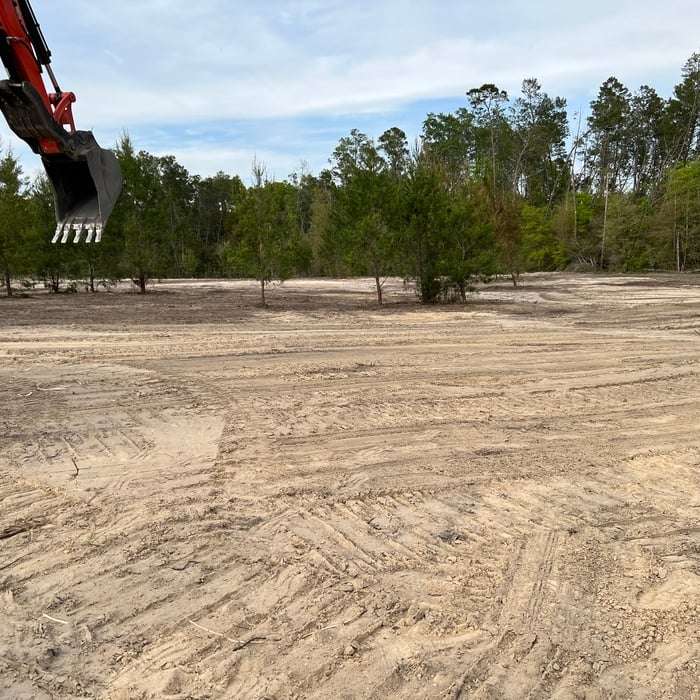
"I should have called him from the beginning! I called someone else and what a mistake. Cody came out and fixed what was messed up by this other guy. Cody burned all the massive piles that were left from land clearing and smoothed out the land that was messed up by the tracks. I will call him first because he takes pride in what he does and makes everything look amazing instead of leaving you with a mess. Cody also made us an arena for the horses! What a great guy and very responsible!"
4 neighbors recently requested a quote
...
Showing 1-10 of 96
Excavating questions, answered by experts

Septic drain lines (or leach lines) are typically buried between 18 and 36 inches underground, and should be at least 6 inches below the surface. These pipes are perforated and surrounded by filtering materials like sand or gravel. Burying the lines at this depth helps minimize odors and allows bacteria and other biological processes in the soil to effectively treat the wastewater. Burying lines too close to the surface can cause issues unless the soil is very compact and stable.

Directional drilling is complex and requires training to use the advanced machinery. It can be challenging to monitor the position of the drill since there’s no direct line of sight. Directional drilling can also be more expensive with a cost of $10 to $30 per linear foot compared to $5 to $12 per linear foot for trenching. 

There are several methods to hollow out a tree stump, and the best one depends on your tools, experience, and priorities. Common methods include using a chisel and hammer, a chainsaw, or burning.

  • Chisel and Hammer: This is often considered the easiest approach for those with limited tools or experience, though it is the most time-consuming.

  • Chainsaw: Using a chainsaw is the fastest method, but it comes with significant safety risks, especially for inexperienced users.

  • Burning: This can be an effective method, but it is not recommended unless you can first drill holes into the stump. Without holes, the stump will be difficult to light and may not burn completely through.

A power drill with at least a ⅜-inch diameter bit can make the job quicker and easier, regardless of the primary method. While you can use a chisel or chainsaw without a drill, it will require more time and effort. Always wear protective goggles and thick gloves, as splinters are an inevitable risk.
Generally, a trenchless sewer line is worth the cost. If your old system needs replacement, trenchless sewer repair or replacement can save you thousands on excavation costs. Every homeowner’s situation is different, but this method is definitely worth it in a lot of cases.

Digging out a basement takes anywhere from a few days to a few months. Most projects take at least two to five weeks, but it could take several months if you encounter obstacles. This project takes longer if you need to brace or raise your home before the excavation. Digging out a basement in new construction can take as little as three days.

The Fort White, FL homeowners’ guide to excavation services

From average costs to expert advice, get all the answers you need to get your job done.