


Top-rated radon detection and reduction specialists.

Get matched with top radon detection and reduction specialists in Cocoa Beach, FL

Enter your zip and get matched with up to 5 pros

Need a pro for your radon detection and reduction project in Cocoa Beach, FL?

Select your specific project to find the pro for you.

Find Radon detection and reduction specialists in Cocoa Beach

Avatar for Restorative Pros
Restorative Pros
4.6(
10
)

Serving Cocoa Beach, FL and surrounding areas

In business since 2011

Free estimates

Emergency services offered

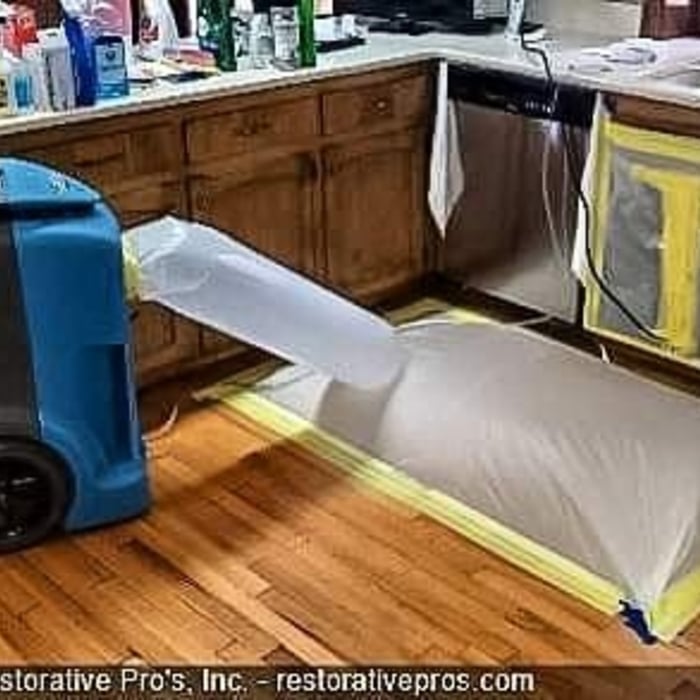
"Amazing! spoke to owner first and described my problem, he sent a tech right away who performed treatment with photos and set up a three day air filter. Work was followed up by a supervisor who tested whole house for any further signs of damp or spores, found none but did extra treatment for good measure and made excellent recommendations for future prevention. Invoice and documentation is easy all online and they accept credit cards. I'd use them again in a heartbeat..professional, courteous, knowledgeable, punctual and highly recommended !"
Additional Photos
Additional Photos
Additional Photos
Additional Photos
Additional Photos

+21

Recommended by90%of homeowners
Radon Detection and Reduction questions, answered by experts

No, air purifiers are not an effective way to reduce or remove radon. Radon is a radioactive, inert gas that cannot be filtered by standard air purifiers, which are designed to capture particulates like dust and mold. While an air purifier can improve indoor air quality by removing other pollutants, it should not be relied upon for radon. The only effective solution for high radon levels is a dedicated radon mitigation system.

No level of radon is technically safe, but since it is present everywhere, complete avoidance is impossible. The average radon level in homes across the United States is 1.3 picocuries per liter (pCi/L). The Environmental Protection Agency (EPA) recommends taking preventative measures if your home's radon levels are between 2 and 4 pCi/L or higher.

A homeowner can install a radon mitigation system on their own. But it’s a challenging DIY that requires a lot of knowledge about radon mitigation as well as familiarity with local regulations. You do not want to risk an improper installation that leaves the system unable to detect radon or gives it a shortened life span. Relying on a professional is the surest way to guarantee a successful installation.

The cost for a radon mitigation system typically ranges from $800 to $1,500, with an average around $1,000. The final price depends on several factors, including the size of your home, the severity of the radon issue, and the type of system required. Your home's foundation type also significantly impacts the cost. For example, sealing and ventilating an unfinished basement might cost around $4,600, while encapsulating a crawl space without a foundation slab can range from $1,500 to $15,000.

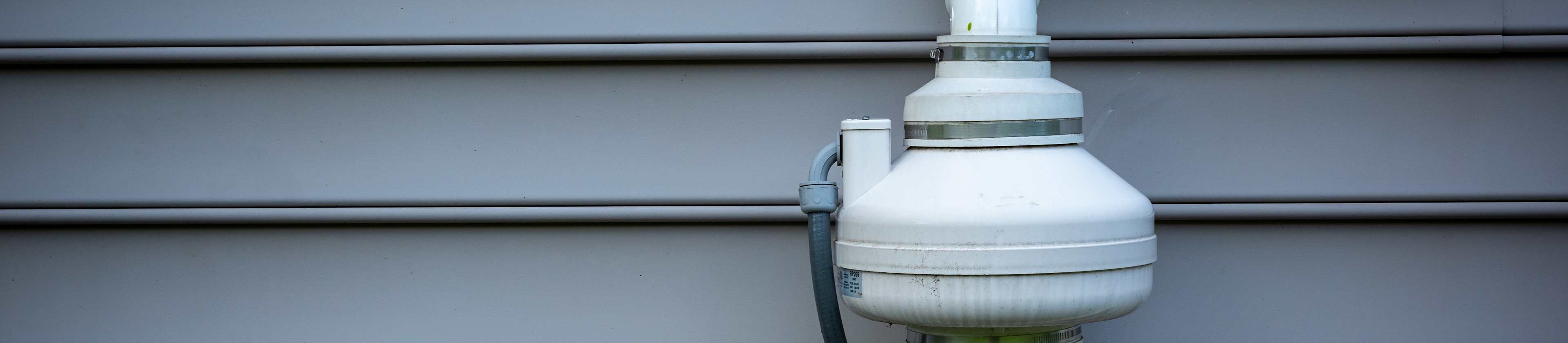
Keeping radon from getting into your home is much better than having to get rid of it once it's already indoors. While there may not be a way to fully prevent radon from getting into your home, there are things you can do to reduce the gas's ability to enter. 

Sealing foundation cracks and openings can help keep the gas from seeping inside. Improving air flow, such as by opening windows, can also be helpful. If you're building your home from scratch, talk to your contractor about using radon-resistant construction to keep the gas out.

The Cocoa Beach, FL homeowners’ guide to radon detection and reduction services

From average costs to expert advice, get all the answers you need to get your job done.